
Rated 5.0 by 100+ locals.HumanTrak: Get An Advanced Biomechanical Assessment in Rochedale
Our 3D movement camera measures how your body moves, to build a highly personalised recovery plan.
Your body is telling you something. This measures it.
Most assessments come down to a practitioner watching you squat and making a call. Ours doesn't.
At A Plus we use HumanTrak, a 3D movement camera that measures your joint angles, your balance and your left-to-right differences while you move. In a few minutes we can see the things the eye misses, and so can you.
That means we find what's actually driving your pain, and you get to watch it change.
Clear answers in a single session
Hyper personalised for better results
Get to the root cause, not the symptom
Move better, recover faster
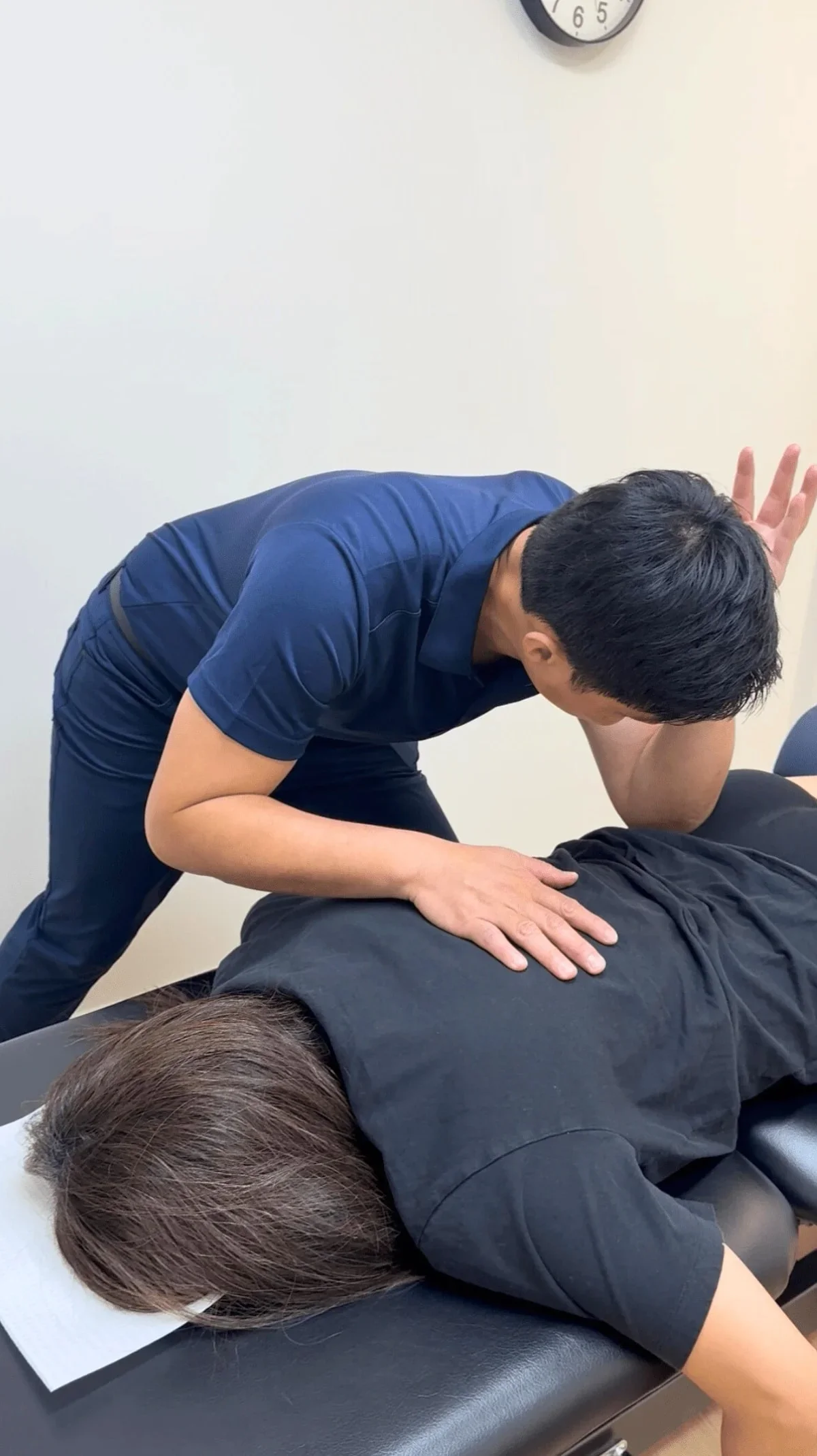
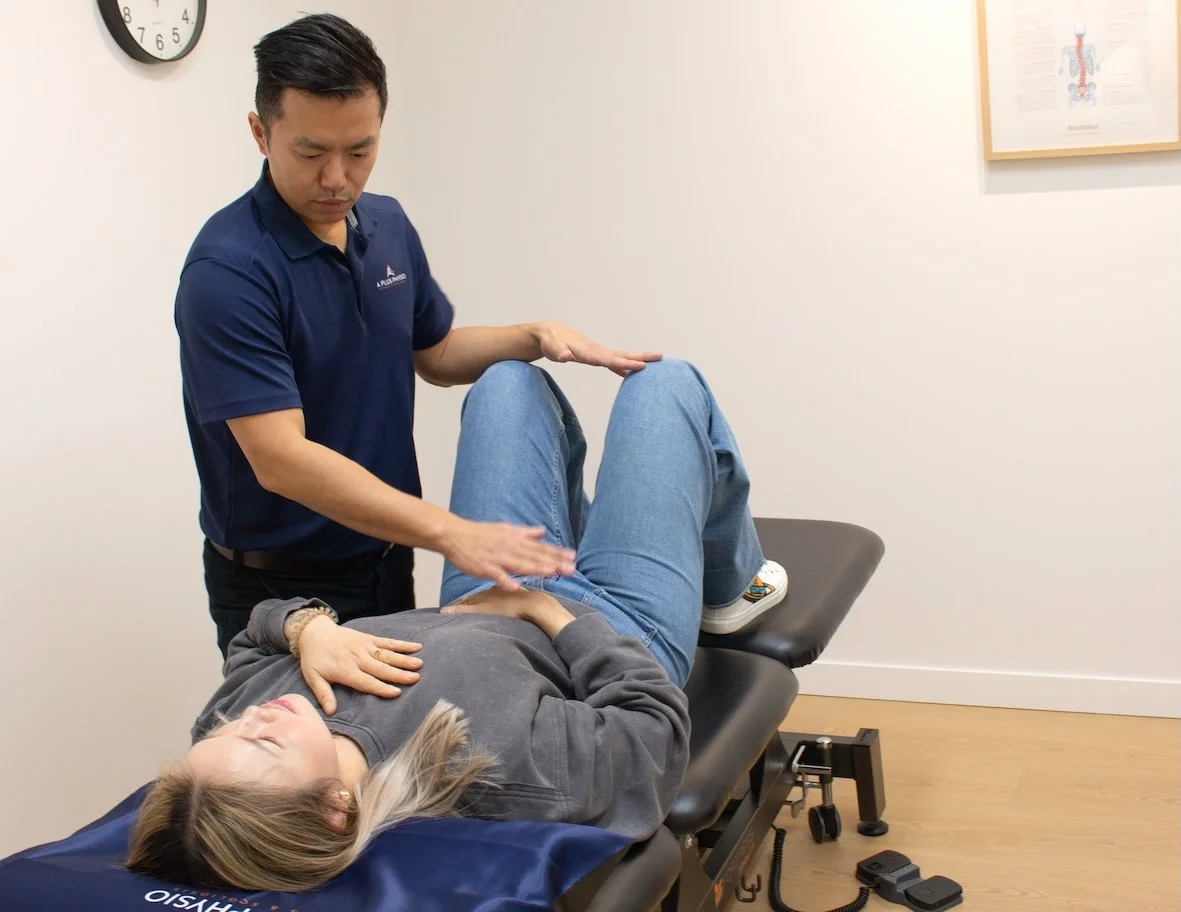
What a Biomechanical Assessment Shows Us
-
A trained eye is good, but some things are simply too small to see. A few degrees of extra knee movement, or one side quietly doing more of the work than the other.
HumanTrak measures it down to the degree, so your practitioner gets the full picture to work with.
-
Your body is clever. If a joint is stiff or sore, it borrows movement from somewhere else to get the job done.
That borrowed movement is often what keeps the pain hanging around. Because we're measuring your whole body at once, we can see where the movement is really coming from, not just where it hurts.
-
Your results come up on screen straight away, next to typical ranges for your age.
Your practitioner talks you through what they're seeing and builds your treatment around it. Same movements, same camera, same measurements, every time, so nothing rests on a hunch.
-
Progress can be slow to feel, and that's when people give up. We retest the same movements as you go, so you can see the numbers shift even before the pain does. It's the difference between hoping you're getting better and knowing you are.
-
Recovering from an injury — see when you're genuinely ready to return, not just when it stops hurting
Living with ongoing pain — find the movement pattern that keeps feeding it
Managing scoliosis — objective measurement of trunk rotation and side-to-side differences, tracked over time.
Athletes and active people — spot the asymmetries and compensations before they cost you
Over 50 and worried about balance — measure how steady you really are, and watch it improve
What happens during a biomechanical assessment
-
![]()
1. You Move
We take you through a short series of movements based on what's going on for you. A squat. A lunge. A single leg balance. A shoulder reach. Whatever is relevant to your pain or your sport.
-
![Close-up of a person receiving an acupuncture treatment with a fine needle being inserted into their skin.]()
2. We Measure
The camera builds a live 3D map of your body and records every joint angle as you go. It captures the whole picture, so if your shoulder is only reaching that high because your trunk is leaning to compensate, we see that too.
-
![A person receiving a chiropractic adjustment or massage on their upper back by a practitioner.]()
3. You See It
Your results come up on screen straight away, next to normal ranges for your age. We go through them with you, in plain English, and build your plan from what we find.
-
![Person stretching with resistance band in a gym.]()
4. We Retest
Come back in a few weeks and we run the same tests. Same setup, same camera, same numbers. You see exactly what has changed.
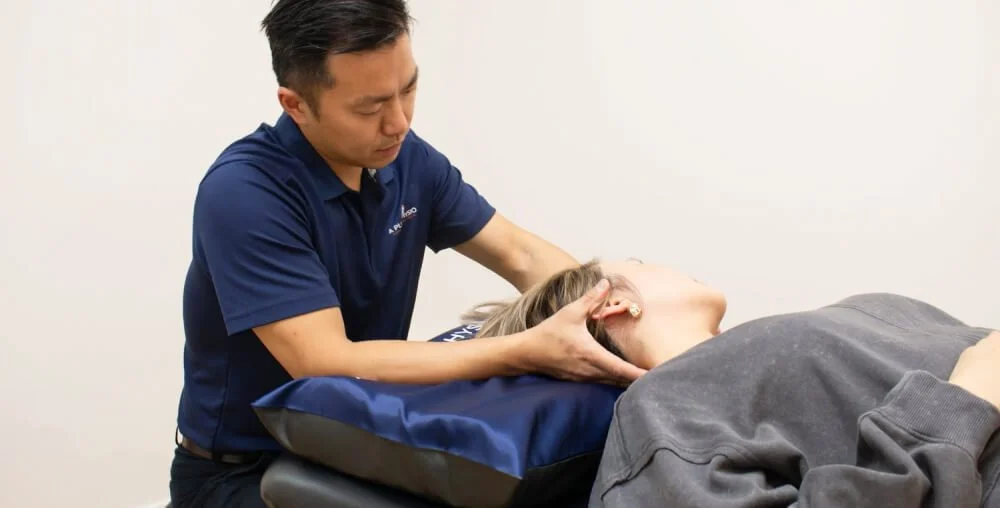
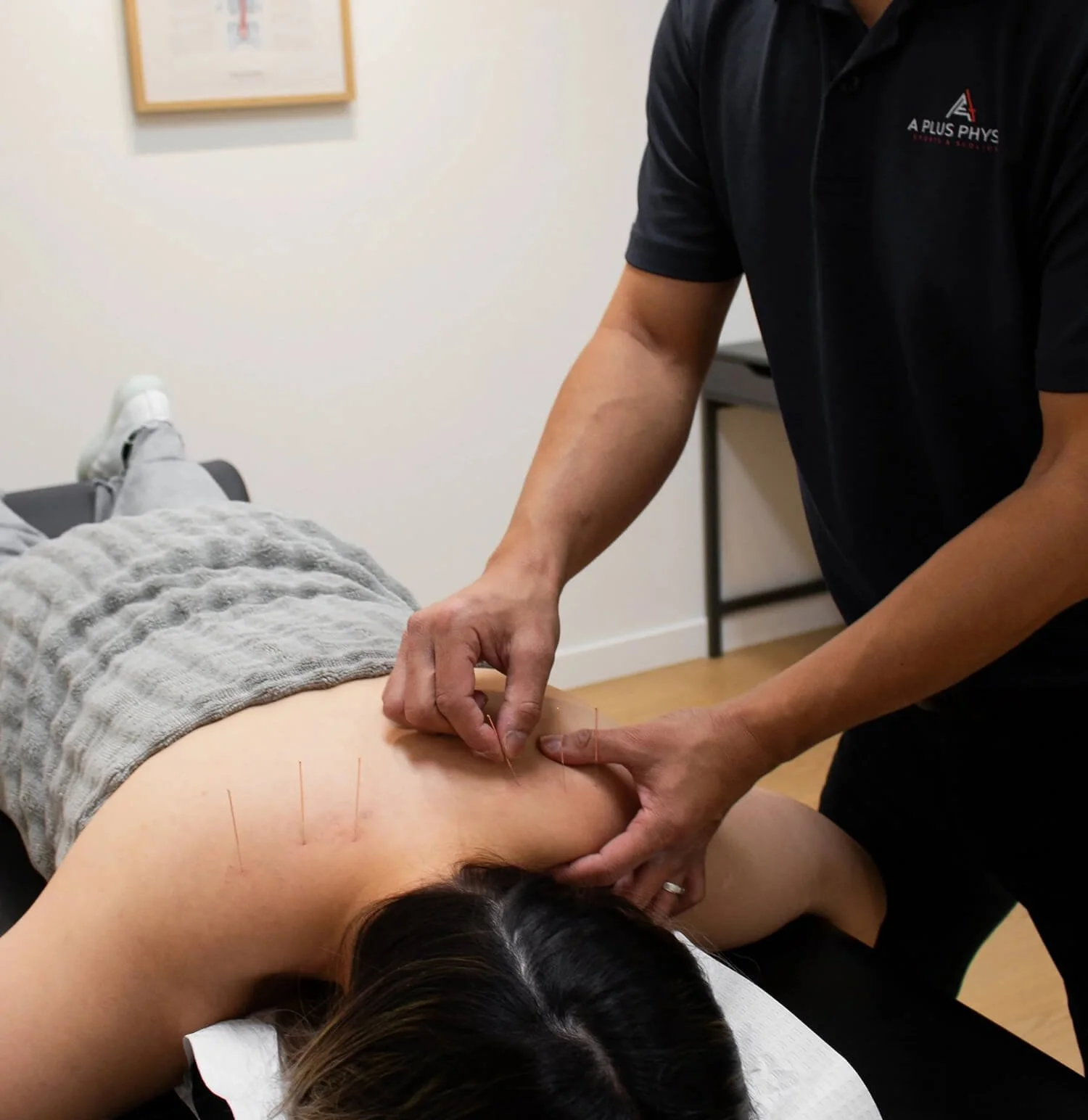
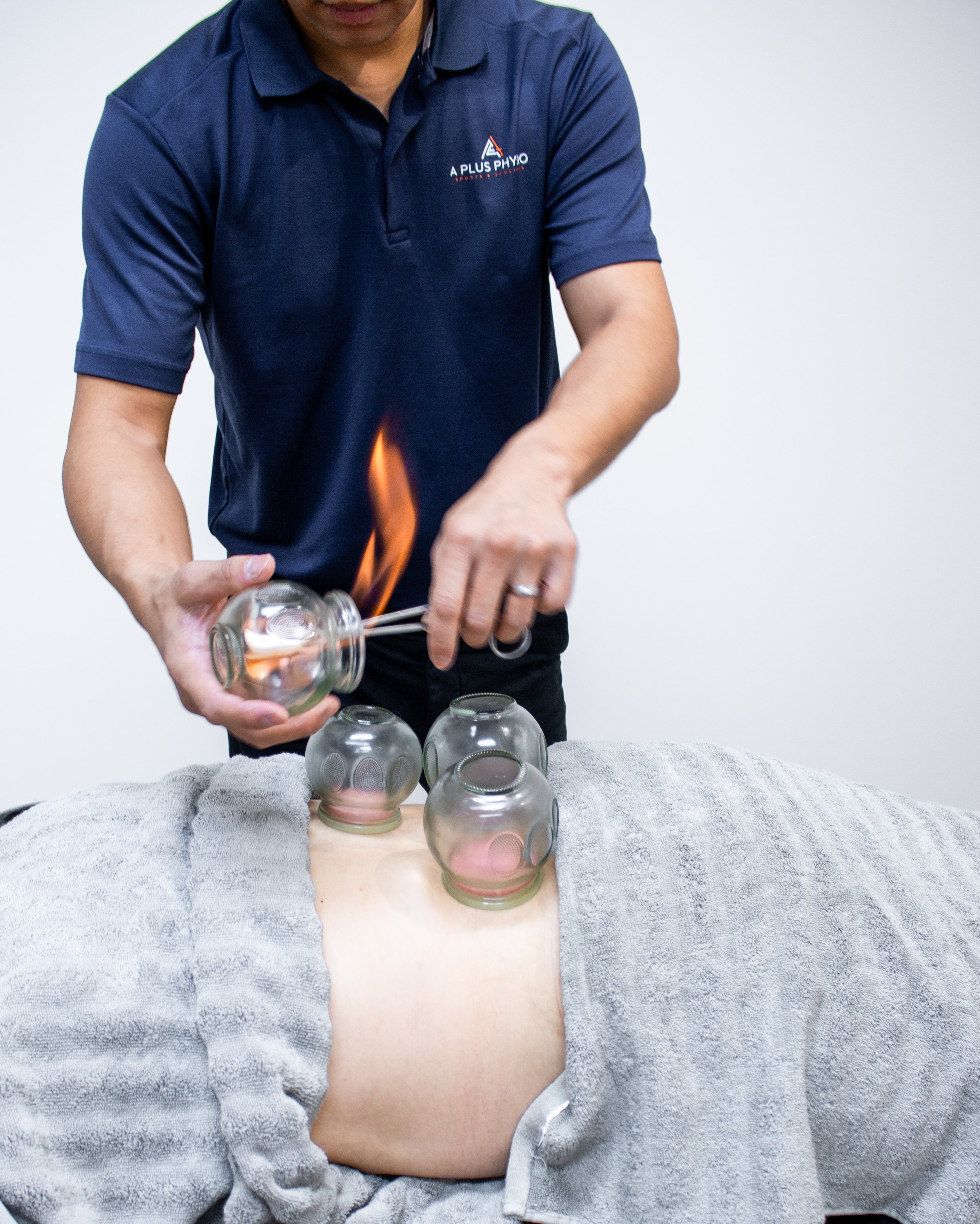
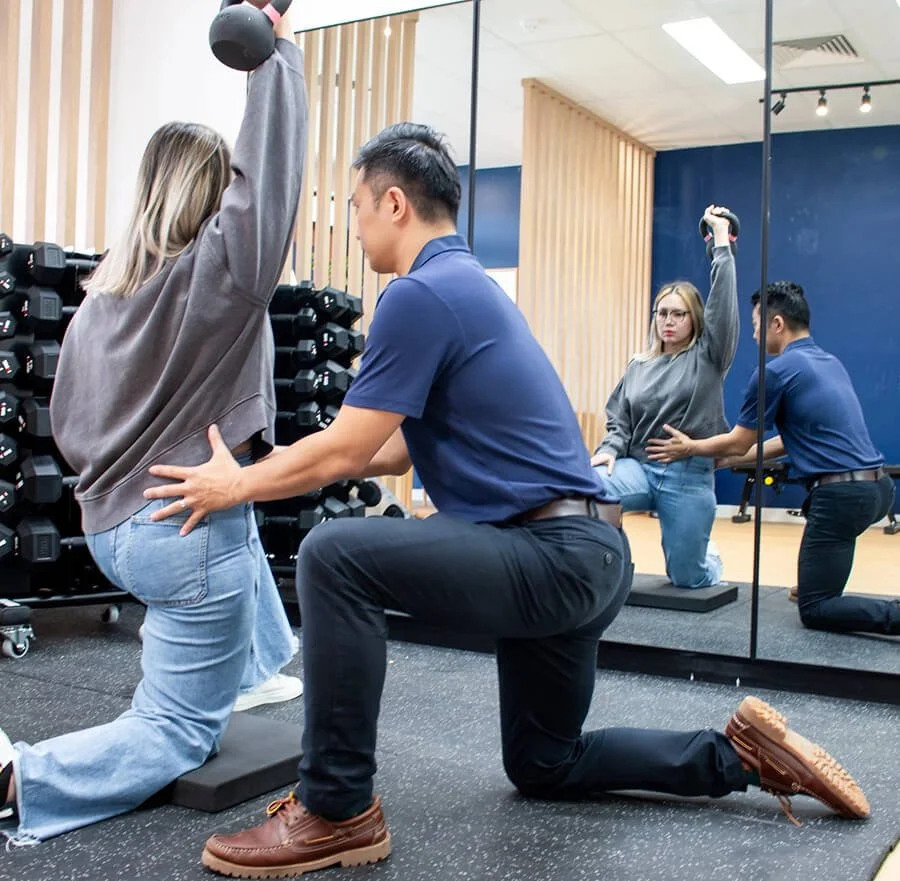
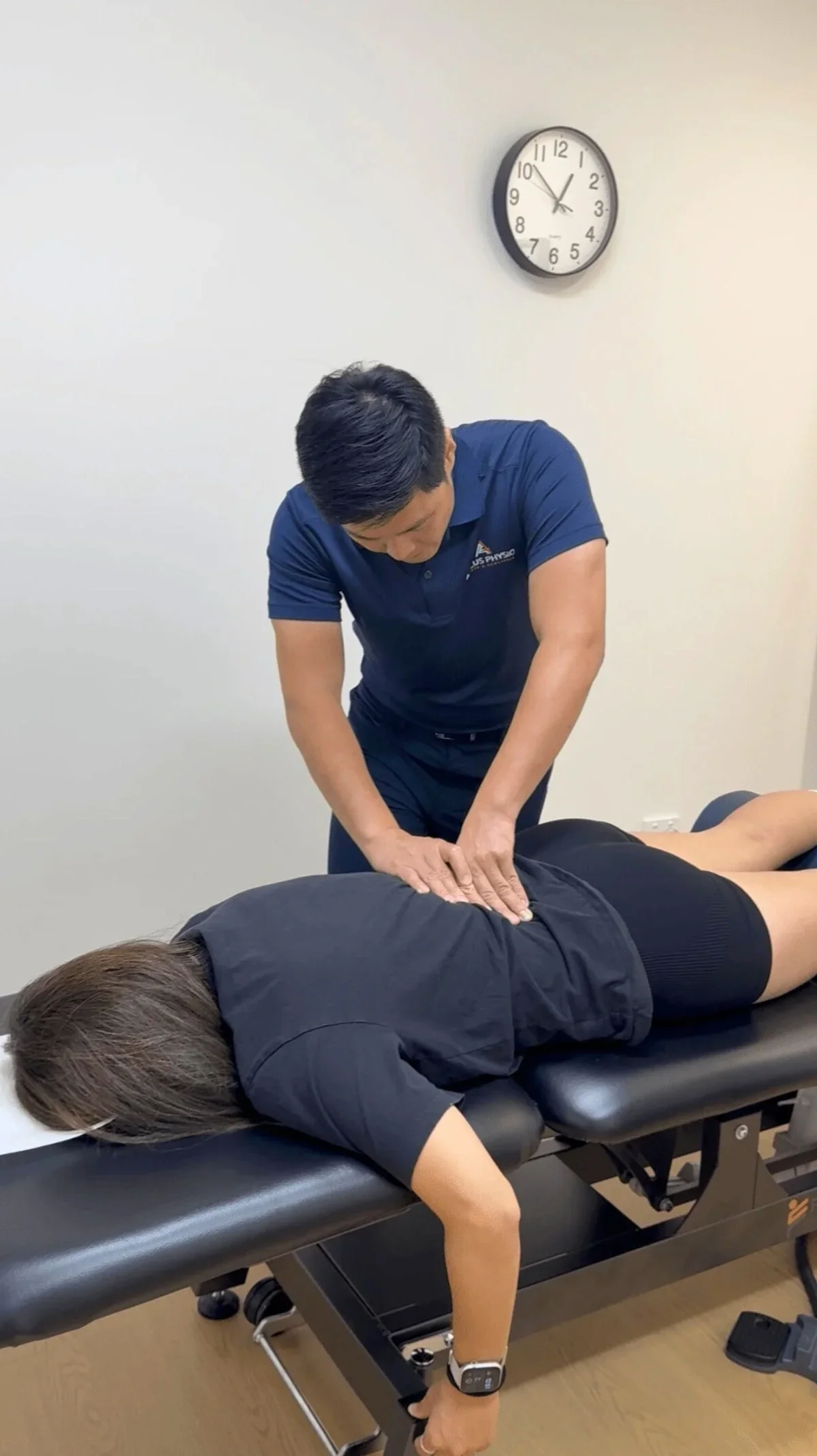
Then our experts correct what’s causing the pain.
Measuring is the easy part. What matters is what happens next.
Once we can see how you're moving, your practitioner builds a corrective exercise plan around what the numbers actually show. Not a generic sheet of exercises. Yours.
That might mean loading up a side that's been coasting, freeing up a joint that's stiff and forcing the ones around it to work overtime, or retraining a movement pattern you've been repeating for years without knowing it. Alongside hands-on treatment where it's needed.
Then we retest, and we adjust. Measure, correct, remeasure. That's the loop.
Ready to feel
your best?
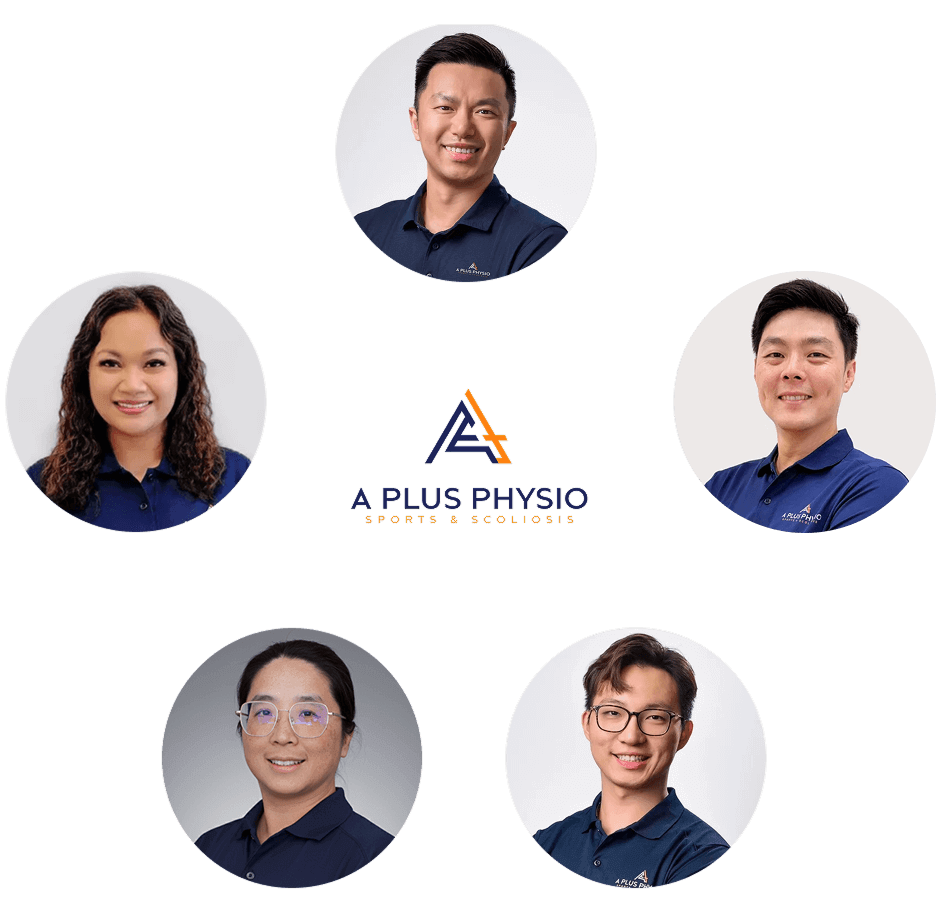
About Our Team
The camera doesn't treat anyone. Your practitioner does.
HumanTrak gives us the measurements. What matters is the person reading them, and what they do next.
Our physiotherapists and chiropractors have spent years learning how bodies move, where pain really comes from, and how to build a plan that holds up.
Because we're all under one roof at Rochedale, your results follow you. Whoever you see at our clinic are all working from the same numbers, so you're not starting from scratch every time you see someone new.
Rated 5.0 by hundreds of locals. Now with the measurements to back it up.
Biomechanical Assessment FAQ
-
No. You can book straight in. If you've been referred by your GP or a specialist, bring any imaging or reports along and we'll factor them in.
-
Close-fitting activewear. Shorts and a t-shirt are ideal. Baggy clothing can hide the body's landmarks and make the measurements less accurate, so leave the tracksuit at home.
-
No and no. There's nothing attached to you at all. HumanTrak is a camera. You just move, and it measures.
-
The movement testing itself only takes a few minutes. It sits inside your appointment, so you'll still have plenty of time for hands-on treatment and a chat about your plan.
-
It depends on what's going on for you. It might be a squat, a lunge, a single leg balance, a shoulder reach or a trunk bend. Your practitioner chooses the tests that are relevant to your pain, your sport or your goals. We'll usually do a few repetitions of each, because nobody moves identically every single time and a few reps gives us a truer picture.
-
Joint angles, how far a joint moves, how quickly it moves, and how your left and right sides compare. Because it tracks your whole body at once, it also shows us how you compensate. For example, if your shoulder appears to be reaching higher than it did last time, we can check whether that's genuine shoulder movement or whether you're leaning your trunk to get there.
-
Yes. HumanTrak uses depth-sensing technology to build a 3D map of your body, rather than guessing depth from a flat video. It's used by professional sporting teams, universities and hospitals around the world. The same measurements, taken the same way, every visit.
-
That's useful information too. It tells us the problem probably isn't a movement issue, which saves you time chasing the wrong thing and points us to what we should be looking at instead.
-
No, and be wary of anyone who says otherwise. No test can predict an injury. What it does do is give your practitioner objective information about how you move, which they combine with your history, your goals and their clinical judgement to guide your care.
-
Yes. Your results come up on screen straight away, alongside typical ranges for your age. Your practitioner will walk you through exactly what they mean in plain English.
-
Not at all. We use it for people recovering from injury, people managing long-term pain, people with scoliosis, older adults working on balance, and yes, athletes returning to sport. If you move, we can measure it.
-
Your appointment is claimable under your usual physiotherapy or chiropractic extras, subject to your level of cover. The movement testing is part of your consult, not an added extra.