
Western Cupping Therapy
What is cupping therapy?
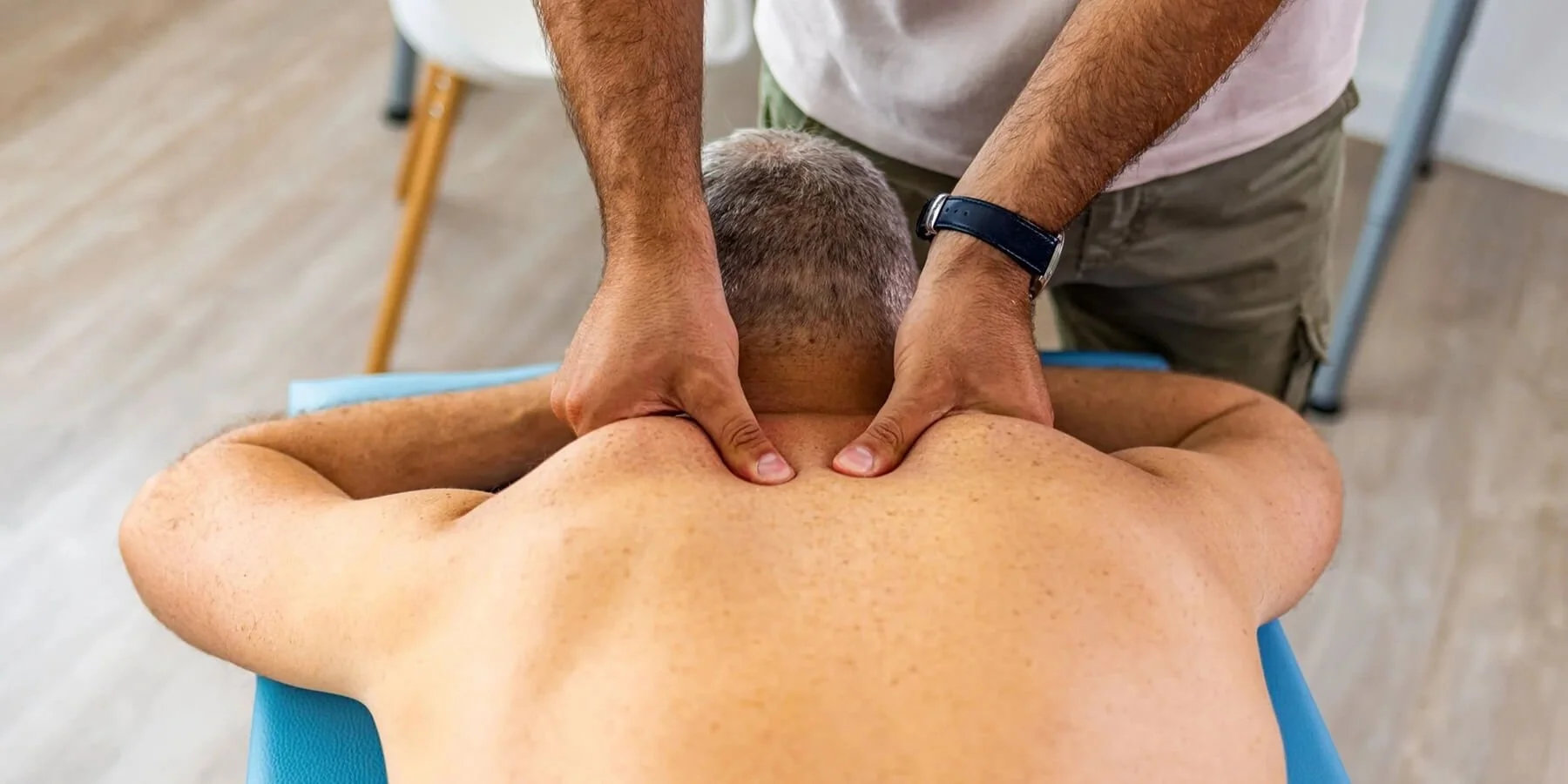
Cupping therapy uses heated cups to generate suction on the skin. This gentle lifting effect helps decompress the tissue underneath, which may reduce muscle tension, improve circulation, and address areas of tightness that can contribute to pain or restricted movement.
In Western cupping therapy, practitioners apply the cups for a short period to encourage blood flow to the treated area. This increased circulation can help reduce inflammation, support tissue recovery, and improve mobility in muscles that feel stiff or overworked.
We often use cupping therapy as part of a broader treatment approach. Depending on your condition and goals, it may be combined with hands-on therapy, joint mobilisation, dry needling, or exercise rehabilitation to support recovery and help restore normal movement.
What are the benefits?
Pain relief: Helps reduce muscle tension and ongoing tightness in affected areas.
Improved movement: Supports flexibility and joint range of motion by loosening restricted soft tissue.
Faster recovery: Encourages circulation and supports healing from sports injuries and overuse conditions.
Reduced muscle stiffness: Helps ease tightness commonly experienced in the neck, shoulders, and back.
Improved circulation: Promotes blood flow to irritated or injured muscle tissue.
Targeted treatment: Allows practitioners to focus on the muscles contributing to your discomfort.
Cupping Therapy Brisbane FAQ
-
A cupping session typically lasts between 10 and 20 minutes, depending on the area being treated and the treatment plan.
The cups may remain in place for several minutes or be gently moved across the skin to address larger muscle groups. During a cupping treatment, techniques such as dry cupping or cupping massage may be used to target tight muscles, improve blood circulation, and support recovery in the surrounding connective tissue.
-
Yes. Many active individuals and athletes use cupping therapy to support recovery after training or competition.
By improving blood circulation and reducing tight muscles and muscle pain, this form of cupping treatment may help the body recover more efficiently after a sports injury or intense physical activity.
-
It is common for cupping therapy to leave temporary circular cupping marks where the cups were applied. These marks occur due to increased blood flow and blood circulation in the treated area and usually fade within a few days.
The appearance and duration of the marks can vary depending on the individual, the treatment intensity, and the type of cupping session performed.
-
The frequency of cupping therapy depends on your condition, symptoms, and treatment goals.
Some people benefit from occasional sessions for maintenance or recovery, while others may use cupping more regularly as part of a structured rehabilitation plan.
For individuals managing chronic pain, muscle pain, or tight muscles, a practitioner may recommend ongoing cupping treatment as part of a broader care plan.
-
Some people notice improvements in muscle tension and movement immediately after treatment, while others experience gradual changes over the following days.
Results can vary depending on the condition being treated and how your body responds to the therapy.
Many people seek cupping therapy for issues such as neck pain, chronic pain, or persistent muscle pain, and improvements may develop as blood circulation and connective tissue mobility improve.
-
Cupping therapy has been practised for centuries, particularly in regions such as China and the Middle East. Traditional cupping techniques are often associated with traditional chinese medicine, including approaches such as chinese cupping therapy, where methods such as heat-based cupping or wet cupping were historically used to support overall health.
Western cupping therapy adapts these principles into a modern clinical setting. Practitioners typically use techniques such as dry cupping, myofascial cupping therapy, or cupping massage to support musculoskeletal care, focusing on improving blood circulation, releasing tight muscles, and helping the body recover from physical strain or injury.
-
Yes. Cupping therapy is often used as part of a broader treatment approach rather than a standalone therapy.
Depending on your condition and treatment goals, your practitioner may combine cupping with techniques such as hands-on therapy, joint mobilisation, dry needling, or exercise rehabilitation to support recovery and improve movement.
This integrated approach helps address muscle pain, connective tissue restriction, and mobility issues that may contribute to ongoing discomfort.
-
Yes. Our team follows evidence-based standards aligned with the Australian physiotherapy association, ensuring high-quality, ethical, and effective care for every patient.
Our practitioners regularly provide cupping treatment for a wide range of clients, including active individuals, people recovering from sports injury, and those requiring supportive care in environments such as aged care.