Dry Needling Brisbane
What is dry needling?
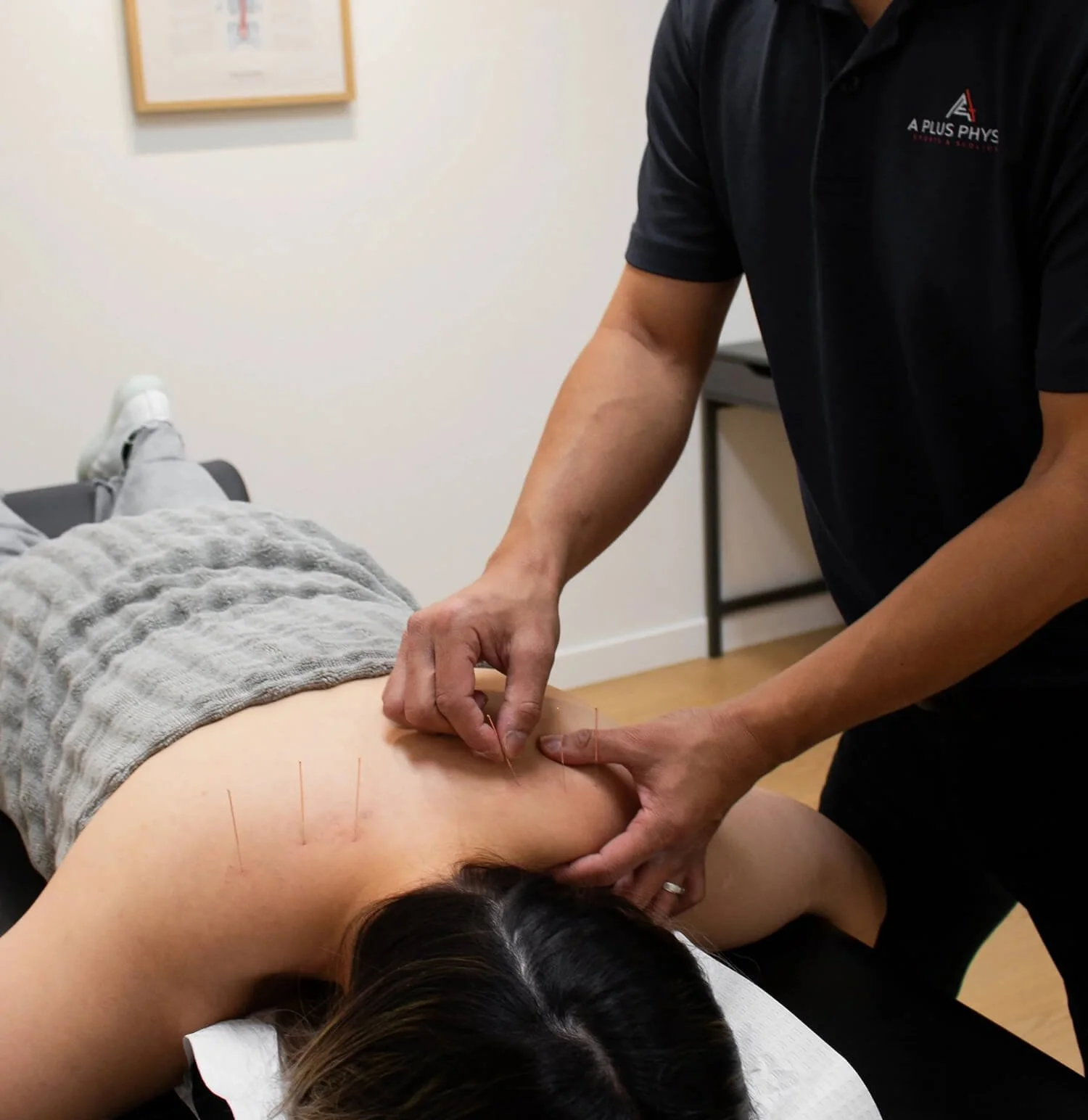
Myofascial dry needling is a targeted treatment technique that uses thin needles inserted into muscle knots and sensitive muscle tissue. This dry needling treatment focuses on trigger point dry needling to release tension, improve circulation, and relieve neck pain, referred pain and other myofascial pain.
In a physiotherapy setting, this needling technique helps address musculoskeletal pain caused by muscle overload, poor movement, or repetitive strain. By stimulating trigger points, dry needling work can reduce nerve pain, improve muscle function, and support recovery from chronic pain or tightness.
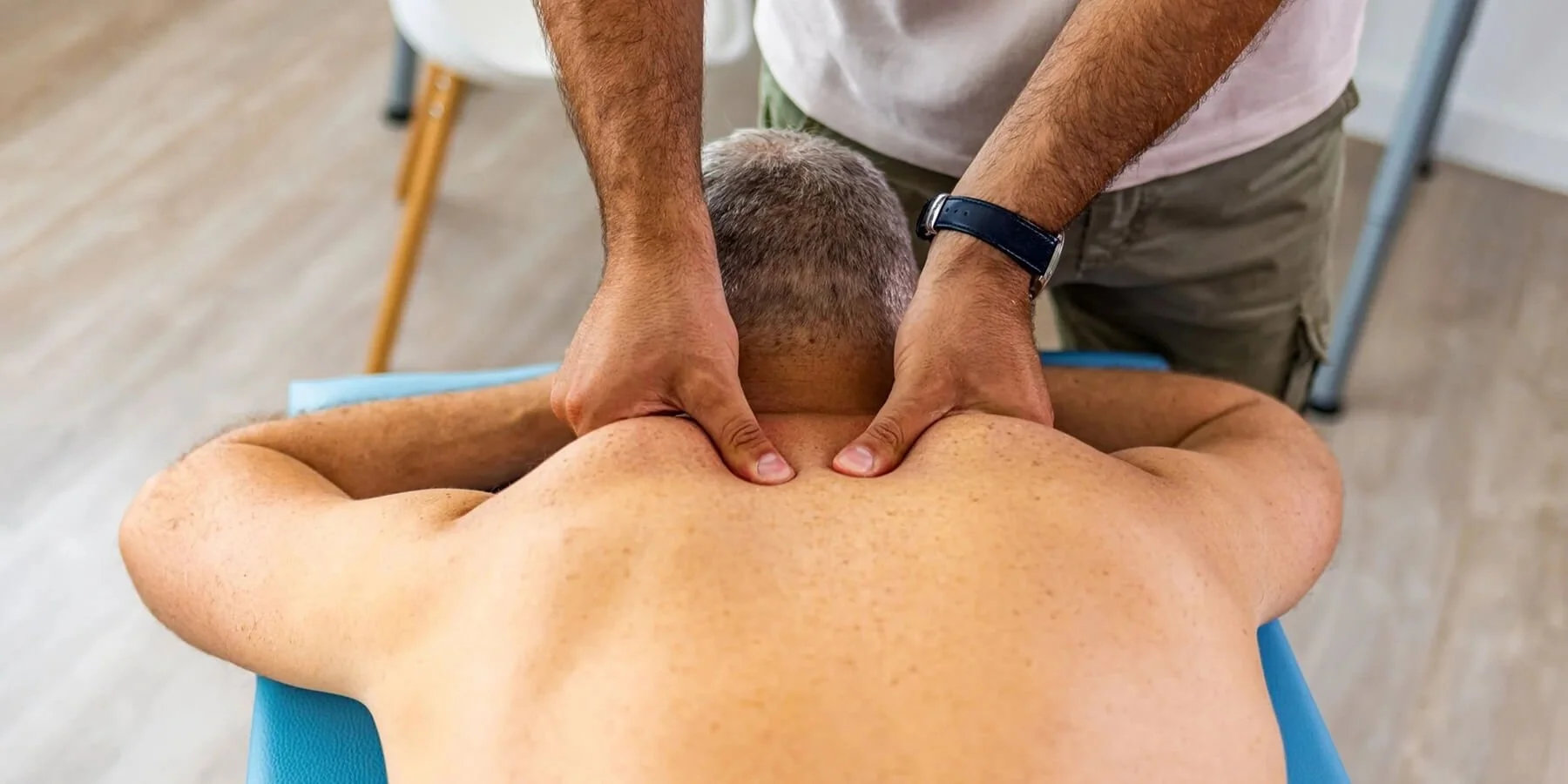
We often include dry needling techniques as part of a broader approach. Depending on your needs, it may be combined with hands-on manual therapy, remedial massage, joint mobilisation, or exercise rehabilitation to improve outcomes and restore movement.

What are the benefits?
Pain relief: Helps reduce muscle sensitivity and discomfort linked to trigger points, muscle knots, and referred pain.
Improved movement: Supports better flexibility and range of motion by releasing restricted muscles.
Faster recovery: Encourages circulation and assists healing after injury or repetitive strain.
Reduced muscle tightness: Helps relax overactive muscles in areas like the neck, shoulders, and back.
Improved circulation: Stimulates blood flow to affected muscles, supporting tissue repair.
Targeted treatment: Focuses directly on the source of muscle pain and dysfunction.
Dry Needling Brisbane FAQ
-
A dry needling session usually takes between 10 and 20 minutes, depending on the area being treated and your overall treatment plan.
During trigger point dry needling, a fine needle is inserted into specific trigger points and may remain in place briefly or be adjusted during the session. This dry needling technique aims to release tight muscle bands, improve blood flow, and reduce sensitivity in the surrounding tissue.
-
Yes. Active individuals and athletes commonly use dry needling therapy to support recovery after training or injury.
Reducing muscle tension and improving circulation can help your body recover more efficiently from physical stress and assist with managing ongoing muscle soreness.
-
You may feel a slight discomfort or a quick twitch response when the thin needle reaches a trigger point. This is a normal reaction and often indicates the muscle is responding to treatment.
Any discomfort is usually brief, and most people find the area feels more relaxed shortly after the session.
-
The frequency of treatment depends on your condition, symptoms, and goals.
Some people benefit from occasional sessions, while others may require a series of treatments as part of a structured rehabilitation plan to address ongoing musculoskeletal pain, chronic pain, or dysfunction.
-
Some people notice immediate improvements in muscle tension and movement, while others experience gradual changes over a few days.
Results can vary depending on the condition being treated and how your body responds. Improvements often continue as muscle function and circulation improve.
-
Dry needling is commonly used to treat conditions related to muscle tightness and dysfunction.
This may include shoulder pain, lower back pain, low back pain, nerve pain, sports injuries, and ongoing muscle stiffness linked to myofascial pain or overuse.
-
Yes. Dry needling is typically used alongside other physiotherapy techniques rather than on its own.
Your practitioner may combine dry needling techniques with remedial massage, hands-on therapy, joint mobilisation, or exercise rehabilitation to address the underlying cause of your symptoms and support long-term recovery.
-
Yes. Our team follows evidence-based standards aligned with the Australian Physiotherapy Association, ensuring high-quality, ethical, and effective care for every patient.
We regularly use this treatment technique as part of dry needling work for a wide range of clients, including active individuals, people recovering from injury, and those managing chronic pain, musculoskeletal pain, or ongoing discomfort.