
Back Pain: Causes, Symptoms, and Treatment Options
Back pain is one of the most common health complaints worldwide, affecting millions of people regardless of age or lifestyle. Whether it's a dull ache or sharp, debilitating pain, back pain can significantly impact your quality of life. Understanding the causes, recognising symptoms early, and knowing effective treatment options can help you manage this condition and prevent it from becoming chronic.
Symptoms and Causes of Back Pain
What is Back Pain?
Back pain refers to discomfort, tension, or pain anywhere along the spine, from the neck down to the lower back and tailbone. It can range from mild and temporary to severe and persistent. The pain may be localised to one area or radiate to other parts of the body, such as the legs or shoulders. Back pain can develop suddenly due to injury or gradually from repetitive strain, poor posture, or underlying medical conditions.
Lower Back Pain
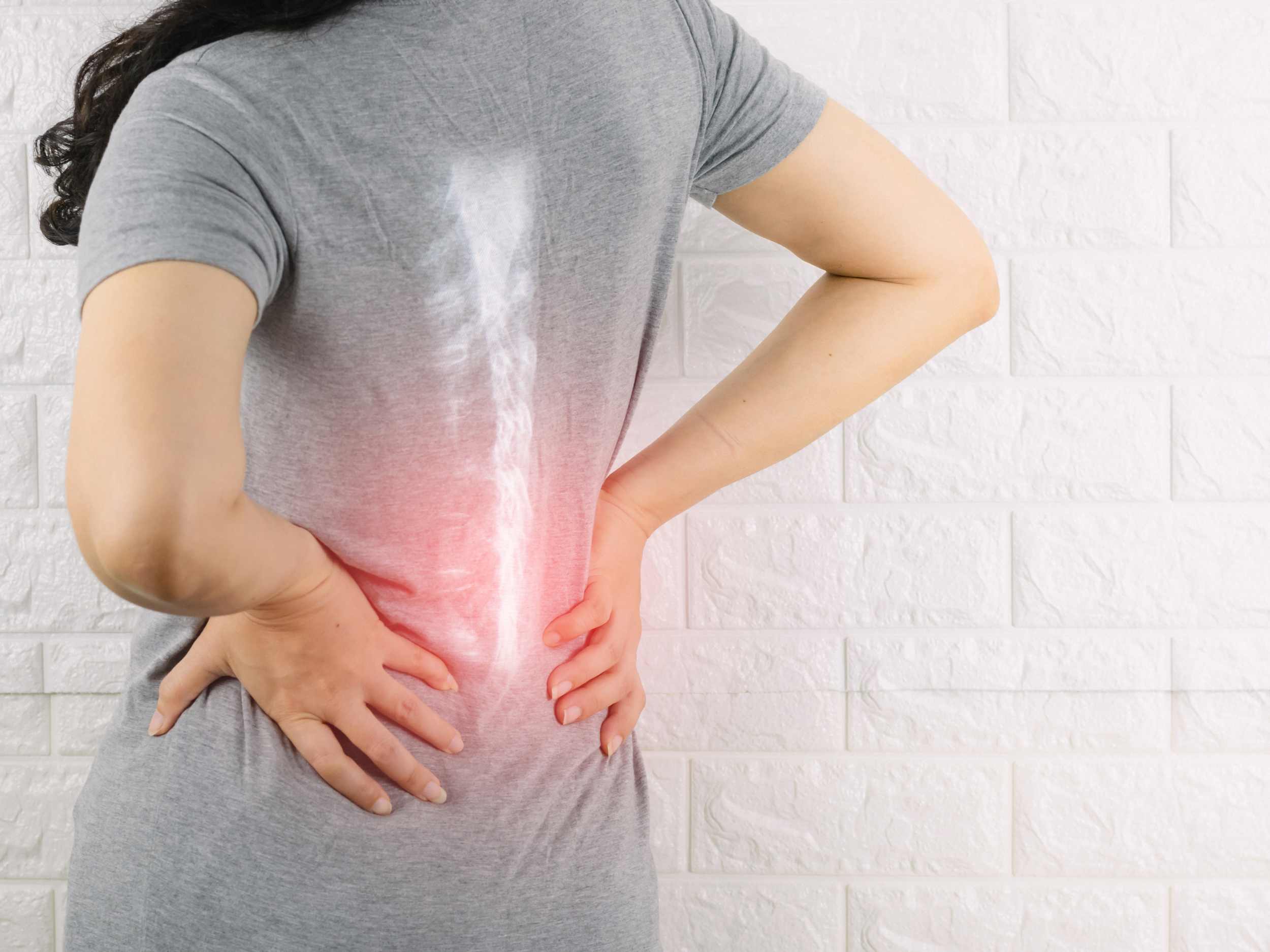
Lower back pain is the most prevalent type, affecting approximately 80% of adults at some point in their lives. This area bears much of the body's weight and is particularly vulnerable to strain and injury. Often referred to as low back pain, discomfort in this area can involve the muscles, joints, discs, nerves, or other structures surrounding the lumbar spine.
Symptoms and Causes of Lower Back Pain
Common symptoms include:
Persistent aching or stiffness
Sharp or shooting pain
Muscle spasms
Difficulty standing up straight
Pain that worsens with bending, lifting, or twisting
Radiating pain down one or both legs
Causes include muscle or ligament strain from heavy lifting or sudden movements, poor posture during prolonged sitting or standing, herniated or bulging discs, degenerative conditions like arthritis, sciatica, spinal stenosis, and skeletal irregularities such as scoliosis. A muscle strain is a common cause of pain following lifting, exercise, or sudden movement, while conditions affecting the discs or surrounding structures can sometimes contribute to nerve compression and radiating symptoms.
Best Exercises for Lower Back Pain
Gentle exercises can strengthen supporting muscles and improve flexibility:
Cat-cow stretches mobilise the spine and relieve tension
Pelvic tilts strengthen core muscles
Child's pose gently stretches the lower back and hips
Knee-to-chest stretches release tight muscles
Bird-dog exercises build core stability
Bridges strengthen the glutes and lower back
Walking and swimming promote overall spinal health
Always start slowly and stop if any exercise increases your pain.
Upper Back Pain
Whilst less common than lower back pain, upper back pain can be equally uncomfortable and disruptive to daily activities.
Symptoms and Causes of Upper Back Pain
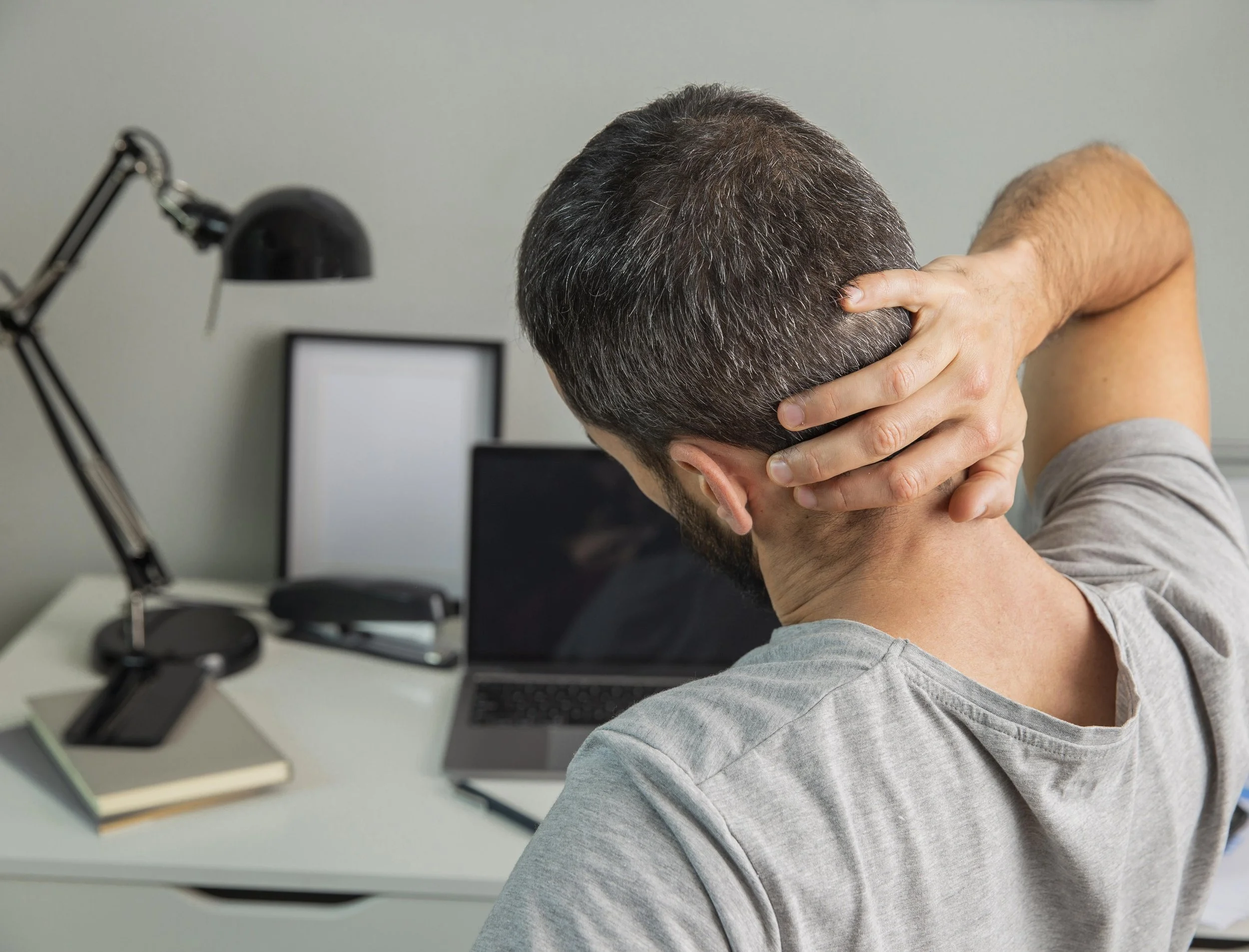
Upper back pain typically manifests as muscle tension, burning sensations between the shoulder blades, stiffness, and difficulty with shoulder movements.
Primary causes include poor ergonomics during desk work, muscle imbalances from overuse, carrying heavy bags on one shoulder, repetitive overhead activities, and injuries from accidents or falls. Less commonly, thoracic herniated discs, osteoarthritis, or myofascial pain syndrome may be responsible.
Best Exercises for Upper Back Pain
Strengthening and stretching exercises can alleviate pain:
Shoulder blade squeezes improve posture
Doorway chest stretches counteract rounded shoulders
Thoracic extensions over a foam roller improve spinal mobility
Wall angels strengthen postural muscles
Neck retractions correct forward head posture
Rows with resistance bands strengthen the mid-back
Yoga poses like cat-cow and thread the needle promote flexibility
Back Pain During Pregnancy
Back pain during pregnancy affects approximately 50-70% of expectant mothers. Understanding why it occurs and how to manage it safely is essential.
Why It Happens
Several factors contribute to back pain during pregnancy. Hormonal changes loosen ligaments and joints in preparation for childbirth, reducing spinal stability. Weight gain shifts the body's centre of gravity forward, altering posture and increasing strain. The expanding uterus stretches abdominal muscles, reducing core support. Postural changes, including increased lumbar curve, place additional stress on back muscles.
Tips to Improve Back Pain During Pregnancy
Pregnant women can safely manage back pain through:
Prenatal yoga and gentle stretching
Pelvic tilts and modified cat-cow stretches
Swimming and water aerobics
Maintaining good posture whilst sitting and standing
Using a pregnancy support belt
Sleeping on your side with a pillow between your knees
Wearing supportive, low-heeled shoes
Applying heat or cold packs
Prenatal massage from a certified therapist
Always consult your healthcare provider before starting new exercises or treatments.
How to Relieve Back Pain
For mild to moderate back pain, several home remedies can provide relief. Apply ice packs during the first 48 hours after injury, followed by heat therapy. Over-the-counter pain relievers like ibuprofen or paracetamol can manage discomfort.
Maintain gentle activity rather than complete bed rest, practise good posture, and do regular stretching exercises. Maintain a healthy weight, manage stress through relaxation techniques, ensure proper ergonomics at workstations, and get adequate sleep on a supportive mattress.
The right back pain treatment will depend on the underlying cause, severity, duration, and whether symptoms such as weakness, numbness, or radiating pain are present. If you have persistent back pain that isn't improving with self-care, a healthcare professional can assess your symptoms and recommend appropriate next steps.
Management of Back Pain
When home remedies aren't sufficient, medical interventions may be necessary. Treatment for chronic back pain may involve a combination of approaches depending on the underlying cause and how the pain affects your movement and daily life:
:
Physical therapy or physiotherapy provides personalised exercise programmes and manual therapy
Prescription medications including muscle relaxants for severe cases
Epidural steroid injections reduce inflammation around compressed nerves
Chiropractic care improves spinal alignment and function
Acupuncture provides pain relief for some individuals
TENS units deliver mild electrical pulses to reduce pain signals
Back braces offer temporary stabilisation during healing
Specialist interventions such as spinal cord stimulation may be considered for certain people with persistent pain when more conservative approaches have not provided sufficient relief
Surgical interventions in rare cases where conservative treatments fail
When to See a Doctor
Seek medical attention if you experience:
Severe pain that doesn't improve with rest
Pain accompanied by fever
Unexplained weight loss
Loss of bladder or bowel control
Progressive weakness or numbness in the legs
Pain following significant trauma
Pain radiating down one or both legs below the knee
You should also speak with a healthcare professional about persistent back pain that continues despite appropriate self-care or begins interfering significantly with your everyday activities
If you have a history of cancer, osteoporosis, or prolonged steroid use and develop new back pain, consult your doctor promptly.

FAQs
Is Upper Back Pain a Sign of Cancer?
Whilst upper back pain is rarely caused by cancer, it can occasionally be a symptom. Lung cancer, especially Pancoast tumours, can cause upper back and shoulder pain. Spinal tumours may also present with persistent upper back pain.
Cancer-related back pain typically doesn't improve with rest, progressively worsens over time, and may be accompanied by unexplained weight loss, night sweats, or fever. If your upper back pain is severe, persistent, unresponsive to usual treatments, or accompanied by these red flags, consult your healthcare provider. However, the vast majority of upper back pain cases are due to musculoskeletal issues, not cancer.
What Not to Do for Back Pain?
Avoid these actions that can worsen back pain:
Prolonged bed rest beyond a day or two
Ignoring persistent or worsening pain
Lifting heavy objects by bending at the waist
Maintaining the same position for extended periods
Sudden, jerky movements or twisting motions
Skipping prescribed exercises or physical therapy
Smoking, which reduces blood flow to spinal discs
Relying solely on passive treatments
Wearing high heels regularly
Self-medicating with excessive pain medication
Can facet joints cause back pain?
Yes. The facet joints are small joints located between the vertebrae that help provide stability while allowing the spine to move. Irritation or degeneration affecting these joints can contribute to localised back pain and stiffness. Because several different conditions can produce similar symptoms, a healthcare professional can help determine whether the facet joints or another structure may be contributing to your pain.
Can physiotherapy help with low back pain?
Physiotherapy may be used as part of a treatment plan for low back pain, with management tailored to the individual and the underlying cause of their symptoms. Treatment may include appropriate exercises, movement and strengthening work, education, and strategies for returning to everyday activities.
