
How Can You Fix Scoliosis Safely and Effectively
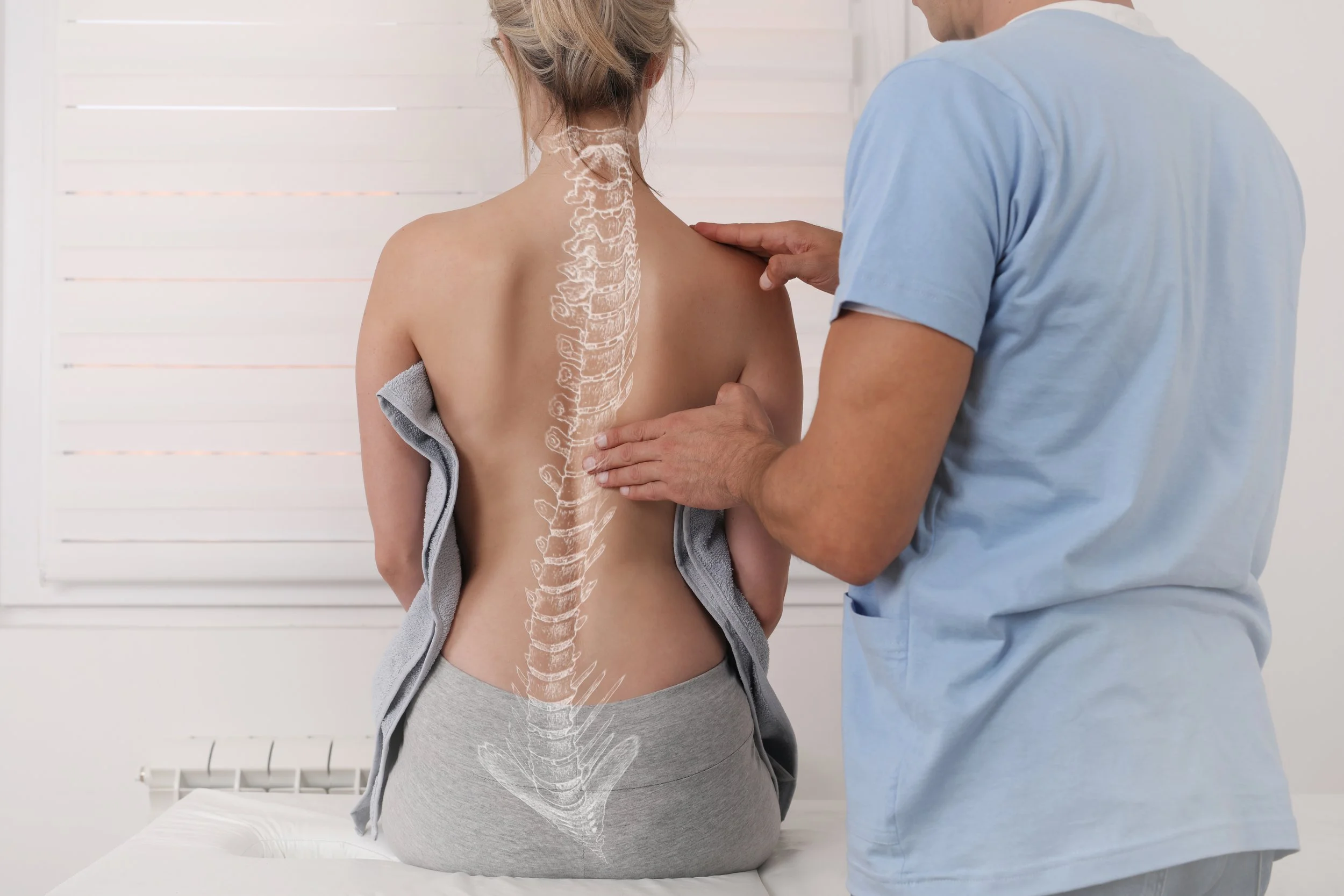
Scoliosis is a spinal condition that causes the spine to curve sideways, forming an "S" or "C" shape rather than running straight down the back. Whilst the word "fix" might suggest a complete cure, the reality is more nuanced. For many people with scoliosis, particularly mild to moderate cases, targeted exercises, proper treatment, and lifestyle modifications can significantly improve symptoms, slow curve progression, and enhance quality of life.
Read AI-generated Summary
Understanding Scoliosis: Causes and Symptoms
What is Scoliosis?
Scoliosis is a medical condition characterised by an abnormal lateral curvature of the spine. Rather than running straight down the middle of the back, the spine curves to one side, often accompanied by rotation of the vertebrae. The curvature is measured in degrees, with curves of 10 degrees or more considered diagnostic for scoliosis. Curves are typically classified as mild (10-25 degrees), moderate (25-40 degrees), or severe (above 40 degrees).
Scoliosis can develop at any age, though it's most commonly detected during childhood and adolescence. The condition affects approximately 2-3% of the population and can range from barely noticeable to severe cases requiring medical intervention.
Types of Scoliosis
Several types of scoliosis exist:
Idiopathic scoliosis is the most common form, accounting for about 80% of cases, with no known cause
Congenital scoliosis develops before birth due to malformed vertebrae
Neuromuscular scoliosis results from conditions affecting nerves and muscles, such as cerebral palsy or muscular dystrophy
Degenerative scoliosis develops later in life due to wear and tear on the spine or arthritis
Common Symptoms of Scoliosis
Many people with mild scoliosis experience no symptoms. However, as the curve progresses, several signs may become apparent:
Uneven shoulders, with one sitting higher than the other
One shoulder blade appearing more prominent
Uneven waist or hips
The body leaning to one side
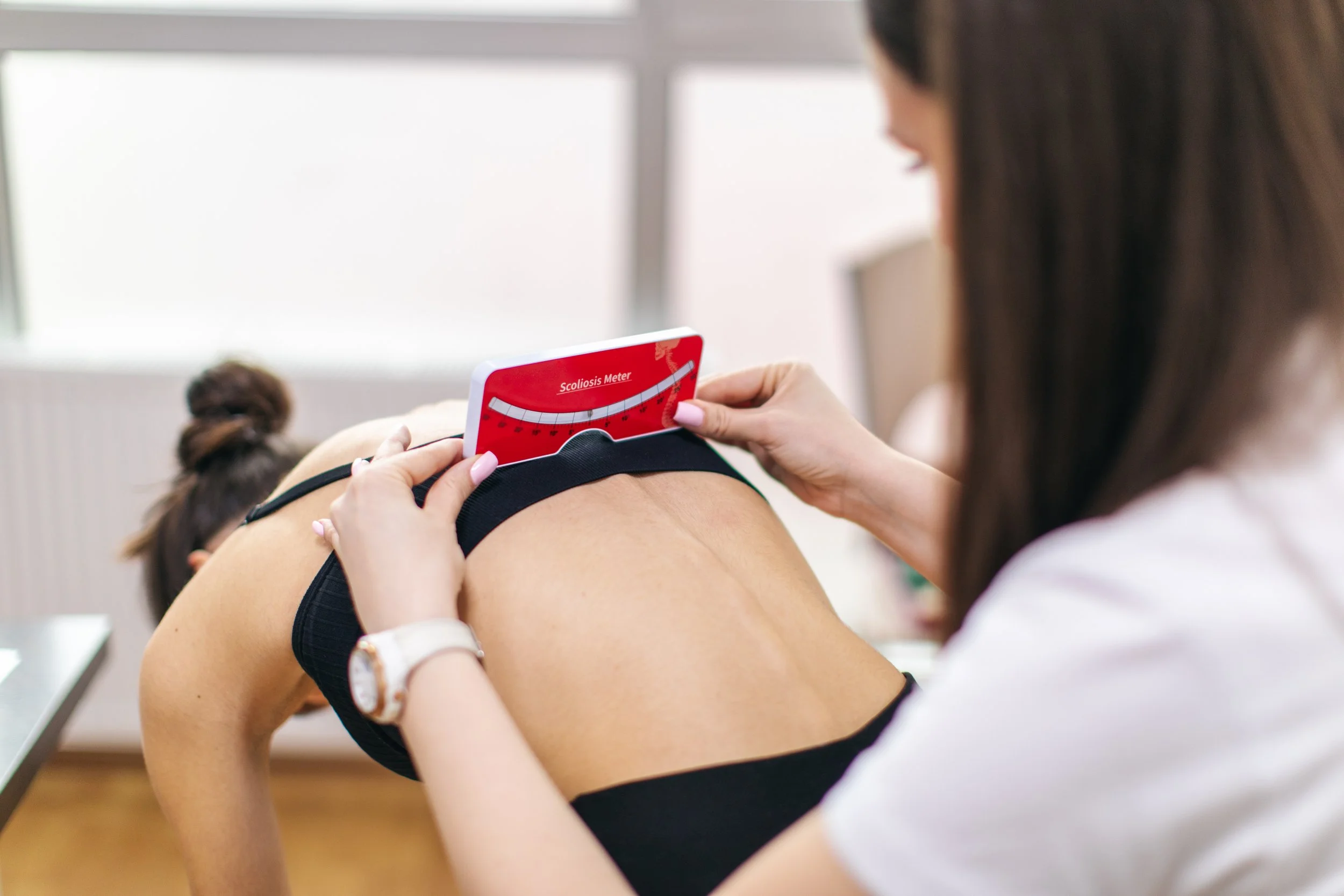
Visible spinal curve when bending forward
Back pain or discomfort, particularly in adults
Muscle fatigue after prolonged sitting or standing
In severe cases, breathing difficulties or reduced lung capacity
Causes and Risk Factors
The cause of most scoliosis cases remains unknown, particularly idiopathic scoliosis. However, several risk factors have been identified:
Age: Curves most likely progress during growth spurts in adolescence
Gender: Girls are more likely to develop curve progression requiring treatment
Family history: Scoliosis tends to run in families
Medical conditions: Certain conditions like cerebral palsy and muscular dystrophy increase risk
How Can You Fix Scoliosis
Whilst complete correction isn't always possible, several approaches can help manage scoliosis effectively. Treatment depends on the severity of the curve, age, and whether the spine is still growing.
For mild curves (under 25 degrees), regular monitoring and exercise therapy are typically recommended. Physical therapy and specific exercises can strengthen muscles supporting the spine and potentially slow curve progression.
Moderate curves (25-40 degrees) in growing children may require bracing in addition to exercises. Braces don't reverse existing curves but can prevent further progression. For adults with degenerative scoliosis, treatment focuses on pain management and maintaining flexibility.
Severe curves (over 40-45 degrees) or those causing significant pain or breathing difficulties may require surgical intervention, though this is typically reserved for cases where conservative treatments have failed.
Best Scoliosis Workouts
Targeted workouts can strengthen muscles supporting your spine:
Core strengthening: Planks, modified side planks, and dead bugs build core stability without excessive spinal rotation
Swimming: Excellent low-impact exercise that strengthens back muscles whilst minimising stress on the spine
Pilates: Focuses on core strength, flexibility, and body awareness
Yoga: Improves flexibility and balance when poses are properly modified
Walking and gentle cycling: Promote cardiovascular health without excessive spinal stress
Resistance band exercises: Allow controlled strengthening of specific muscle groups
Recommended Scoliosis Stretches
Stretching helps maintain flexibility and reduce muscle tension:
Cat-cow stretch: Alternately arch and round your back on hands and knees to mobilise the spine
Child's pose: Sit back on your heels with arms extended forward to stretch the lower back
Doorway chest stretch: Stand in a doorway with arms on the frame and step forward to counteract rounded shoulders
Hip flexor stretch: Kneel on one knee with the other foot forward and gently push hips forward
Side stretches: Reach one arm overhead and lean to the opposite side
Hamstring stretches: Sit with one leg extended and reach towards your toes
Always perform stretches gently and hold for 20-30 seconds without bouncing. Stop immediately if any stretch causes pain.
Scoliosis Exercises to Avoid
Whilst exercise is beneficial, certain movements can potentially aggravate scoliosis. Understanding which exercises to avoid or modify is crucial for safe practice.
Common Exercises That May Aggravate Scoliosis:
High-impact activities like trampolining and certain contact sports may place excessive stress on the spine
Heavy weightlifting with improper form, particularly overhead lifts
Exercises involving excessive twisting such as full sit-ups with rotation and Russian twists with heavy weights
Activities requiring extreme back extension like full backbends, wheel pose, and full cobra
Single-sided exercises that increase asymmetry, such as always carrying bags on one shoulder
High-impact running on hard surfaces (low-impact alternatives like swimming are generally safer)
Tips to Modify or Skip Harmful Movements:
Rather than completely avoiding exercise, focus on modifications:
Work with a qualified physiotherapist experienced in scoliosis management
Start any new exercise slowly with light resistance
Maintain symmetry by performing exercises equally on both sides
Focus on core stability before progressing to complex movements
Listen to your body and stop any exercise causing pain
Modify high-impact exercises to low-impact alternatives (swimming instead of running)
Use lighter weights with proper form rather than heavy weights with poor technique
Always warm up before exercising and cool down afterwards
Can Scoliosis Be Prevented?
The honest answer is that idiopathic scoliosis cannot be prevented as its cause is unknown. You cannot prevent congenital scoliosis (develops before birth) or neuromuscular scoliosis associated with conditions like cerebral palsy.
However, you can take steps to promote spinal health and improve outcomes:
Maintain good posture throughout daily activities
Exercise regularly to strengthen muscles supporting your spine
Get regular check-ups during childhood and adolescence, especially with a family history
Maintain a healthy weight to reduce stress on the spine
Avoid smoking to promote better bone health
Stay physically active with low-impact exercises
Early detection significantly improves treatment outcomes. School screening programmes can help identify curves early when they're most responsive to treatment. If you have a family history of scoliosis, be particularly vigilant about monitoring children during growth spurts. Early intervention with exercises, bracing when appropriate, and regular monitoring can prevent mild curves from progressing to more severe levels.
