Clinical Sports Massage Brisbane
What is clinical sports massage?
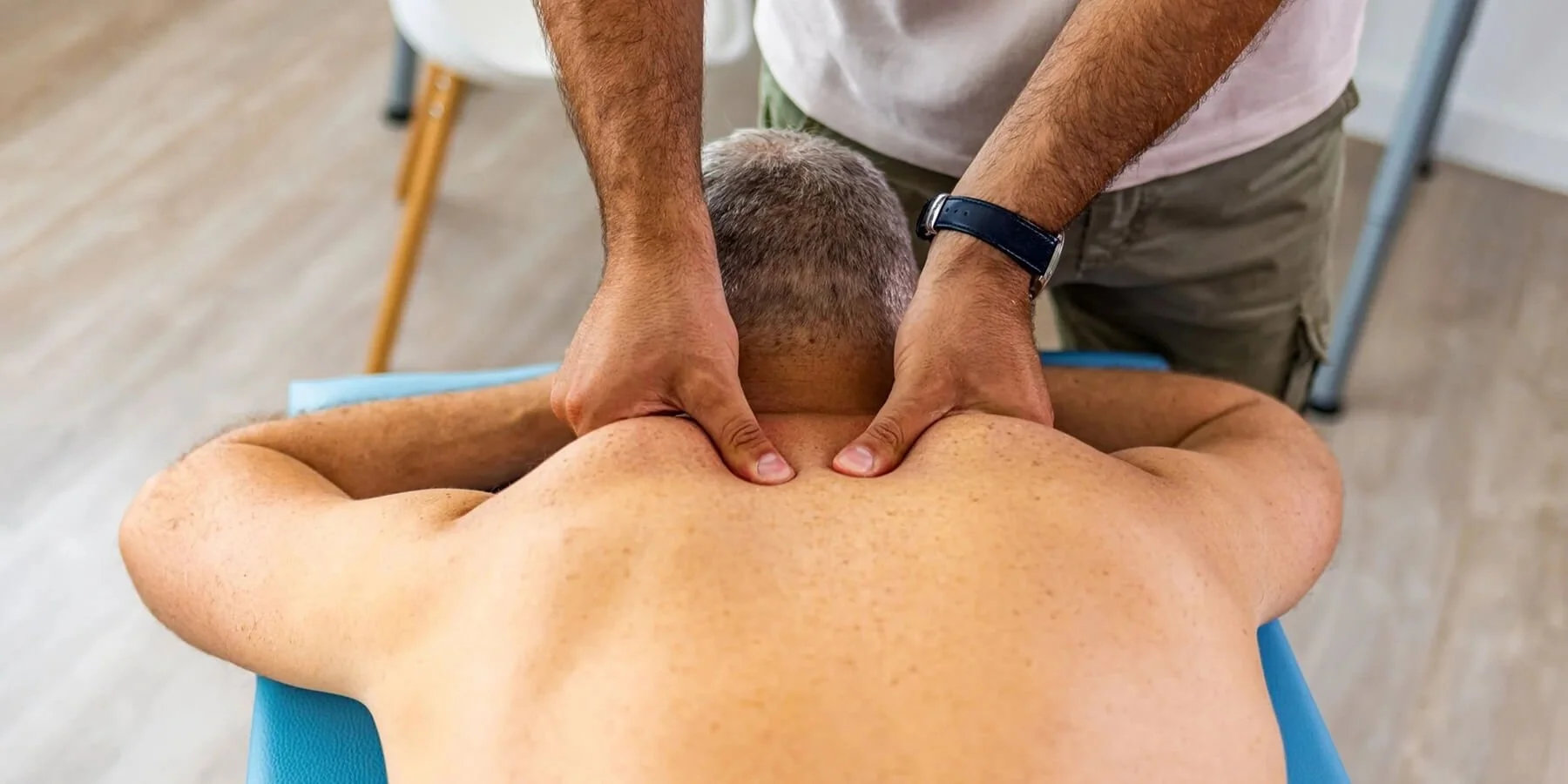
Sports massage therapy is a structured, hands-on treatment designed for active individuals, athletes, and anyone dealing with muscle tension, soreness, or movement restrictions related to physical activity. It focuses on improving muscle function, supporting recovery, and helping reduce the risk of injury.
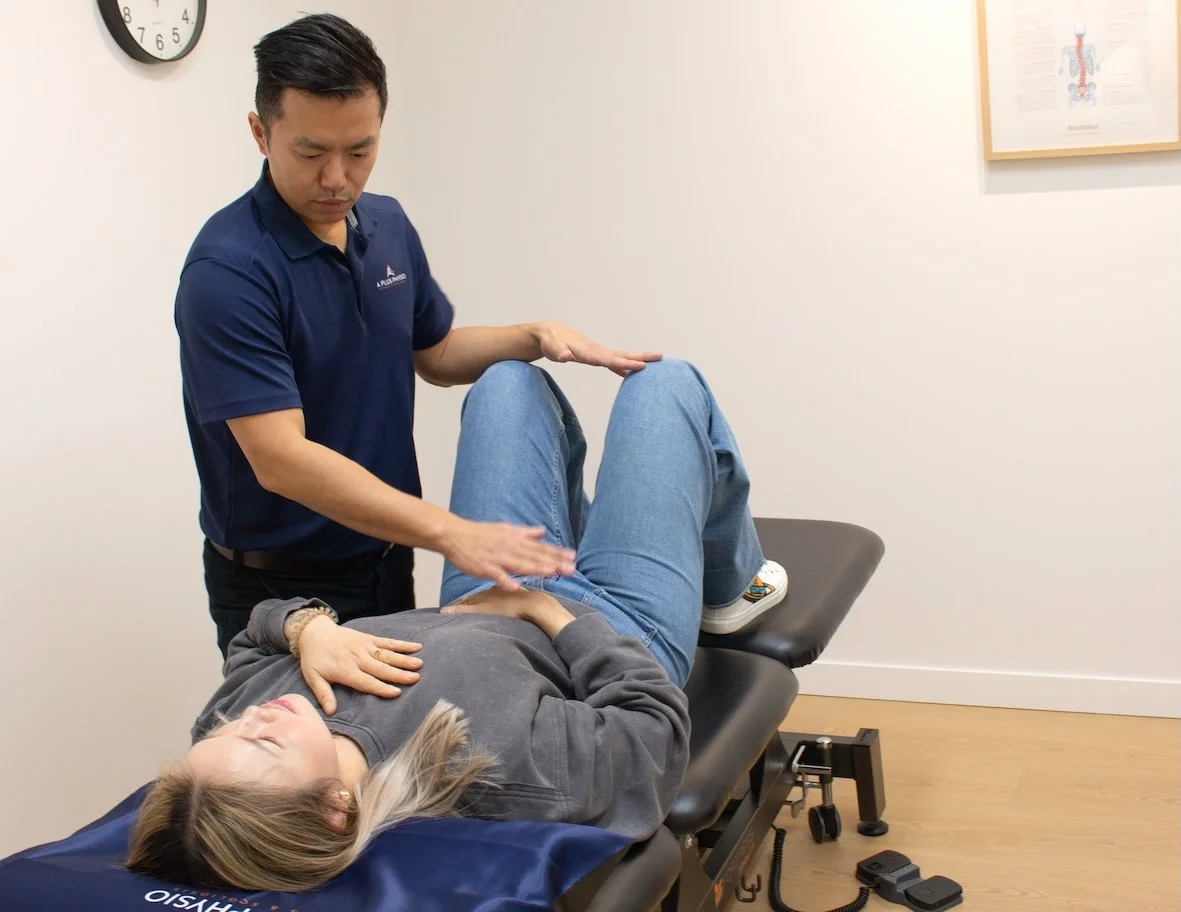
Unlike a standard massage, clinical sports massage begins with functional assessment, which may include a range of motion testing, movement pattern analysis, and assessment of kinetic chains to identify the underlying cause of discomfort or dysfunction. This allows treatment to be tailored to the muscles, ligaments, tendons, and connective tissue contributing to the issue.
We often use clinical sports massage therapy as part of a broader treatment approach. Depending on your condition and goals, it may be combined with physiotherapy, myofascial release, dry needling, joint mobilisation, or exercise rehabilitation to improve movement, reduce pain, and support long-term recovery.
What are the benefits?
Pain relief: Helps reduce muscle soreness, tension, and discomfort caused by training, physical activity, or overuse.
Improved movement: Supports flexibility and range of motion by addressing restricted muscles and connective tissue.
Faster recovery: Encourages circulation and supports recovery after training, competition, or sports-related strain.
Reduced muscle stiffness: Helps ease tightness commonly experienced after exercise, repetitive movement, or high physical demand.
Injury prevention support: Identifies movement dysfunctions that may contribute to strain or recurring injury.
Targeted treatment: Allows practitioners to focus on the muscles, tendons, and soft tissue contributing to your symptoms.
Clinical Sports Massage Brisbane FAQ
-
Clinical sports massage is a more structured form of sports massage therapy that combines assessment with targeted hands-on treatment.
While remedial massage focuses broadly on soft tissue dysfunction, clinical sports massage is designed to address performance, recovery, muscle imbalance, and movement-related issues in active individuals.
-
No. While clinical sports massage in Brisbane is commonly used by professional athletes and highly active individuals, it can also benefit anyone experiencing muscular pain, sore muscles, tightness, or movement restrictions caused by exercise, work, or repetitive strain.
-
Yes. Clinical sports massage is commonly used to support sports injury recovery by targeting affected muscle tissue, reducing tightness, and improving circulation.
A sports massage therapist may also use specific massage techniques to address movement dysfunction that could be delaying recovery.
-
Yes. Clinical sports massage therapy is often used to help manage post-exercise soreness, fatigue, and delayed onset muscle soreness (DOMS). Massage treatment may help reduce muscular tension, improve circulation, and support faster recovery after physical activity.
-
Sports massage therapy may help some people experiencing chronic pain or ongoing muscular pain where soft tissue restriction, muscle imbalance, or physical strain are contributing factors. Treatment is tailored to the underlying issue rather than simply addressing symptoms.
-
No. Relaxation massage is generally focused on reducing stress and promoting overall relaxation, while clinical sports massage in Brisbane is more targeted and treatment-focused. Although some people find sports massage therapy relaxing, the primary goal is improving muscle function, recovery, and movement.
-
Unlike standard massage treatment, clinical sports massage typically begins with assessment. Your practitioner may review range of motion, movement patterns, and muscle function before selecting the most appropriate massage techniques to target the underlying cause of discomfort or restriction.
-
Yes. Clinical sports massage is often combined with physiotherapy, dry needling, myofascial release, joint mobilisation, or exercise rehabilitation as part of a broader recovery plan, depending on your condition and goals.