Deep Tissue Massage
What is deep tissue massage?
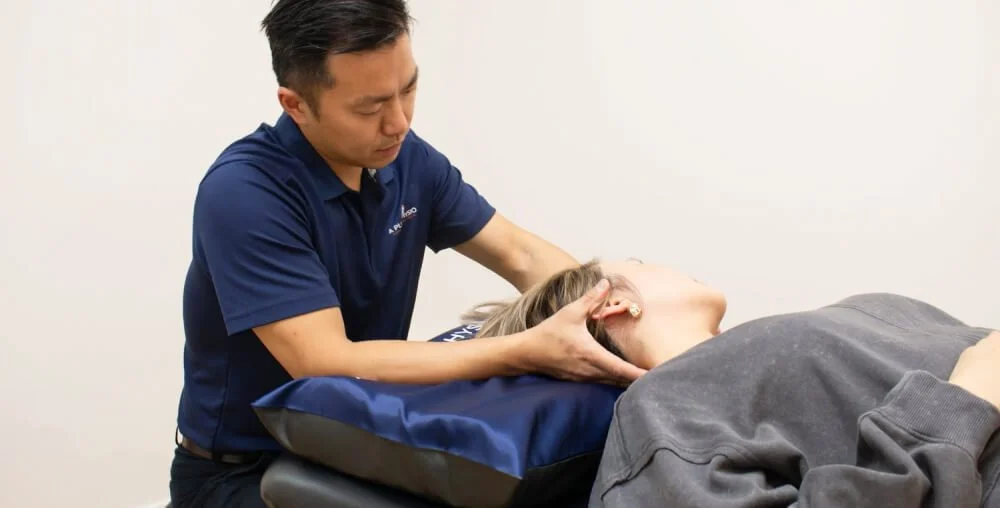
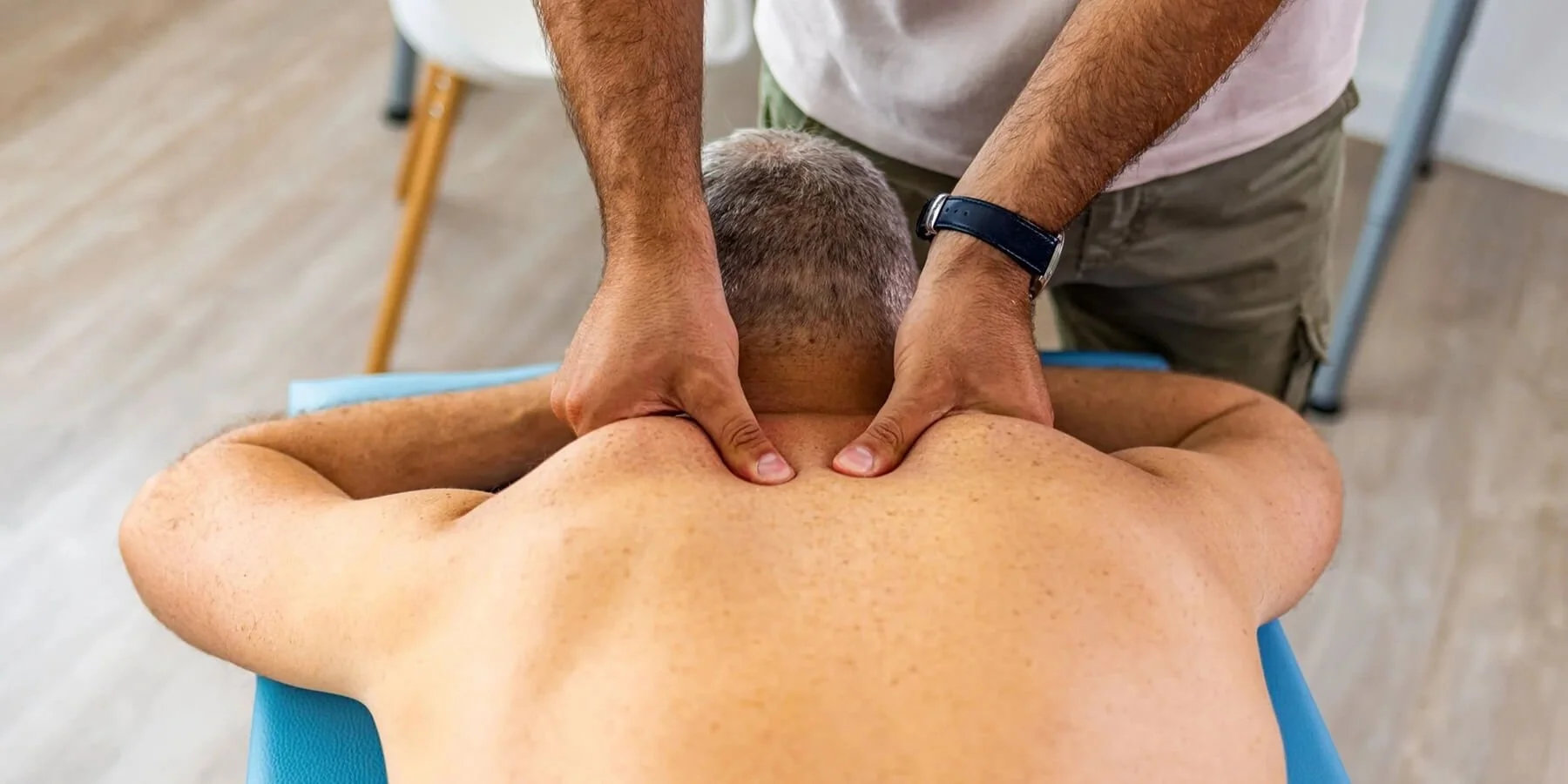
Deep tissue massage is a hands-on treatment that targets deeper layers of muscle and connective tissue to reduce tension, relieve soreness, and improve movement. It’s commonly used for muscle stiffness, fatigue, and discomfort caused by overuse, poor posture, or physical strain.
By applying focused pressure to restricted areas, deep tissue massage helps release tight muscles, improve circulation, and support tissue recovery. It can be particularly helpful for sports injuries, where scar tissue, inflammation, and muscle tightness may be limiting movement or delaying recovery.
Our deep tissue massage therapists often use deep tissue massage as part of a broader treatment approach. Depending on your condition and goals, it may be combined with techniques such as myofascial release, joint mobilisation, dry needling, or exercise rehabilitation to reduce pain, restore mobility, and support long-term recovery.
What are the benefits?
Pain relief: Helps reduce muscle tension, soreness, and ongoing tightness in affected areas.
Improved movement: Supports flexibility and range of motion by releasing restricted muscles and soft tissue.
Faster recovery: Encourages circulation and supports recovery from sports injuries and overuse conditions.
Reduced muscle stiffness: Helps ease tightness commonly experienced in the neck, shoulders, back, and other overworked areas.
Improved circulation: Promotes blood flow to irritated or fatigued muscle tissue to support healing.
Targeted treatment: Allows practitioners to focus on the muscles contributing to your pain or restricted movement.
Deep Tissue Massage Brisbane FAQ
-
Both deep tissue massage and remedial massage are hands-on treatments used to address muscle pain, tight muscles, and movement restrictions.
Remedial massage often takes a broader approach to assessing and treating soft tissue dysfunction, while deep tissue massage focuses more specifically on deeper muscle layers and persistent muscular tension.
-
Yes. Deep tissue massage is commonly used to help manage neck pain, shoulder pain, and muscular tension caused by poor posture, repetitive strain, or physical overuse.
By releasing tight muscles and improving circulation, treatment may help restore more comfortable movement.
-
Deep tissue massage may help reduce lower back pain caused by muscle tightness, muscular tension, or overworked soft tissue.
For some people, addressing tight muscle restrictions in the surrounding areas can improve mobility and reduce ongoing discomfort.
-
Deep tissue massage may be beneficial for some people managing chronic pain where muscular tension, stiffness, or soft tissue restriction are contributing factors.
As part of a broader treatment plan, massage therapy can help improve movement, reduce muscle pain, and support long-term symptom management.
-
Yes. Deep tissue massage can help reduce muscle spasms by releasing tight muscles, improving blood flow, and decreasing tension in overworked areas. Treatment is tailored based on the cause and severity of your symptoms.
-
While deep tissue massage is often used for muscle pain, injury recovery, and movement restriction, it can also promote deep relaxation by reducing physical stress and muscular tension throughout the body. The treatment approach of our deep tissue massage therapists can be adjusted depending on your goals.
-
At our physiotherapy clinic, deep tissue massage may be provided as part of your care plan by a qualified deep tissue massage therapists, depending on your condition and treatment needs. Where appropriate, treatment may also be combined with physiotherapy, exercise rehabilitation, or other hands-on techniques.
-
Yes. Deep tissue massage is often used alongside other treatments rather than as a standalone approach. Depending on your condition, your deep tissue massage therapists may combine massage therapy with remedial massage, myofascial release, joint mobilisation, dry needling, or exercise rehabilitation to support recovery and improve movement.