
Rated 5.0 by 100+ locals.Foot Physio: Get Back on Your Feet Pain-Free
Sore feet making it difficult to get through the day? Our foot physio treatments help manage pain, improve mobility, and get you back to walking, working, and doing the things you enjoy. Take the next step towards lasting relief.
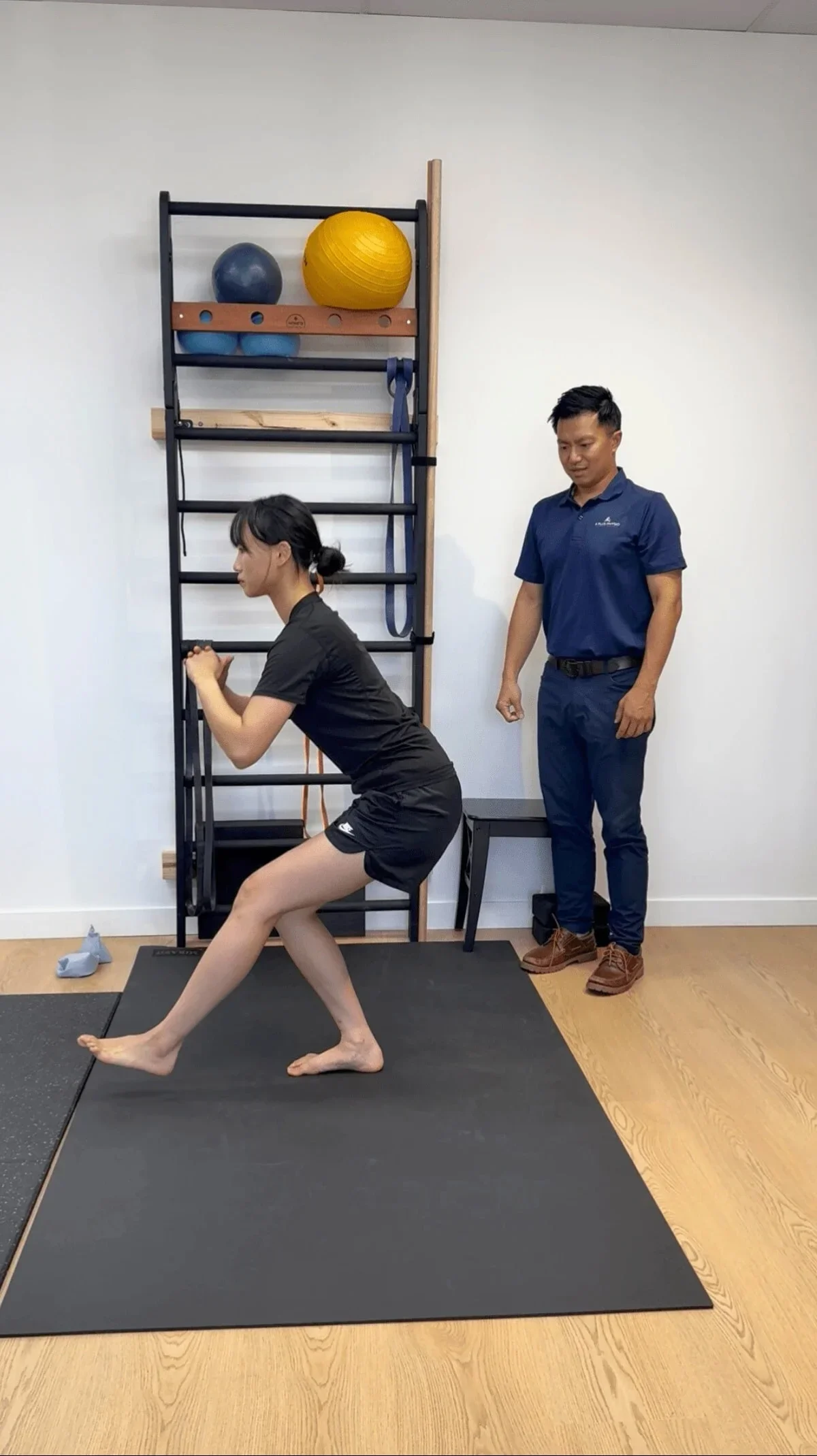
Get your feet moving comfortably again.
Foot pain can make everyday activities like walking, standing at work, or exercising uncomfortable. Even simple tasks can become frustrating when every step hurts.
Whether you're dealing with plantar fasciitis, shin splints, calf pain, or ankle discomfort, foot physio can help. Treatment focuses on identifying the cause of your symptoms, improving mobility and helping you stay active.
Our physiotherapists assess how your feet, ankles and lower legs move, looking for areas of weakness, stiffness or strain before developing a treatment plan suited to your needs.
If sore feet are making it harder to stay active, book an appointment today. We're here to help you move more comfortably and get back to your usual routine.

Foot physio explained.
Your feet contain numerous bones, joints, muscles, and ligaments that work together to support your body. Pain can develop when these structures become irritated, injured, or struggle to cope with the demands placed on them.
-
Foot problems can develop from everyday activities, injuries or changes in how you move. Common contributing factors include:
Increased walking, running or standing
Repetitive strain from daily activities
Poorly fitting or unsupportive footwear
Previous foot or ankle injuries
Muscle weakness or reduced flexibility
Changes in walking patterns or foot mechanics
-
Foot pain doesn't always feel the same or occur in the same place. Depending on the affected area, you may experience:
Heel pain when taking your first steps
Aching or tenderness along the arch
Swelling around the foot or ankle
Pain when walking, running, or standing
Stiffness after sitting or resting
Discomfort through the calf or shin
-
Foot physio can help manage a range of injuries and conditions affecting the lower leg, including:
Plantar fasciitis and plantar heel pain
Ankle sprains and ligament injuries
Shin splints (medial tibial stress syndrome)
Achilles tendinopathy
Calf muscle strains
Foot and ankle joint stiffness
-
Your physiotherapist will assess where your pain is coming from and how your foot responds to movement and weight-bearing activities. This may include checking your ankle mobility, calf strength, walking pattern, and balance.
Treatment depends on the problem identified. It may involve hands-on therapy, stretching, strengthening exercises, balance training, and advice on footwear or managing activity levels.
For conditions such as plantar fasciitis, shin splints, or ankle injuries, we'll also look at how much load your feet and lower legs are handling and help you build tolerance gradually.

Your foot recovery is our priority.
Getting back to your usual activities starts with finding out what your feet can comfortably handle. Whether you're recovering from an injury or dealing with ongoing discomfort, we'll help you take practical steps towards lasting relief.
Depending on your symptoms, your treatment may involve hands-on techniques, ankle mobility work, calf strengthening, and exercises to improve foot control. We'll also look at how you walk and whether your footwear or daily habits could be contributing to the problem.
As things improve, we'll help you build up your walking, standing, or exercise tolerance at a manageable pace. Your program will change as you progress, so your feet are better prepared for the activities you want to get back to.
Foot Physio FAQ
-
Your first appointment typically takes around 30 to 60 minutes, depending on the assessment required. Your physiotherapist will discuss your symptoms, examine your foot and ankle, and recommend a suitable treatment plan. Follow-up appointments may be shorter and focus on your progress and rehabilitation.
-
No, you generally don't need a GP referral to see a private physiotherapist in Australia. You can book directly if you're experiencing foot pain, stiffness or difficulty walking. However, some funding arrangements, including certain Medicare programs, may require a referral.
-
The number of sessions depends on your condition, how long you've had symptoms and your recovery goals. Some minor injuries improve within a few appointments, while ongoing foot problems may need longer rehabilitation. Your physiotherapist will review your progress and recommend appointments as needed.
-
Yes. Plantar fasciitis physio can help manage heel pain through stretching, strengthening exercises and advice on reducing strain on the plantar fascia. Your physiotherapist may also recommend changes to your footwear or activity levels to help your foot recover.
-
Yes. Physio for shin splints can help address pain linked to running or repetitive activity, while calf pain physio focuses on problems such as muscle strains and overuse. Treatment may include strengthening exercises, activity modifications and a gradual return to exercise.
-
Yes. Ankle physio can help with sprains, stiffness, weakness and ongoing discomfort. Treatment may involve restoring ankle movement, improving strength and retraining balance to support everyday activities. If your ankle is severely swollen or you can't put weight on it, further medical assessment may be needed.