Rated 5.0 by 100+ locals.Jaw Physio for TMJ Pain, Clicking & Jaw Stiffness
Jaw pain can make everyday activities like eating, talking, and even yawning uncomfortable. Our physiotherapists provide personalised jaw physiotherapy to relieve discomfort, restore normal movement, and help you regain confidence in your day-to-day life.
Find Lasting Relief From Jaw Pain
If your jaw feels sore or stiff, clicks when you open your mouth, or becomes tired while chewing, you're not alone. Jaw dysfunction can affect much more than your mouth, often contributing to headaches, facial pain, neck tension, and difficulty performing simple daily tasks.
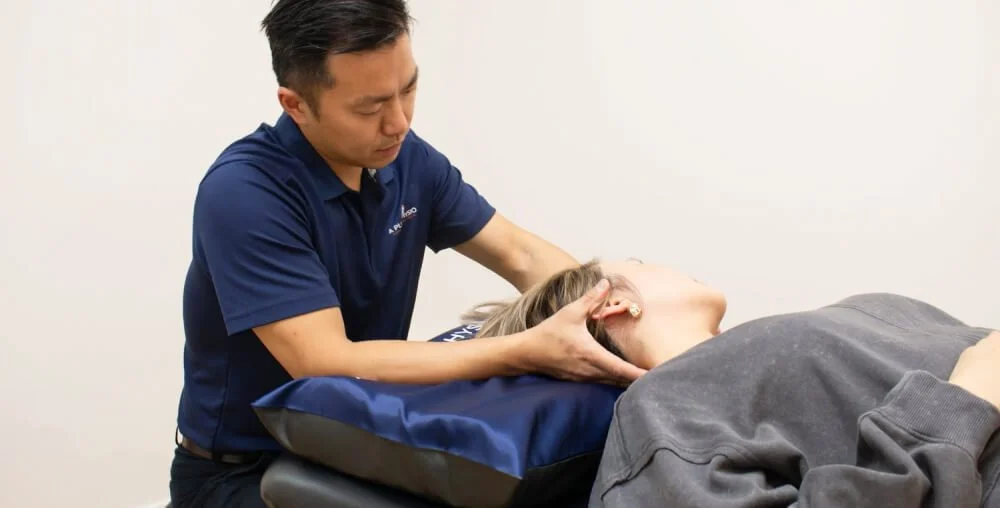
At A Plus Physio, we take the time to understand what's causing your symptoms rather than simply treating the discomfort. Our physiotherapists assess how your jaw, neck, muscles, and surrounding joints work together to identify the source of the problem.
Using hands-on physiotherapy, movement retraining, and practical self-management strategies, we aim to improve jaw function, reduce pain, and help prevent recurring flare-ups.
Whether your symptoms developed gradually or followed an injury, dental procedure, or period of increased stress, we'll create a treatment plan tailored to your individual needs.
Take the first step towards more comfortable movement by booking your jaw physiotherapy appointment today.
Jaw Pain & TMJ explained.
Jaw pain can develop for many different reasons. Problems affecting the temporomandibular joint (TMJ), surrounding muscles, or nearby structures can make everyday movements uncomfortable and sometimes lead to symptoms beyond the jaw itself.
-
Jaw discomfort is often the result of several contributing factors rather than a single cause. Common causes include:Teeth grinding or clenching
Muscle tension around the jaw and face
Temporomandibular joint (TMJ) dysfunction
Previous jaw or facial injuries
Poor posture affecting the neck and jaw
Stress-related muscle tightness
-
Jaw conditions don't always present as pain alone. Symptoms may include:Jaw pain when opening or closing the mouth
Clicking, popping, or grinding sounds
Difficulty chewing certain foods
Jaw stiffness or locking
Facial pain or tenderness
Ear discomfort without infection
-
Several musculoskeletal and lifestyle factors may increase the likelihood of recurring headaches, including:
Tension headaches
Cervicogenic (neck-related) headaches
Migraines
Postural strain
Jaw tension and dysfunction
Chronic neck pain
-
Your physiotherapist will assess the movement of your jaw, neck, posture, and surrounding muscles to determine what's contributing to your symptoms.
Treatment may include gentle manual therapy, soft tissue techniques, mobility exercises, movement retraining, and education to improve jaw mechanics and reduce unnecessary strain.
Our goal is to help restore comfortable jaw movement, reduce pain, and give you practical strategies to better manage your symptoms over the long term.
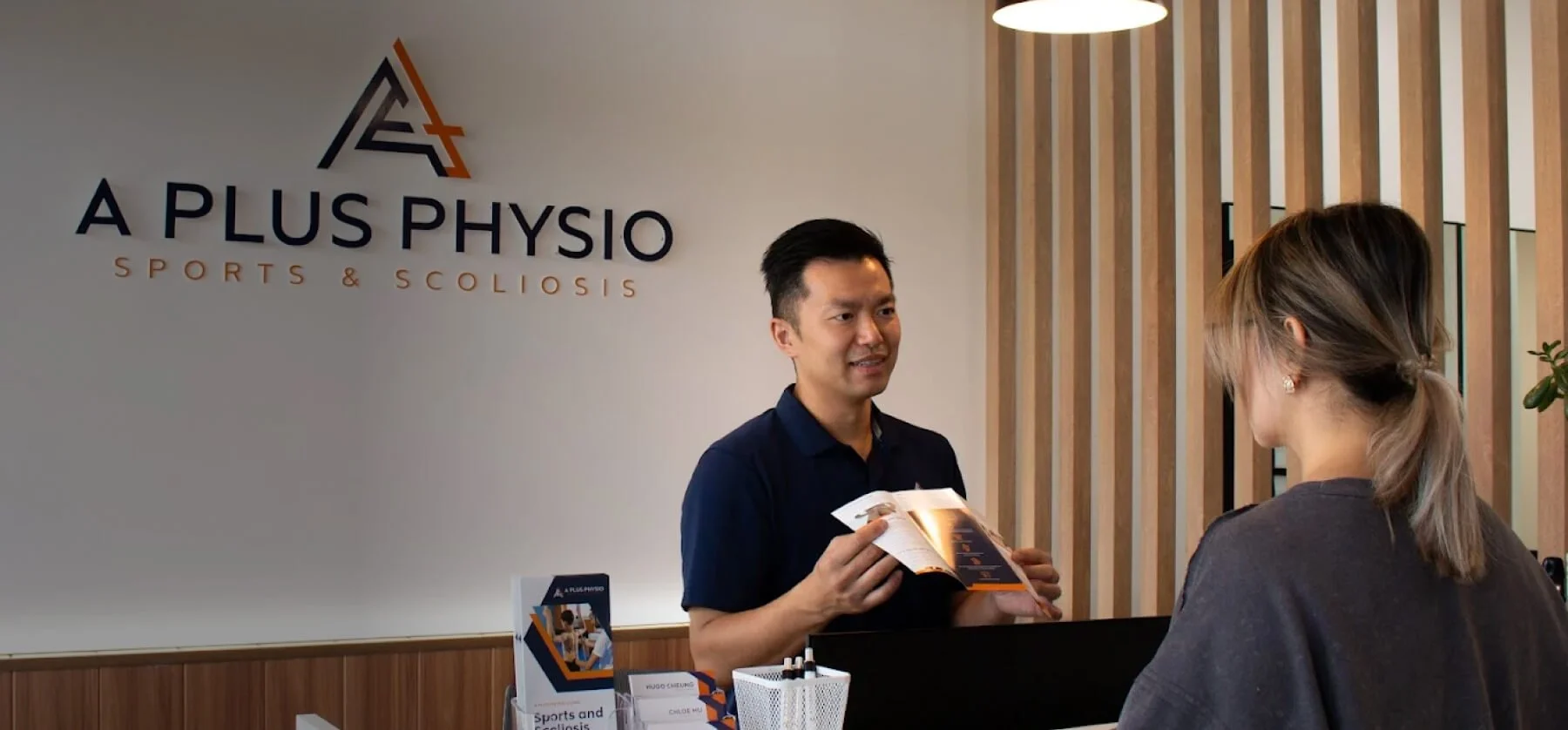
Supporting Your Jaw Recovery Every Step of the Way
Jaw pain can have a significant impact on your daily life, making simple activities like eating, speaking, laughing, or yawning uncomfortable. Our goal is to help you regain comfortable jaw movement while addressing the underlying cause of your symptoms.
Rather than focusing only on the painful area, our physiotherapists assess how your jaw, neck, posture, and surrounding muscles work together. This allows us to create a treatment plan that's tailored to your specific presentation and recovery goals.
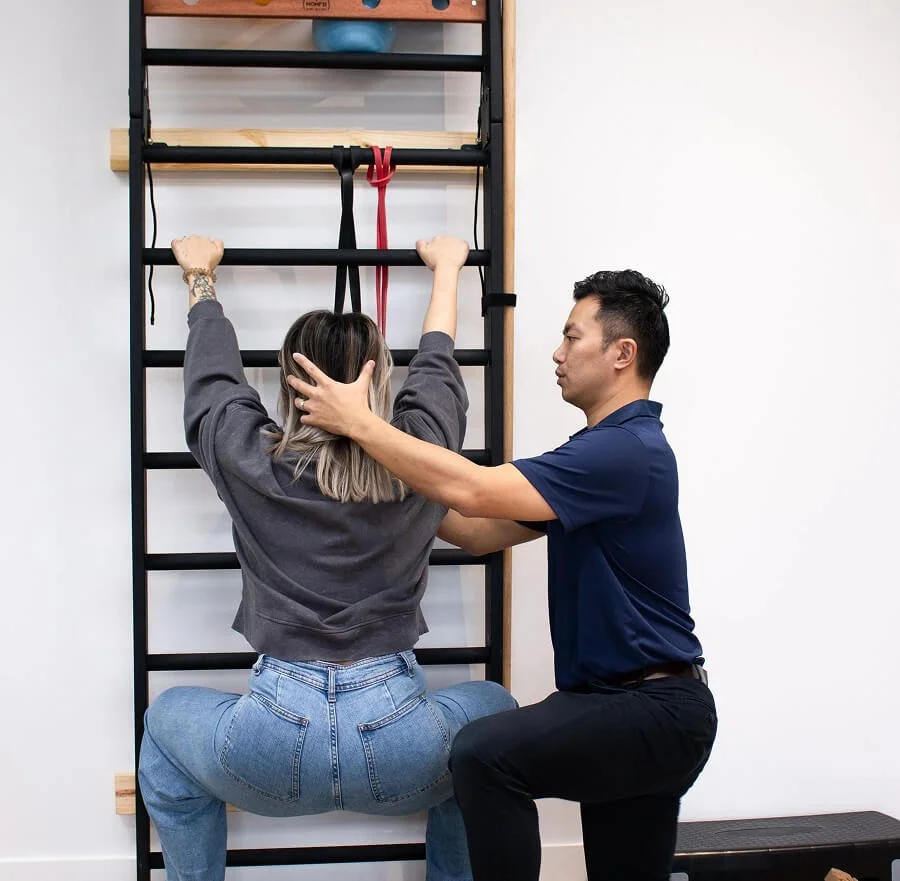
Treatment may include hands-on physiotherapy, soft tissue therapy, joint mobilisation, dry needling where appropriate, and exercises to improve jaw control, mobility, and muscle function.
We'll also provide practical advice to help you reduce unnecessary strain on your jaw, improve everyday movement habits, and minimise the likelihood of recurring symptoms.
Physio for Jaw FAQ
-
Clicking or popping can occur when the jaw joint or the surrounding tissues aren't moving smoothly. While some clicking is painless, persistent noises accompanied by pain, locking, or restricted movement may benefit from a physiotherapy assessment.
-
Yes. Although physiotherapy won't stop teeth grinding itself, it can help reduce muscle tension, improve jaw mobility, and relieve many of the symptoms associated with clenching and bruxism. Your physiotherapist can also provide strategies to reduce unnecessary jaw loading during the day.
-
Depending on your condition, it's often helpful to temporarily avoid habits that overload the jaw, such as chewing gum, biting hard foods, clenching your teeth, or opening your mouth excessively wide. Your physiotherapist will provide advice based on your individual symptoms.
-
Yes. Stress commonly causes people to clench their jaw or tighten the muscles around the face and neck without realising it. Over time, this increased muscle activity can contribute to pain, stiffness, headaches, and TMJ dysfunction.
-
Not necessarily. Jaw pain can originate from the joint itself, surrounding muscles, the neck, previous injuries, or movement dysfunction. A thorough assessment helps determine the structures contributing to your symptoms so treatment can be appropriately targeted.
-
In many cases, physiotherapy can help improve jaw mobility, reduce muscle tension, and restore more comfortable movement. If your jaw frequently locks or you're unable to open or close your mouth normally, it's important to seek assessment promptly.