Rated 5.0 by 100+ locals.Knee Physio for Pain, Strength and Movement
Is knee pain making everyday movement harder? Our physiotherapists provide personalised knee treatment to ease discomfort, rebuild strength, and help you move with more confidence. Book your appointment today and get back to the activities you enjoy.
Don’t let knee pain hold you back.
A sore or unreliable knee can make even simple movements like getting out of a chair, using stairs, or walking longer distances harder than usual.
For some people, pain follows sport or a specific injury. For others, it develops gradually with repeated loading, reduced strength, or changes within the joint.
We take the time to look beyond the painful spot and consider how your knee is coping with movement, load, and the demands of your normal routine.
From everyday discomfort to sporting injuries, the right rehabilitation plan can help you rebuild capacity and move with greater ease.
Knee pain explained.
Your knee takes on a lot each day, so pain can develop when the joint or nearby tissues become irritated or overloaded. Here are some common causes:
-
Knee pain can be linked to a range of factors, including:
Sudden changes of direction
Falls or direct knocks
Increased running or training volume
Repeated squatting or kneeling
Reduced leg strength
Poor control through the hip or knee
Limited ankle movement
Previous knee injuries
Wear and tear within the joint
-
Knee problems can present in different ways, including:
Pain at the front, side, or back of the knee
Swelling after activity
Stiffness when first standing
Difficulty going up or down stairs
Pain with squatting or lunging
Clicking, catching, or grinding
A feeling of weakness or giving way
Reduced bending or straightening
Discomfort during sport or exercise
-
Some common knee conditions include:
Patellofemoral pain syndrome
Meniscus injuries
ACL sprains or tears
MCL injuries
Patellar tendinopathy
Knee osteoarthritis
Iliotibial band syndrome
Bursitis
Quadriceps or hamstring strains
Post-surgical knee rehabilitation
-
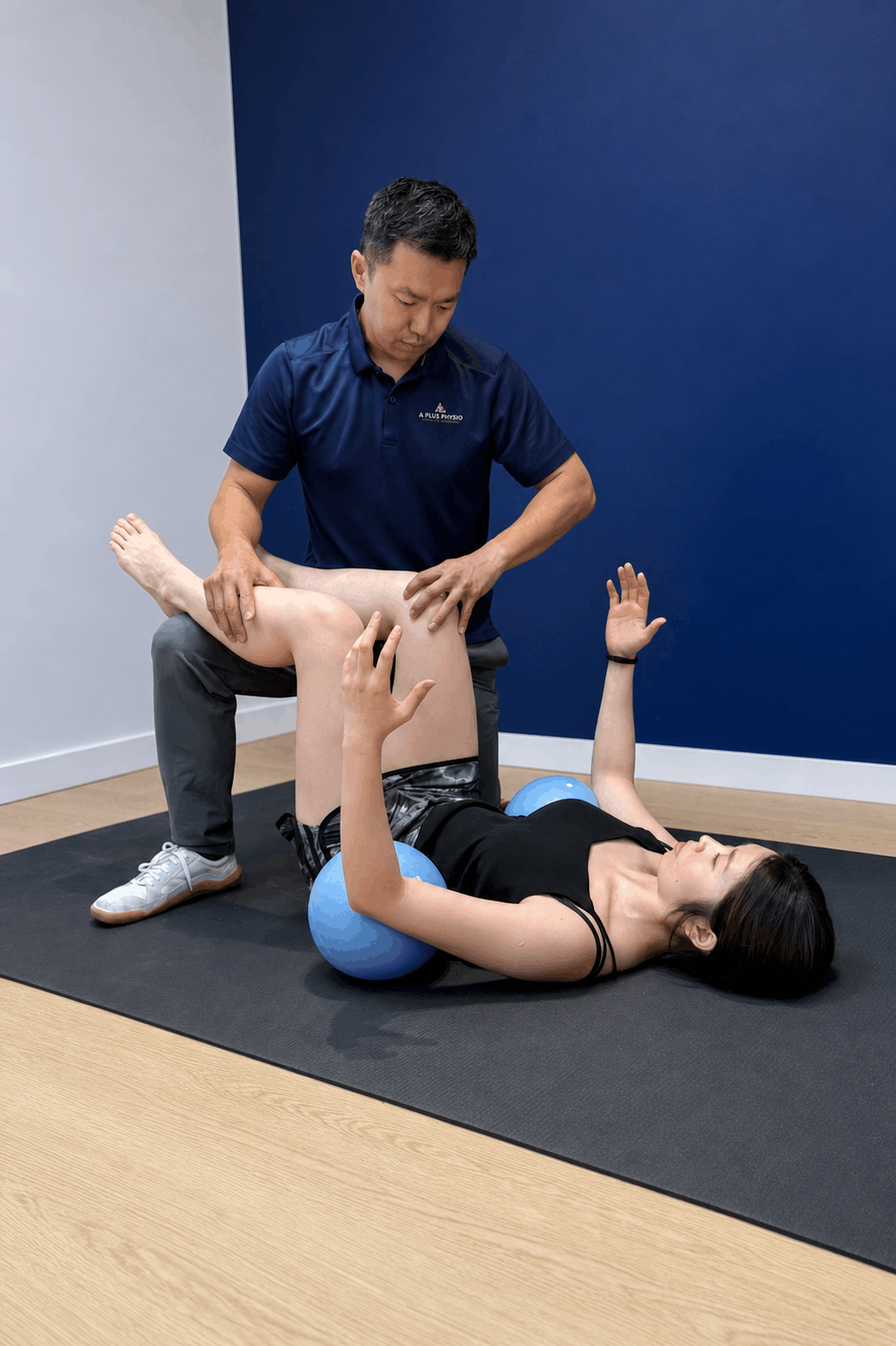
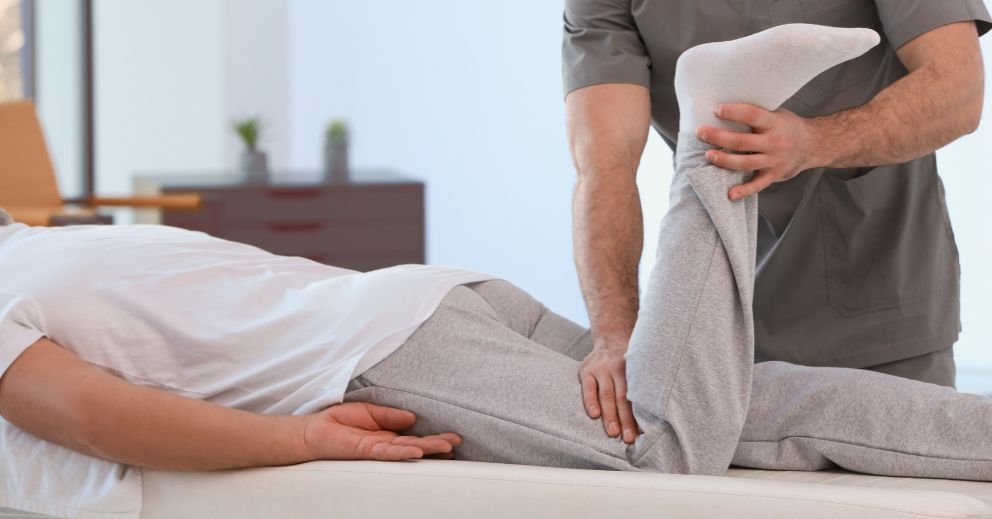
A knee physio assessment looks at how the joint moves under load, along with strength, balance, control, and any activities that consistently trigger pain.
Your program can include progressive strengthening, mobility exercises, technique changes, hands-on treatment, and gradual reintroduction to sport, work, or everyday tasks.
Rather than simply settling symptoms, rehabilitation focuses on building the knee’s ability to handle the movements and loads you need in daily life.
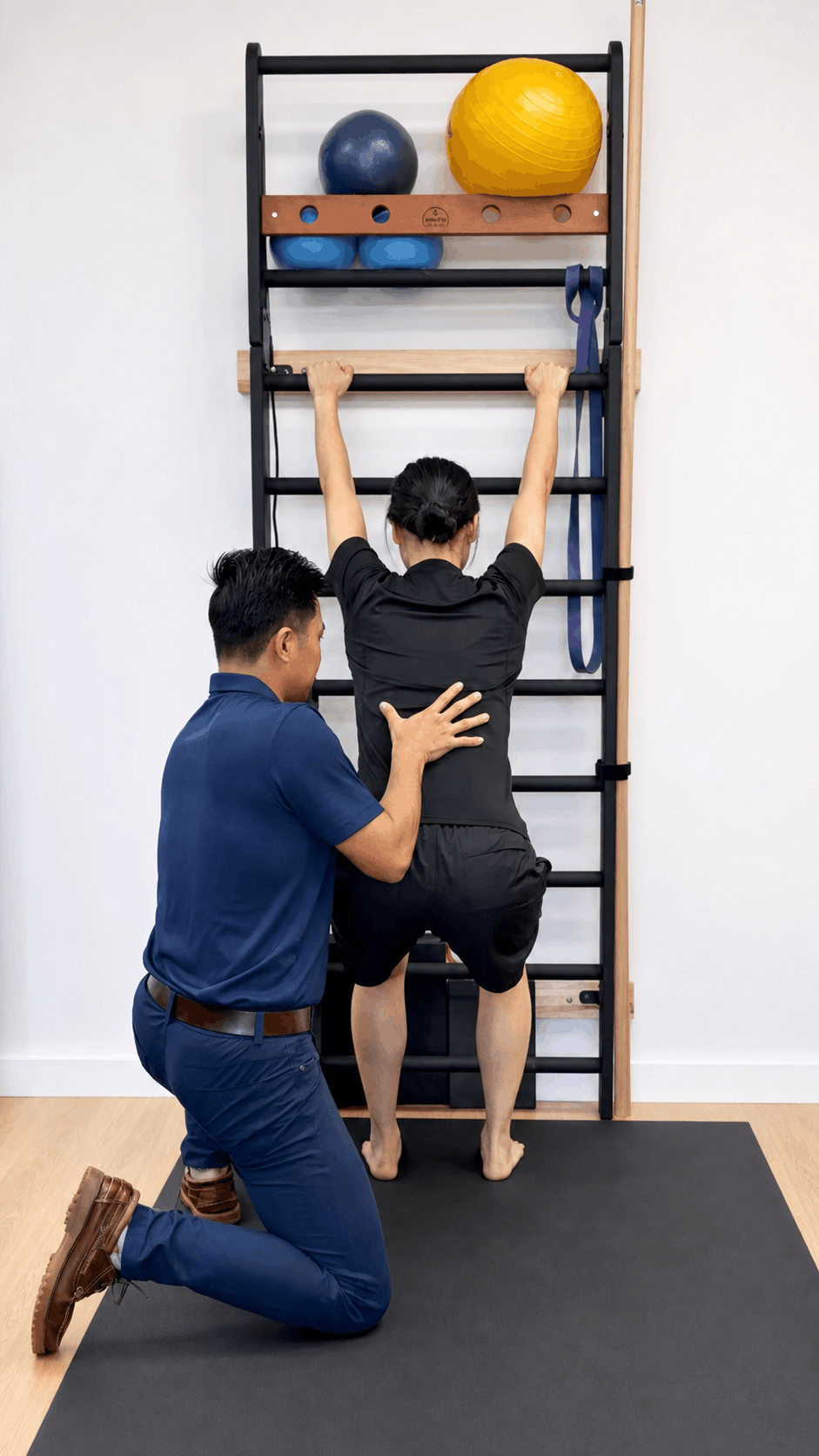
Your recovery starts here.
Recovering from knee pain isn’t just about waiting for it to settle. Gradually rebuilding movement, strength, and tolerance can help your knee feel more reliable again.
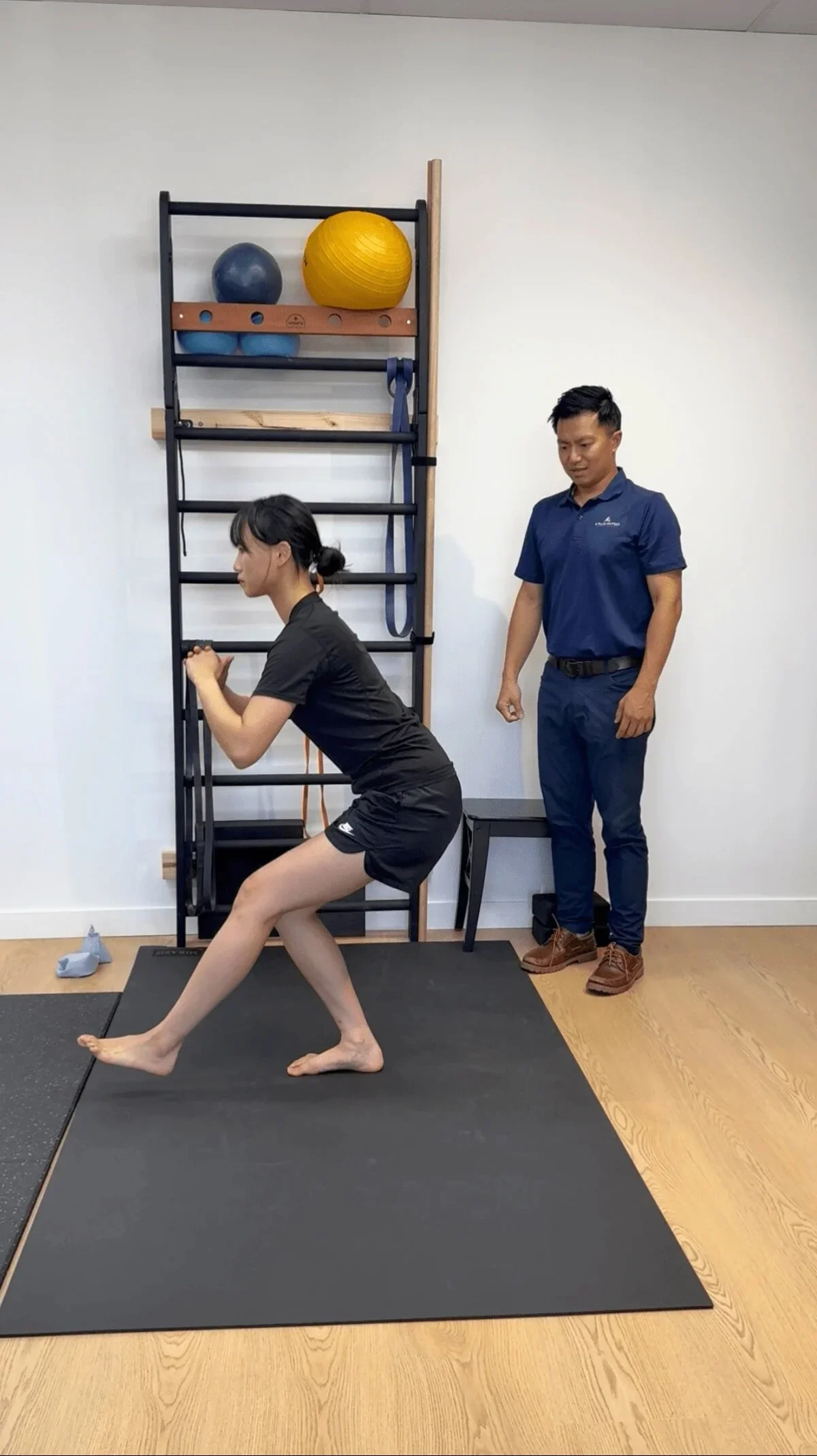
Your sessions may include exercises for leg strength, joint control, balance, and mobility, while gradually improving how your knee handles walking, stairs, running, gym training, and everyday movement.
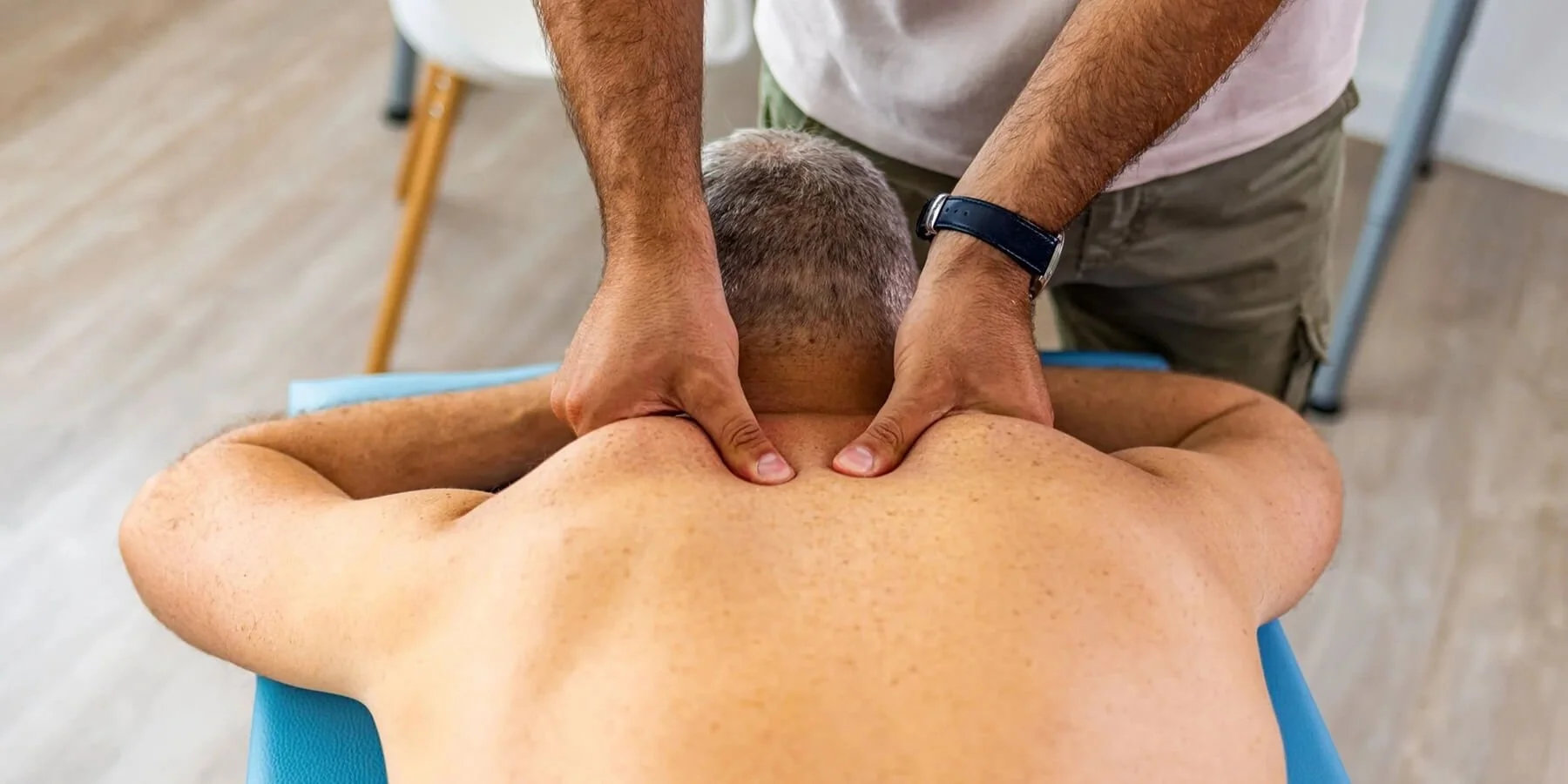
Hands-on techniques may also be used where appropriate, including dry needling, cupping, joint manipulation, or myotherapy to help reduce tension and improve movement.
As your knee becomes more capable, your program progresses with it, helping you return to running, gym work, sport, stairs, and everyday activity.
Knee Physio FAQ
-
Squatting increases the load through the knee joint and surrounding muscles. Pain can develop if the knee is irritated, strength is reduced, or your current squat depth or technique is placing more demand on the area than it can comfortably handle.
-
They can in some cases. The hip muscles help control how your thigh and knee move during walking, running, stairs, and sport. If that control is reduced, the knee may be exposed to extra load during certain movements.
-
Swelling can be the joint’s response to irritation, injury, or a level of activity that exceeds what it currently tolerates. Mild swelling may settle with appropriate load management, while ongoing or significant swelling should be properly assessed.
-
Not necessarily. Training volume can play a part, but running-related knee pain may also involve strength, movement mechanics, recovery, footwear, previous injuries, or a sudden change in pace, distance, or terrain.
-
Recovery time varies depending on the problem, how long symptoms have been present, and what you’re aiming to return to. Some issues improve relatively quickly, while ligament injuries, tendon problems, or post-operative rehabilitation can require a longer progression.
-
A giving-way sensation can happen when pain affects muscle control, when strength is reduced, or after certain ligament or joint injuries. If this keeps happening, it’s worth having the knee assessed to identify what is contributing to the instability.
-
An assessment can be useful when pain is persistent, keeps returning, or starts affecting walking, stairs, exercise, or sport. You should seek more urgent medical care if you can’t put weight through the leg, the knee is badly swollen after an injury, or the joint is locked and won’t move normally.