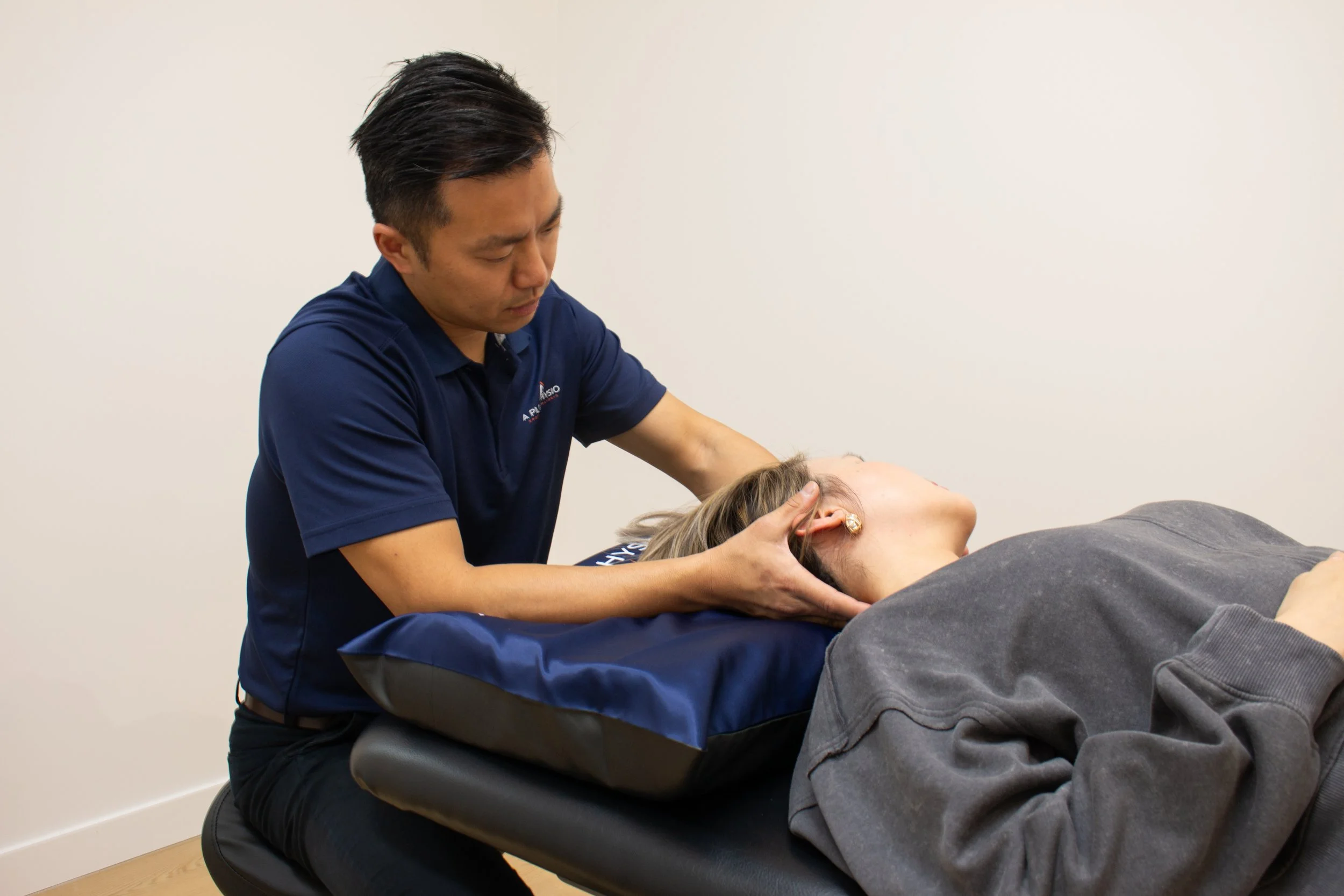
Rated 5.0 by 100+ locals.Neck & Spine Physio for Lasting Pain Relief
Struggling with neck pain or persistent spinal discomfort? A Plus Physiotherapy offers evidence-based treatment that targets the underlying cause of your symptoms, helping relieve discomfort, restore movement, and improve your quality of life.
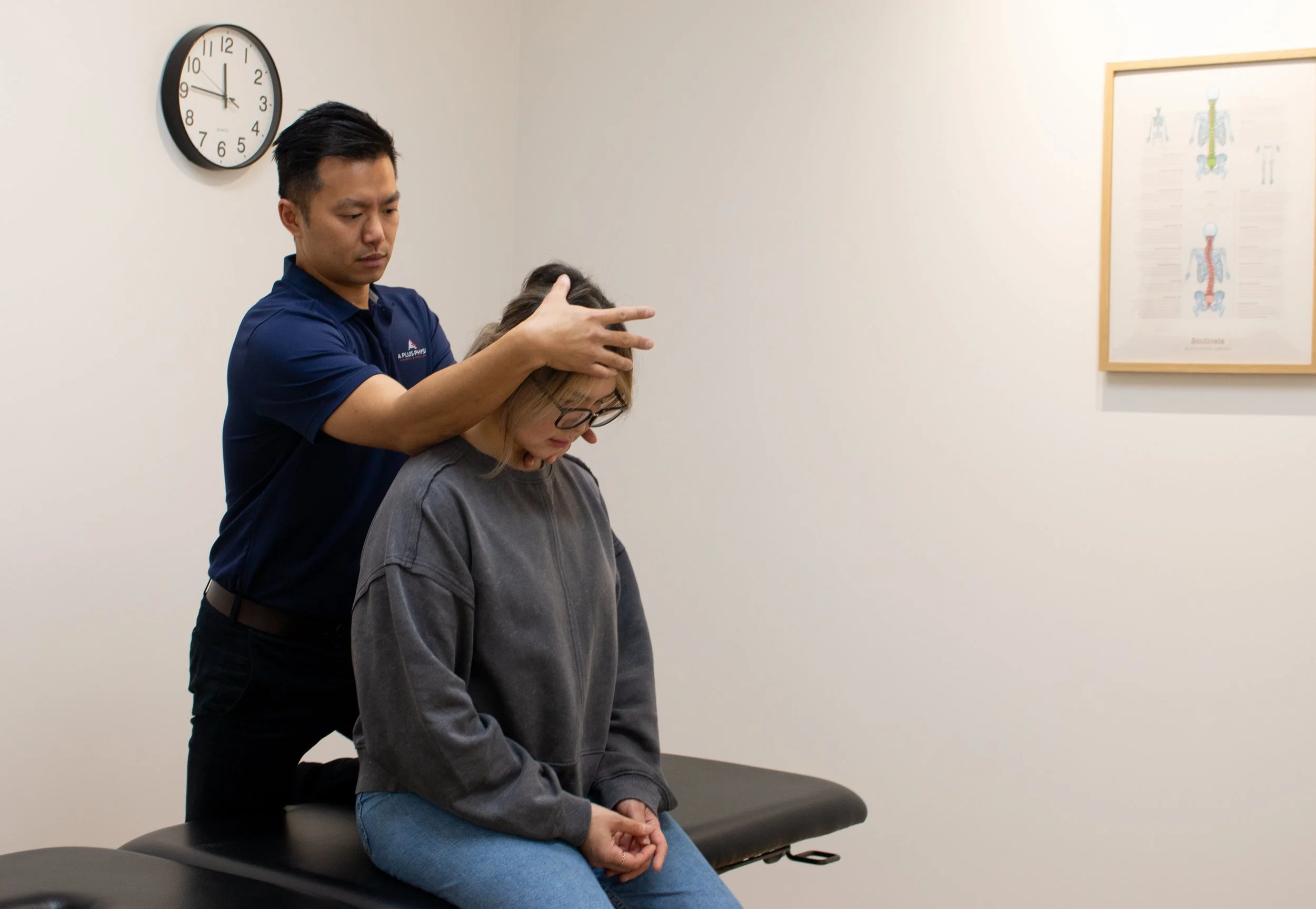
Let's fix your neck and spine pain.
Waking up with a stiff neck or feeling an ache build through your spine isn't something you have to put up with.
These problems often develop gradually from long hours at a desk, poor sleep, or everyday strain, until simple movements become uncomfortable.
At A Plus Physio, we assess how your spine moves, identify the source of your pain, and create a personalised treatment plan to help you move more comfortably.
If your neck or spine has been bothering you for weeks or months, it's worth getting it properly assessed. Book an appointment and let's work out what's driving your discomfort.
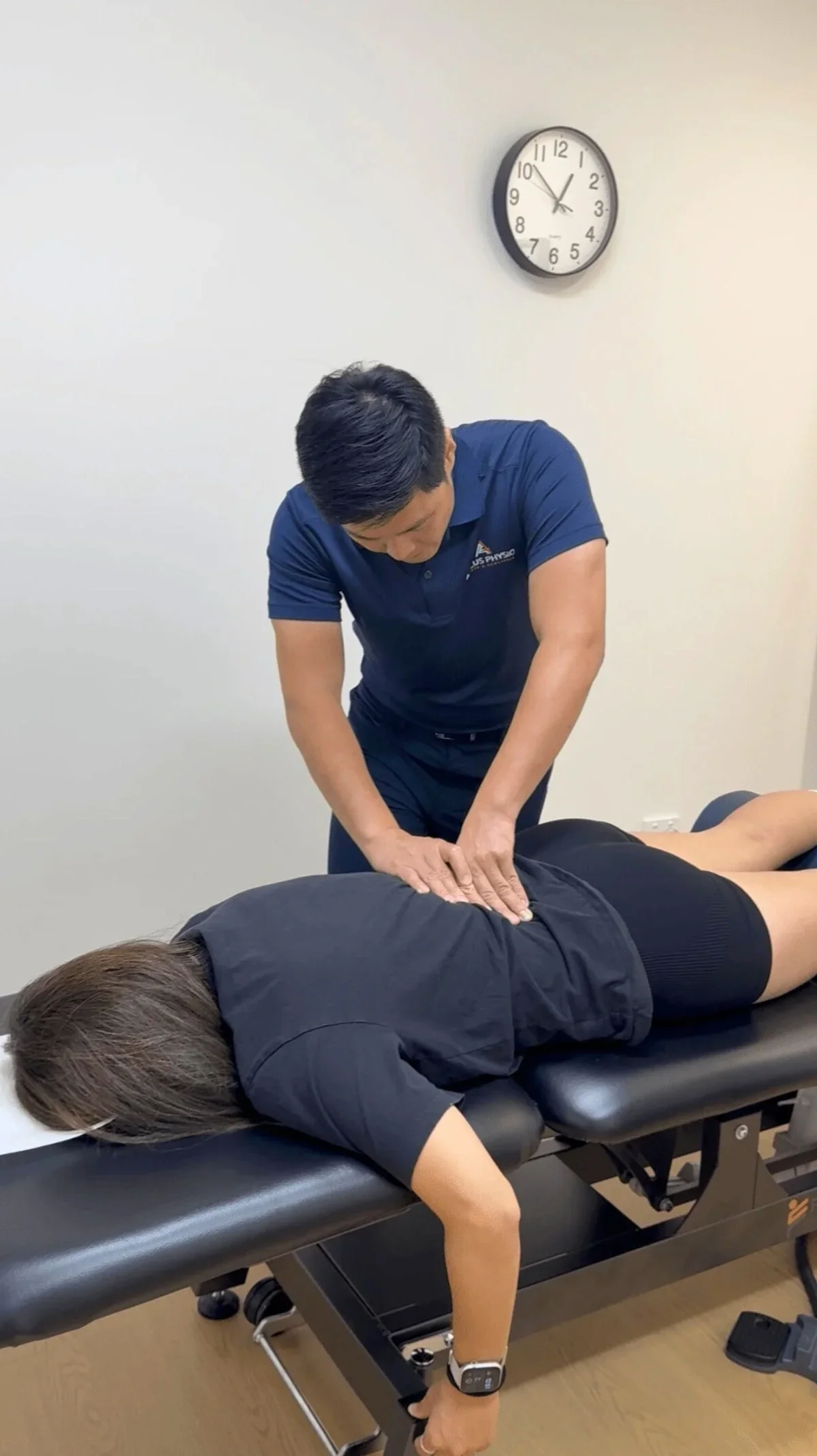
Spine and neck pain explained.
Neck and spine pain can affect how you work, drive, and move through your day, often caused by poor posture, muscle strain, injury, or changes in the spine. Here are the essentials to know:
-
Neck and spine pain can be caused by a range of everyday habits, injuries and physical changes. Common causes include:
Poor posture
Prolonged desk work or screen time
Muscle strain or overuse
Weak core or postural muscles
Previous neck or back injuries
Sleeping in awkward positions
Repetitive movements
Spinal disc or joint changes
Stress-related muscle tension
-
Common symptoms of neck and spine pain include:
Neck stiffness
Pain when turning your head
Upper or lower back pain
Muscle tightness or spasms
Headaches
Pain between the shoulder blades
Reduced range of movement
Pain that spreads into the shoulders or arms
Tingling or numbness in the arms or hands
-
Neck and spine pain is commonly associated with conditions such as:
Muscle strain
Cervical disc bulges
Arthritis of the spine
Facet joint dysfunction
Whiplash injuries
Degenerative disc disease
Spinal stenosis
Poor posture
Scoliosis
Osteoarthritis
-
Your physiotherapist will begin by assessing how your neck and spine move, identifying the structures contributing to your pain and any factors affecting your mobility.
Treatment is tailored to your individual needs and may include hands-on therapy to reduce stiffness, targeted exercises to improve strength and flexibility, and practical advice to support better posture and movement throughout the day.
Our focus is to reduce pain, restore comfortable movement and help you return to your daily activities with greater confidence while lowering the risk of ongoing or recurring symptoms.

Helping you move with confidence.
Our physiotherapists take a hands-on, structured approach to neck and spine care, starting with a thorough look at how your spine is moving and where the restrictions sit.
From there, treatment might involve manual therapy to ease stiff joints, targeted exercises to build strength and control, and dry needling where it's appropriate for stubborn muscle tension.
We also spend time on the practical side: how you're sitting, sleeping, and moving through your day, because small adjustments here can make a real difference to how your spine copes with daily load.
Every plan is built around what we find during your assessment, not a standard template, so the treatment actually matches what's happening in your body.
Spine and Neck Physio FAQ
-
If your neck or spine pain is limiting your movement, interfering with daily activities, or isn't improving after a few days, it's a good idea to book an assessment. Early treatment can help address the cause of your symptoms before they become more persistent.
-
Neck and spine pain can result from poor posture, muscle strain, prolonged sitting, repetitive movements, sporting injuries, arthritis, or changes to the discs and joints of the spine.
A physiotherapist can identify the factors contributing to your pain and develop a treatment plan to address them.
-
Your physiotherapist will discuss your symptoms, medical history and lifestyle before assessing your posture, movement, strength and mobility. Based on your assessment, they'll explain what's contributing to your pain and recommend a personalised treatment plan.
-
Treatment may include hands-on therapy, joint mobilisation, soft tissue techniques, targeted exercises, posture advice and movement education. Your treatment plan will be tailored to your symptoms, goals and the underlying cause of your pain.
-
Yes. Physiotherapy doesn't just focus on relieving pain. It also helps improve strength, flexibility, posture and movement patterns to reduce the likelihood of future flare-ups and support long-term spinal health.
-
The number of sessions varies depending on the cause and severity of your symptoms, as well as your recovery goals. Some people improve within a few appointments, while others with more complex conditions may benefit from ongoing care.
-
No. You can book an appointment directly with a physiotherapist without a referral. If you're claiming through Medicare, WorkCover, TAC, DVA or private health insurance, different requirements may apply depending on your funding arrangement.