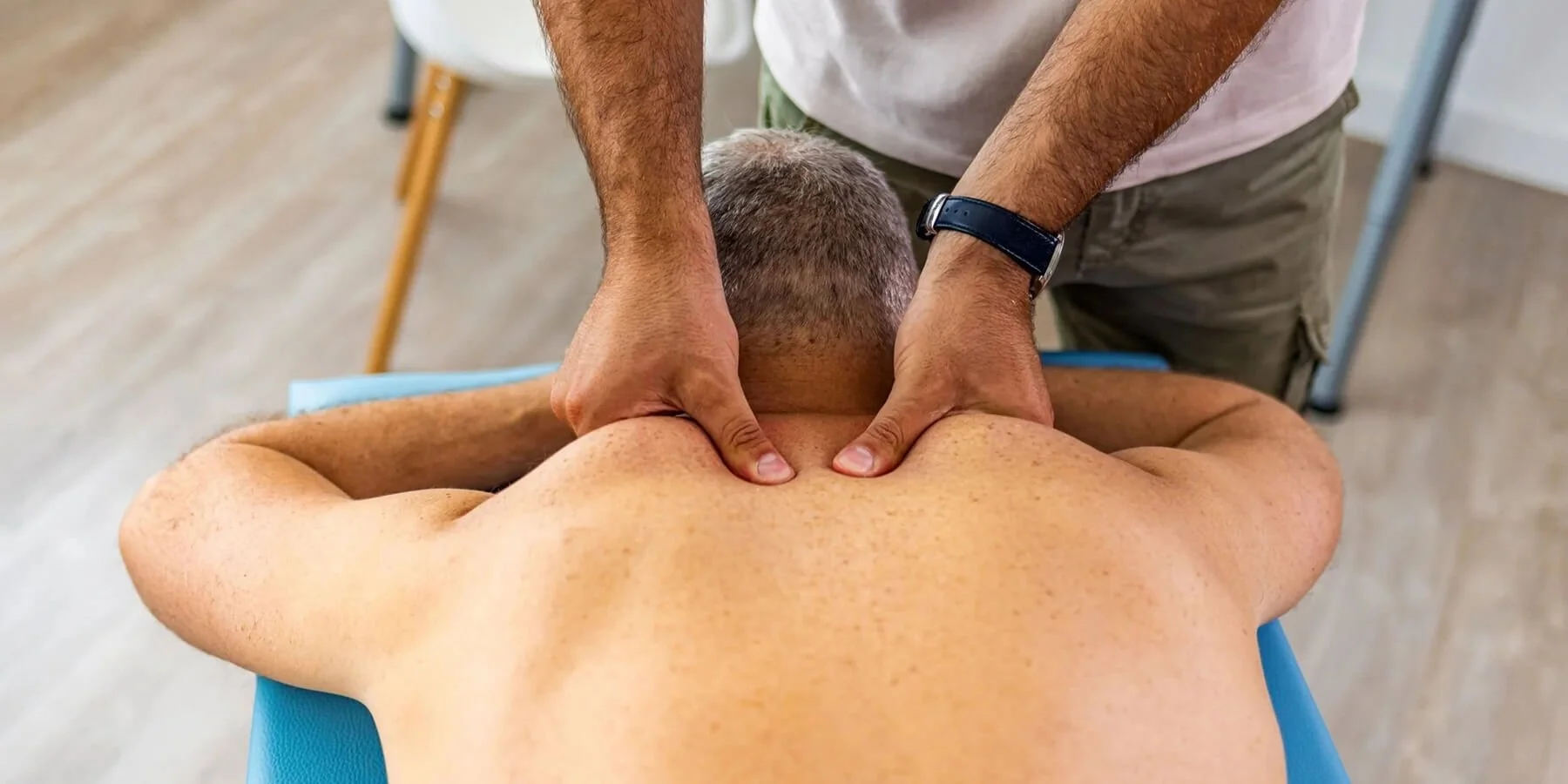
Rated 5.0 by 100+ locals.Osteoarthritis Physio for Joint Pain and Stiffness
Living with stiff, aching joints? Our physiotherapists provide personalised osteoarthritis treatment to help manage discomfort, improve mobility, and make everyday activities easier. We'll help you stay active and move confidently.

Don't let osteoarthritis slow you down.
Osteoarthritis can make everyday activities like walking, climbing stairs, or getting out of a chair harder. Joint pain and stiffness can also make staying active more challenging.
The good news? The right exercises and treatment can help. Osteoarthritis physio focuses on improving joint mobility, building strength, and helping you manage symptoms without giving up the activities you enjoy.
Our physiotherapists take the time to understand how osteoarthritis affects you, identify areas of weakness or restricted movement, and develop a treatment plan suited to your needs.
If aching joints are getting in the way of your daily routine, book an appointment today. We're here to help you move more comfortably and stay active.
Osteoarthritis explained.
Osteoarthritis is a common joint condition involving changes to cartilage, bone, and other tissues within the joint. It most often affects the knees, hips, hands, and spine, although symptoms and their severity can vary considerably between people.
-
Osteoarthritis usually develops through a combination of factors rather than one specific cause. Things that may increase your risk include:
Increasing age
Previous joint injuries
Family history of osteoarthritis
Higher body weight
Repetitive joint loading
Changes in joint structure or alignment
-
Symptoms often develop gradually and may change depending on your activity levels. Common signs include:
Joint pain during or after activity
Stiffness after resting
Reduced flexibility or movement
Swelling around the affected joint
Grinding or clicking sensations
Difficulty with everyday tasks
-
Osteoarthritis can occur in several areas of the body, with some joints more commonly affected than others. These include:
Knee osteoarthritis
Hip osteoarthritis
Hand and finger osteoarthritis
Spinal osteoarthritis
Foot and ankle osteoarthritis
Shoulder osteoarthritis
-
Physiotherapy for osteoarthritis focuses on helping your joints move comfortably and improving the strength of the muscles that support them.
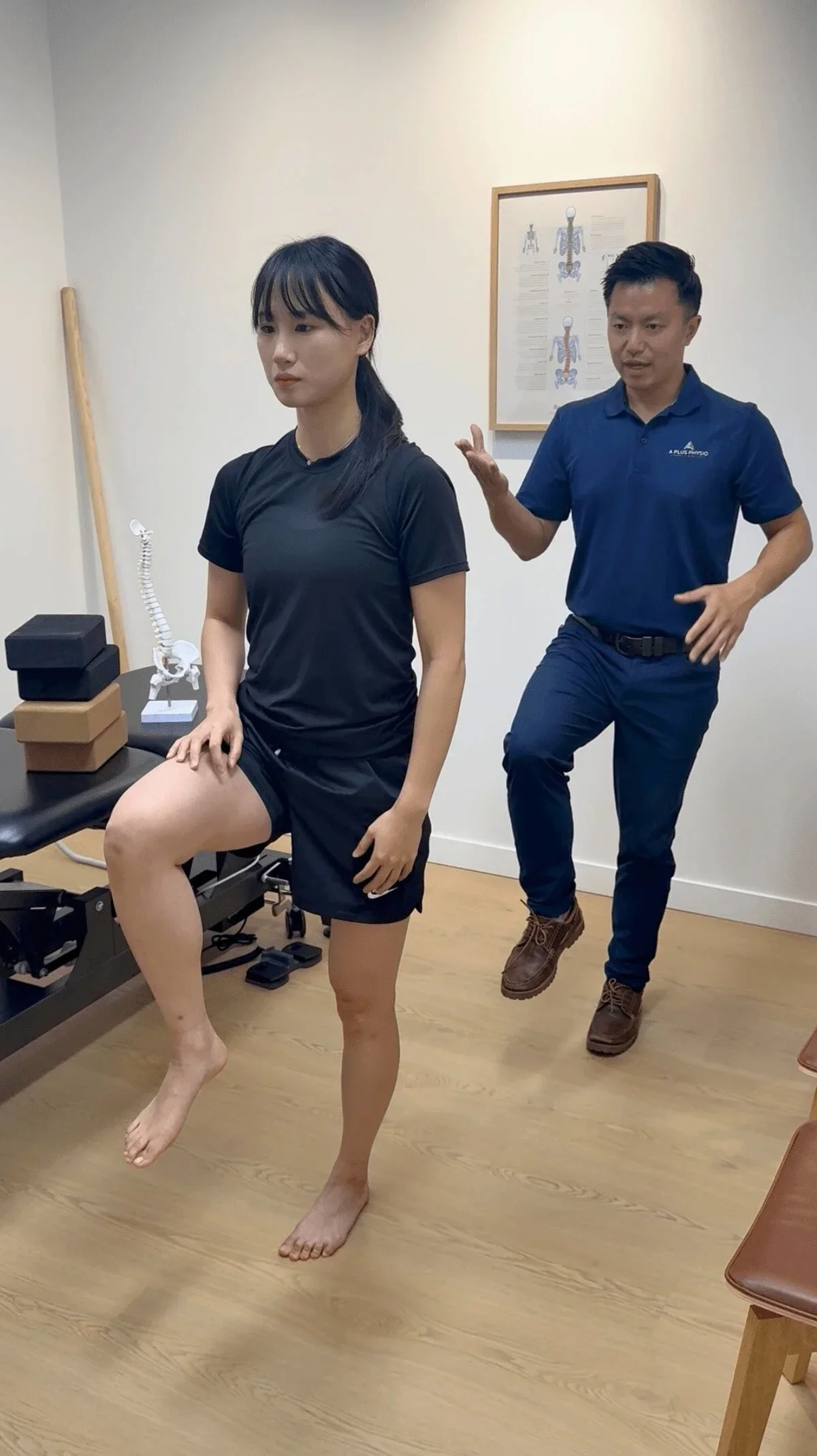
Your physiotherapist will assess your mobility, strength, balance, and the activities that tend to aggravate your symptoms. Treatment may involve progressive strengthening, low-impact exercise, mobility work, and hands-on therapy where appropriate.
You'll also learn how to manage flare-ups, adjust activity levels, and build confidence using your joints without avoiding movement unnecessarily.

Your osteoarthritis recovery matters.
Our approach to osteoarthritis physio focuses on keeping you active while managing joint pain and stiffness. We help you find a comfortable balance between movement, strengthening and rest so you can continue doing the things that matter to you.
Our physiotherapists assess your joint mobility, muscle strength and everyday movement to understand where you need support. Treatment may include gentle exercises, joint mobilisation, soft tissue therapy and balance training to improve comfort and function.
We'll also guide you on pacing activities, managing flare-ups and gradually building strength without overloading your joints. As you progress, we'll adjust your treatment plan to help you stay mobile and manage osteoarthritis long term.
Physio for Osteoarthritis FAQ
-
Yes. Physiotherapy can help reduce pain and stiffness while improving how your joints move. Your physio may recommend strengthening exercises, gentle movement and practical ways to manage daily activities. Although osteoarthritis can't be reversed, the right approach can make symptoms easier to manage.
-
Walking is generally beneficial for osteoarthritis, as it helps keep your joints moving and supports muscle strength. Start with a distance that feels comfortable and build up gradually. If walking causes ongoing discomfort, your physio can help you adjust your routine.
-
You don't need to stop moving completely, but it can help to temporarily reduce activities that aggravate your joints. Gentle movement may ease stiffness while symptoms settle. Your physiotherapist can guide you on when and how to return to your usual exercise routine.
-
Exercise doesn't usually make osteoarthritis worse when it's suited to your ability and progressed gradually. Strengthening the muscles around affected joints can improve support and make daily movements easier. If an exercise causes significant or lasting pain, it may need to be modified.
-
It depends on which joints are affected, your symptoms and what you'd like to achieve. Some people benefit from a few sessions to learn suitable exercises, while others need ongoing guidance. Your physiotherapist will discuss a plan based on your needs and progress.
-
No, you can book directly with a physiotherapist without a GP referral. However, you may need one if you're accessing treatment through certain funding arrangements, such as a Medicare Chronic Disease Management plan. We can help you understand what's required before your appointment.