Rated 5.0 by 100+ locals.Physio for Sciatica and Nerve Pain Relief
Dealing with pain that travels from your lower back into your leg? A Plus Physiotherapy provides personalised treatment, helping reduce irritation, improve movement, and get you back to everyday activities with greater confidence.
Let’s fix your sciatic pain.
Sciatica can make ordinary things like sitting, walking, driving, or getting out of bed far more uncomfortable than they should be.
Symptoms can come and go or build over time, with pain, tingling, numbness, or weakness sometimes travelling from the lower back into the buttock and leg.
At A Plus Physio, our physiotherapists assess your movement, strength, and symptoms to understand what may be irritating the sciatic nerve and what needs attention.
If leg pain is interfering with work, sleep, exercise, or daily life, a proper assessment can help clarify what’s happening and guide the right treatment approach.

Sciatic pain explained.
Sciatica happens when the sciatic nerve becomes irritated or compressed, causing pain or altered sensation through the lower back and leg. Here are the key things to know:
-
Sciatica can develop for several reasons, including:
Lumbar disc bulges or herniation
Spinal stenosis
Degenerative changes in the lower back
Inflammation around a spinal nerve
Joint or disc irritation
Prolonged sitting
Repetitive bending or lifting
Sudden increases in physical activity
Previous lower back injuries
-
Common symptoms of sciatica can include:
Pain through the buttock and leg
Lower back pain
Tingling or pins and needles
Numbness in the leg or foot
Burning or sharp pain
Weakness in the affected leg
Pain when sitting for long periods
Discomfort when bending or lifting
Symptoms that travel below the knee
-
Sciatic nerve symptoms may be associated with conditions such as:
Lumbar disc bulges
Herniated discs
Spinal stenosis
Degenerative disc changes
Osteoarthritis of the spine
Spondylolisthesis
Lumbar joint irritation
Nerve root compression
Lower back injuries
Age-related spinal changes
-
Your physiotherapist will first assess your lower back, leg movement, strength, and nerve-related symptoms to understand what may be contributing to your pain.
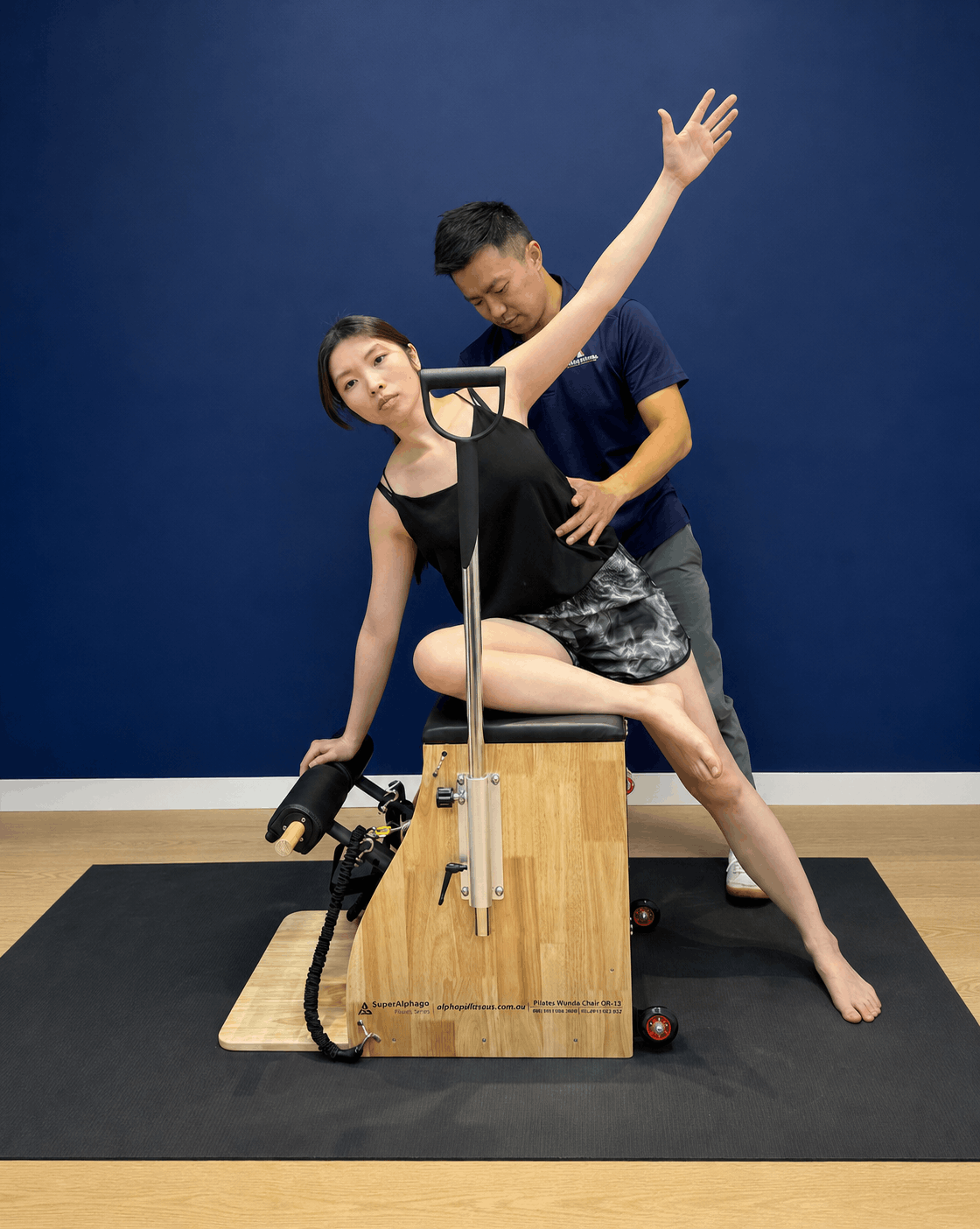
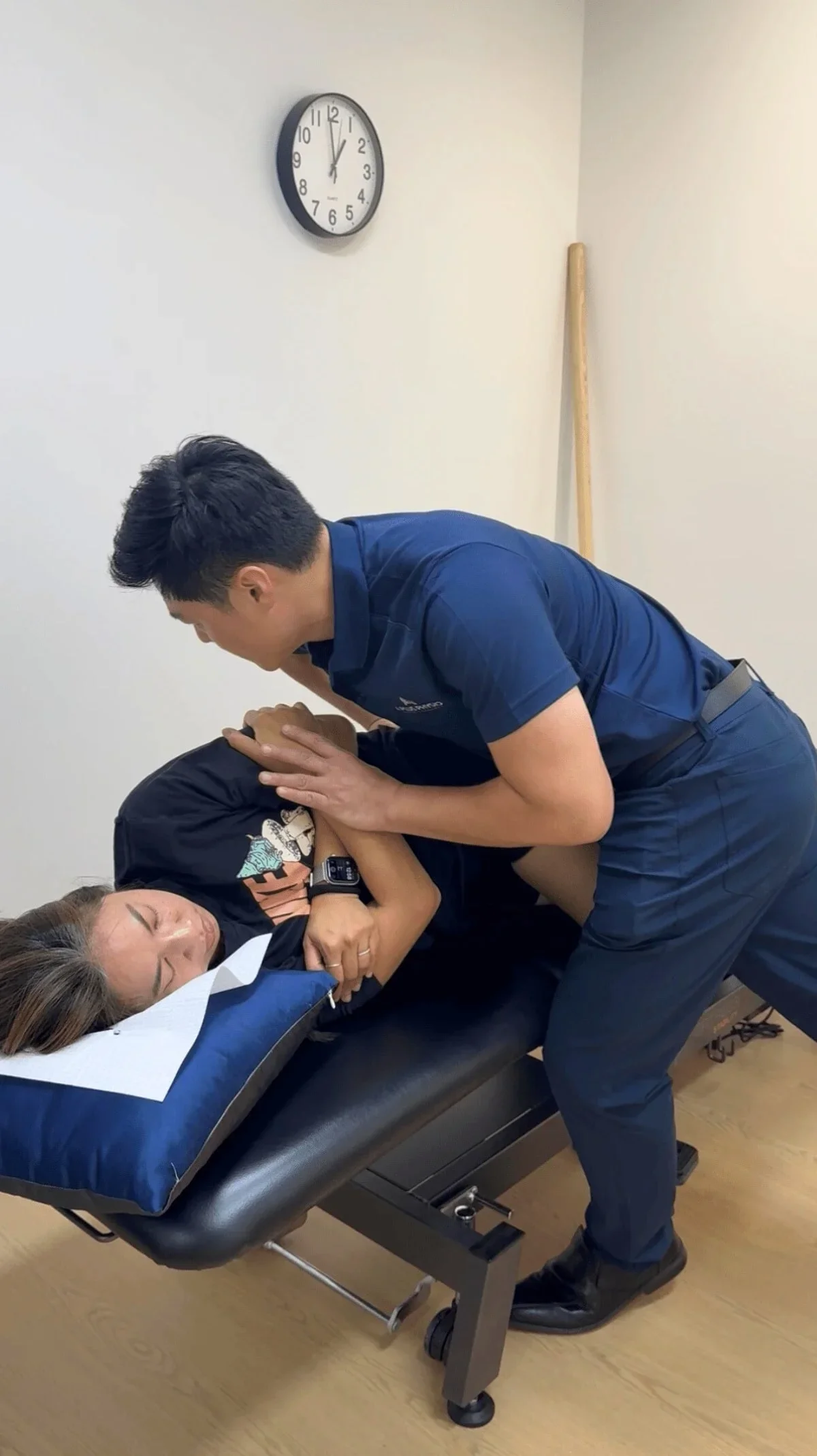
Treatment is tailored to your presentation and may include targeted exercises, mobility work, strength training, hands-on therapy, and advice on sitting, lifting, and everyday movement.
The goal is to reduce irritation, improve movement and strength, and help you return to daily activities with more confidence.

Your recovery is our priority.
Sciatica treatment starts with understanding your symptoms properly, including where the pain travels, which movements trigger it, and how it is affecting your normal routine.
Your physiotherapist may use a combination of guided exercise, mobility work, strength training, and hands-on techniques where appropriate to help settle irritation and restore comfortable movement.
We’ll also look at the activities that matter in your day, whether that means sitting at work, lifting, exercising, driving, or simply getting through the morning without your leg flaring up.
Your treatment plan is shaped around what we find during your assessment and how your symptoms respond, rather than following the same routine for every person.
Sciatica Physiotherapy FAQ
-
Complete rest usually isn’t necessary for most cases, but the right amount and type of movement will depend on your symptoms. Gentle activity may be more comfortable than staying in one position for long periods. A physiotherapist can help you work out which movements are suitable and which ones may need to be temporarily modified.
-
The nerves that form the sciatic nerve travel from the lower back down through the leg. When one of these nerves is irritated, symptoms can sometimes be felt further along its pathway, including the calf, foot, or toes. The exact location can provide useful information during your assessment.
-
It can for some people. Certain sitting positions or spending a long time without changing posture may increase symptoms, particularly when the lower back or affected nerve is sensitive. Adjusting your position and taking regular movement breaks may help, depending on what is contributing to your pain.
-
Many people with sciatica are managed without surgery, although recovery varies depending on the cause and severity of the symptoms. Physiotherapy can form part of conservative management by helping improve movement, strength, function, and confidence with everyday activity.
-
Exercise can still be useful, but it needs to suit your current symptoms. Some exercises may feel comfortable while others can increase leg pain or tingling. A physiotherapist can assess how your symptoms respond to movement and prescribe exercises that are appropriate for your presentation.
-
Seek urgent medical care if symptoms are accompanied by new problems controlling your bladder or bowel, numbness around the groin or saddle area, or significant or rapidly worsening weakness in the legs. These symptoms need prompt medical assessment rather than routine physiotherapy care.
-
Not every pain that travels into the leg is caused by the sciatic nerve. Muscles, joints, tendons, and other structures can create similar symptoms. A physiotherapy assessment can look at your movement, strength, neurological signs, and symptom pattern to help determine what may be contributing to your pain.