
Rated 5.0 by 100+ locals.Shoulder Physio That Restores Movement
Shoulder pain holding you back? Our shoulder physio identifies what's limiting your movement, treats the underlying cause, and helps rebuild strength so you can move with greater confidence.
Let's fix your shoulder pain.
Shoulder pain can make simple movements like reaching, lifting, or sleeping on your side uncomfortable.
These problems are often caused by rotator cuff injuries, frozen shoulder, tendon irritation, muscle weakness, or changes in the way your shoulder moves over time.
At A Plus Physio, we assess how your shoulder moves, identify what's contributing to your pain, and create a personalised treatment plan to restore strength, mobility and function.
If shoulder pain has been limiting you for weeks or months, don't ignore it. Book an appointment today and let's find the cause of your discomfort so you can get back to moving with confidence.

Shoulder pain explained.
Shoulder pain can limit how comfortably you move throughout the day, whether you're working, exercising, or sleeping. It's commonly linked to tendon injuries, muscle weakness, joint stiffness, or overuse. Here are the essentials to know:
-
Shoulder pain can develop for many different reasons. Common causes include:
Rotator cuff injuries
Shoulder impingement
Frozen shoulder
Tendon irritation
Muscle strain
Repetitive overhead movements
Poor posture
Joint instability
Sporting or workplace injuries
-
Shoulder pain can present in different ways depending on the underlying cause. Common symptoms include:
Pain when lifting or reaching overhead
Stiffness or reduced range of movement
Weakness in the shoulder or arm
Pain when sleeping on the affected side
Clicking or catching sensations
Difficulty lifting or carrying objects
Pain that spreads into the upper arm
Sharp pain with certain movements
Ongoing aches or discomfort
-
Shoulder pain is commonly associated with conditions such as:
Rotator cuff tears
Shoulder impingement syndrome
Frozen shoulder (adhesive capsulitis)
Shoulder bursitis
Rotator cuff tendinopathy
Shoulder instability
Osteoarthritis
Labral tears
Calcific tendinopathy
-
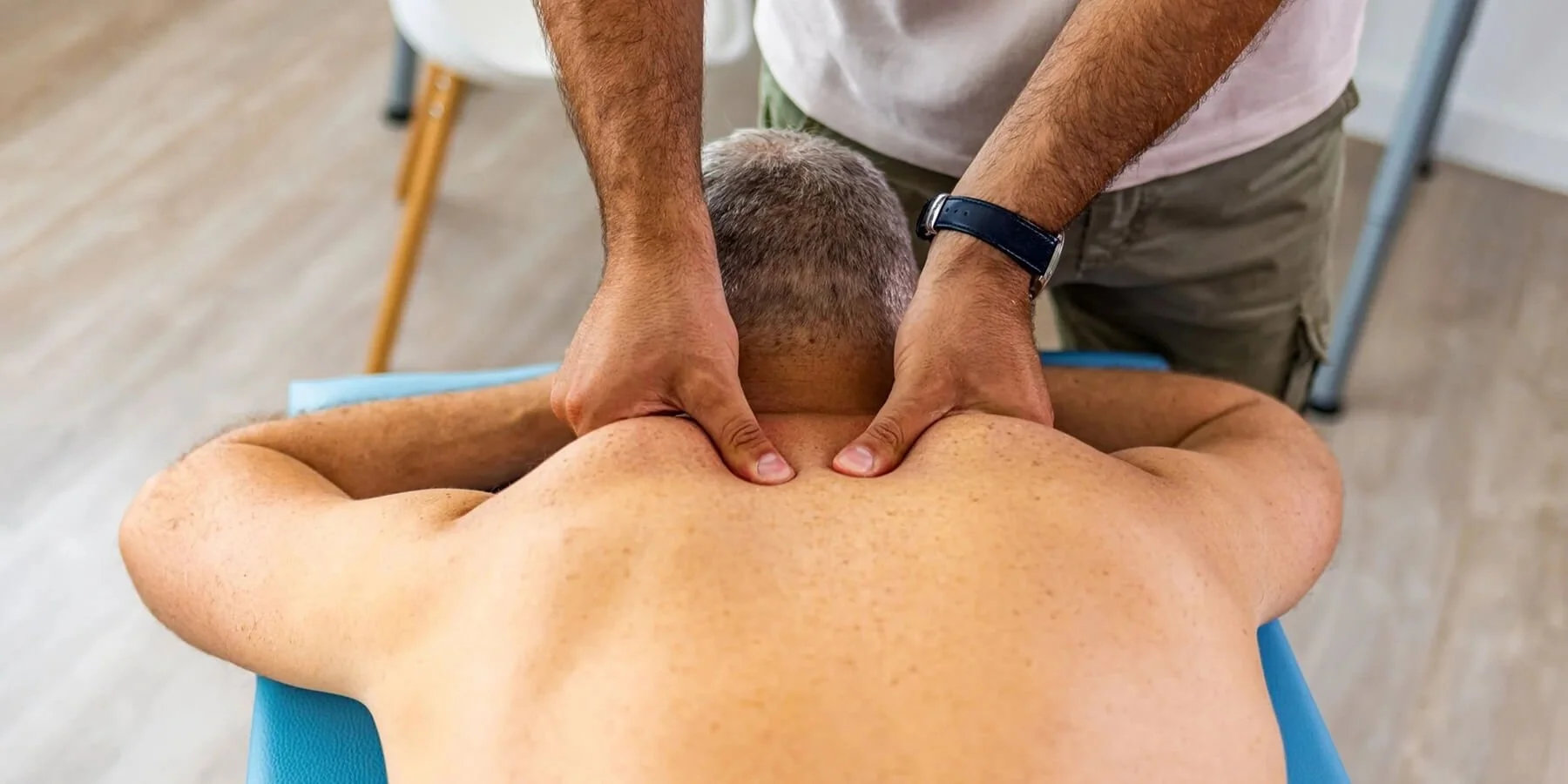
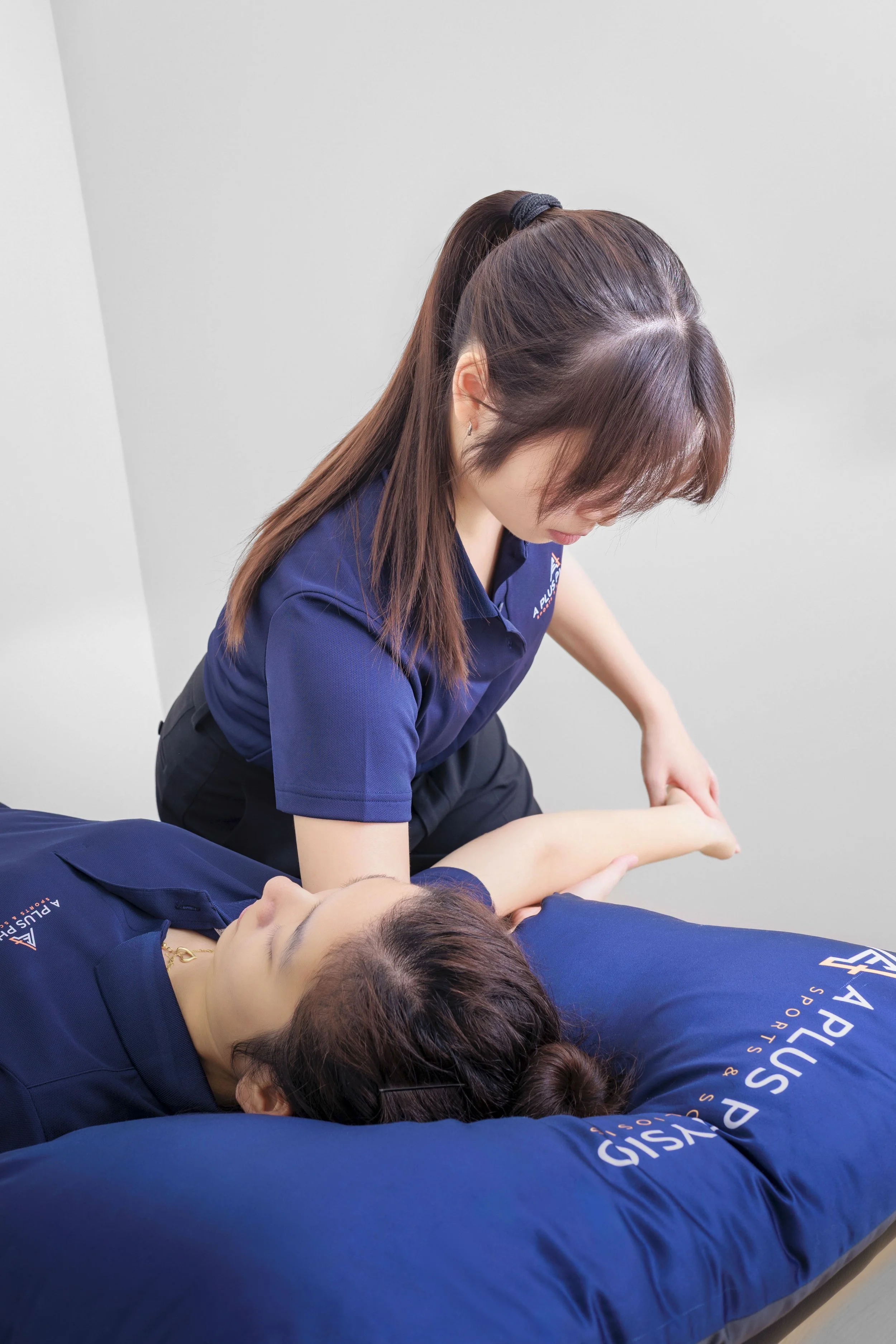
Your physiotherapist will assess how your shoulder moves, identify the source of your pain, and determine which structures are contributing to your symptoms.
Treatment may include hands-on therapy to improve mobility, targeted exercises to restore strength and control, and advice on posture, activity modification and movement. Where appropriate, dry needling may also be used to help reduce muscle tension and discomfort.
Our goal is to relieve pain, restore comfortable shoulder function, and help you return to work, sport and everyday activities with greater confidence.

Your recovery starts here.
Getting your shoulder moving well again means working through a clear progression, not jumping straight to exercises. We start with reducing pain and protecting irritated tissue, then move into restoring full range of motion through manual therapy and guided stretching.
Once movement improves, the focus shifts to rebuilding strength in the rotator cuff and shoulder blade muscles, since weakness here is often what allows the original problem to return.
We also look at how you're using your shoulder day to day, whether that's lifting at work, training in the gym, or reaching for something on a high shelf, and adjust technique where needed. Each stage is tracked against your progress, not a fixed timeline, so treatment keeps pace with how your shoulder actually responds.
Shoulder Physio FAQ
-
Not usually. Most shoulder conditions can be assessed clinically through movement testing and a detailed history, without needing imaging first.
Scans are more useful when symptoms are severe, not improving as expected, or there's suspicion of a significant tear. Your physiotherapist will let you know if a referral for imaging seems appropriate based on your assessment findings.
-
Pain when lifting your arm is often linked to conditions such as shoulder impingement, rotator cuff injuries or tendon irritation.
A physiotherapist can assess how your shoulder is moving to identify the cause and recommend the most appropriate treatment.
-
In many cases, yes. Physiotherapy can effectively manage a range of shoulder conditions by improving strength, mobility and movement patterns.
While some injuries may require surgical treatment, many people experience significant improvement with conservative physiotherapy.
-
Recovery time depends on the cause and severity of your condition. Mild shoulder injuries may improve within a few weeks, while more complex issues such as frozen shoulder or rotator cuff injuries can take longer. Your physiotherapist will guide you through a treatment plan based on your recovery goals.
-
It depends on the type of injury. Complete rest isn't always the best option, but continuing activities that aggravate your symptoms can delay recovery. Your physiotherapist will advise which movements are safe and provide exercises to help you stay active while your shoulder heals.
-
Yes. Shoulder conditions can sometimes cause pain that travels into the upper arm, neck or shoulder blade. Because several conditions share similar symptoms, a thorough assessment is important to determine where the pain is coming from and how best to treat it.
-
Physiotherapy can help manage a wide range of shoulder conditions, including rotator cuff injuries, frozen shoulder, shoulder impingement, bursitis, tendinopathy, shoulder instability, arthritis and recovery following shoulder surgery or injury. Treatment is tailored to your symptoms, lifestyle and goals.