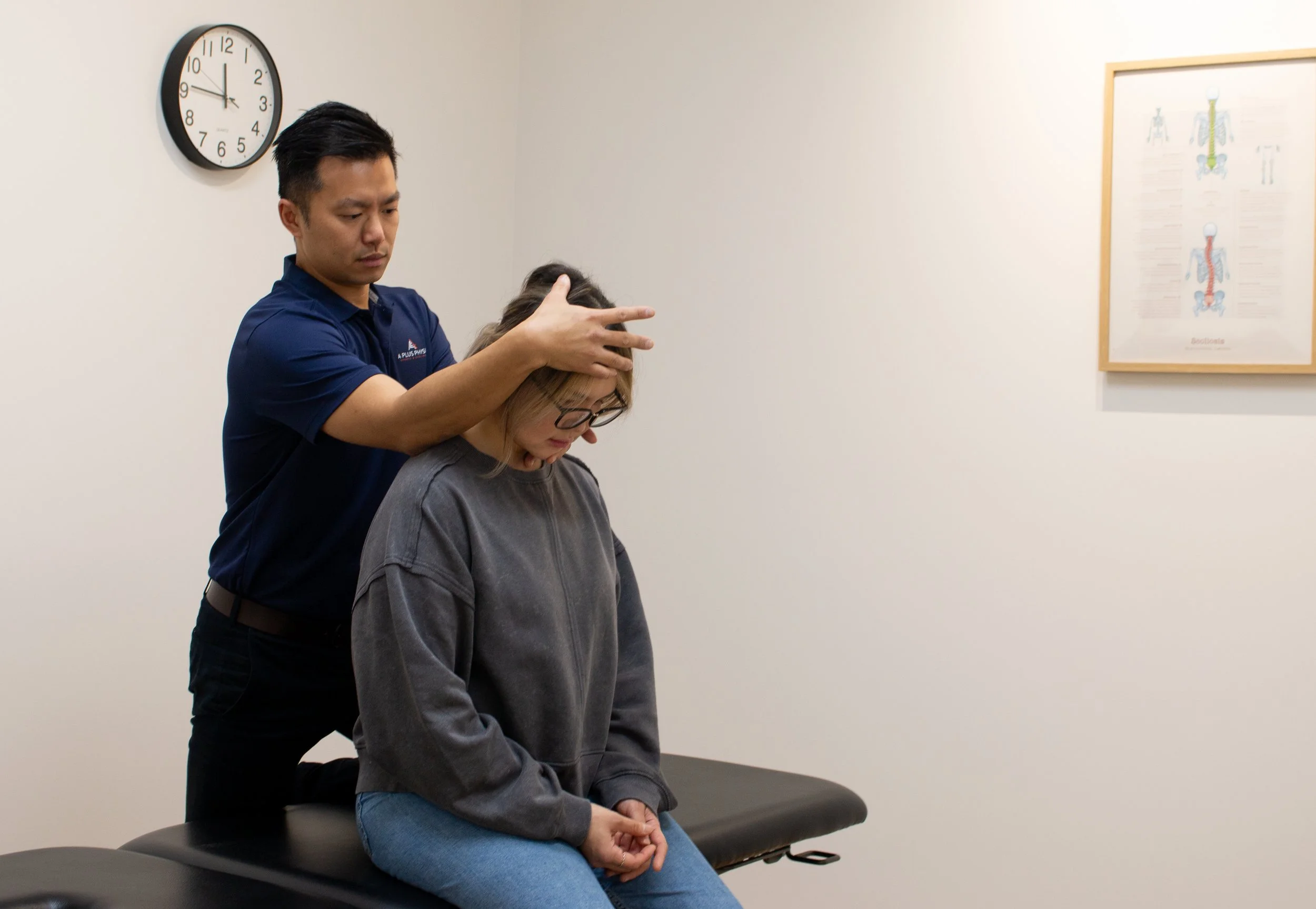
Rated 5.0 by 100+ locals.Vestibular Physio to Ease Dizziness and Vertigo
Feeling dizzy, unsteady, or experiencing vertigo? Our vestibular physio helps manage dizziness, improve balance, and reduce discomfort during everyday movements, so you can feel steadier and more confident going about your day.
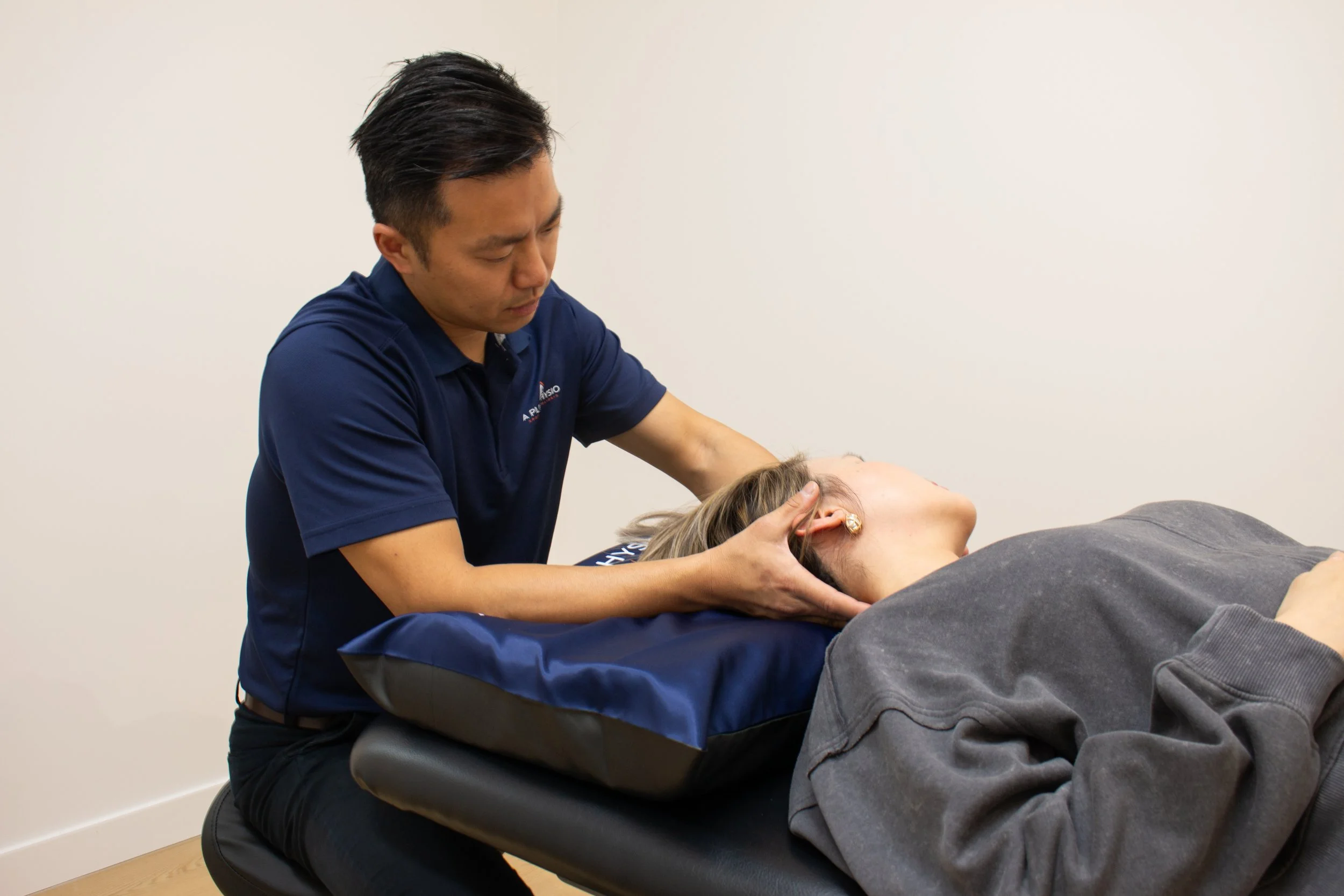
Dizziness doesn’t have to hold you back.
Dizziness can catch you off guard. One moment you're feeling fine, and the next, turning your head or getting out of bed leaves you feeling like everything around you is moving.
Sometimes, the problem comes from your vestibular system, a part of your inner ear that helps you stay balanced and keep your vision steady when you move.
When this system is affected, everyday activities like walking, driving, shopping, or exercising can become uncomfortable or difficult.
Vestibular physio involves specific tests to understand what's happening and identify which movements or positions are bringing on your symptoms.
If dizziness is getting in the way of your routine, we're here to help you understand what's going on and find a suitable way forward.
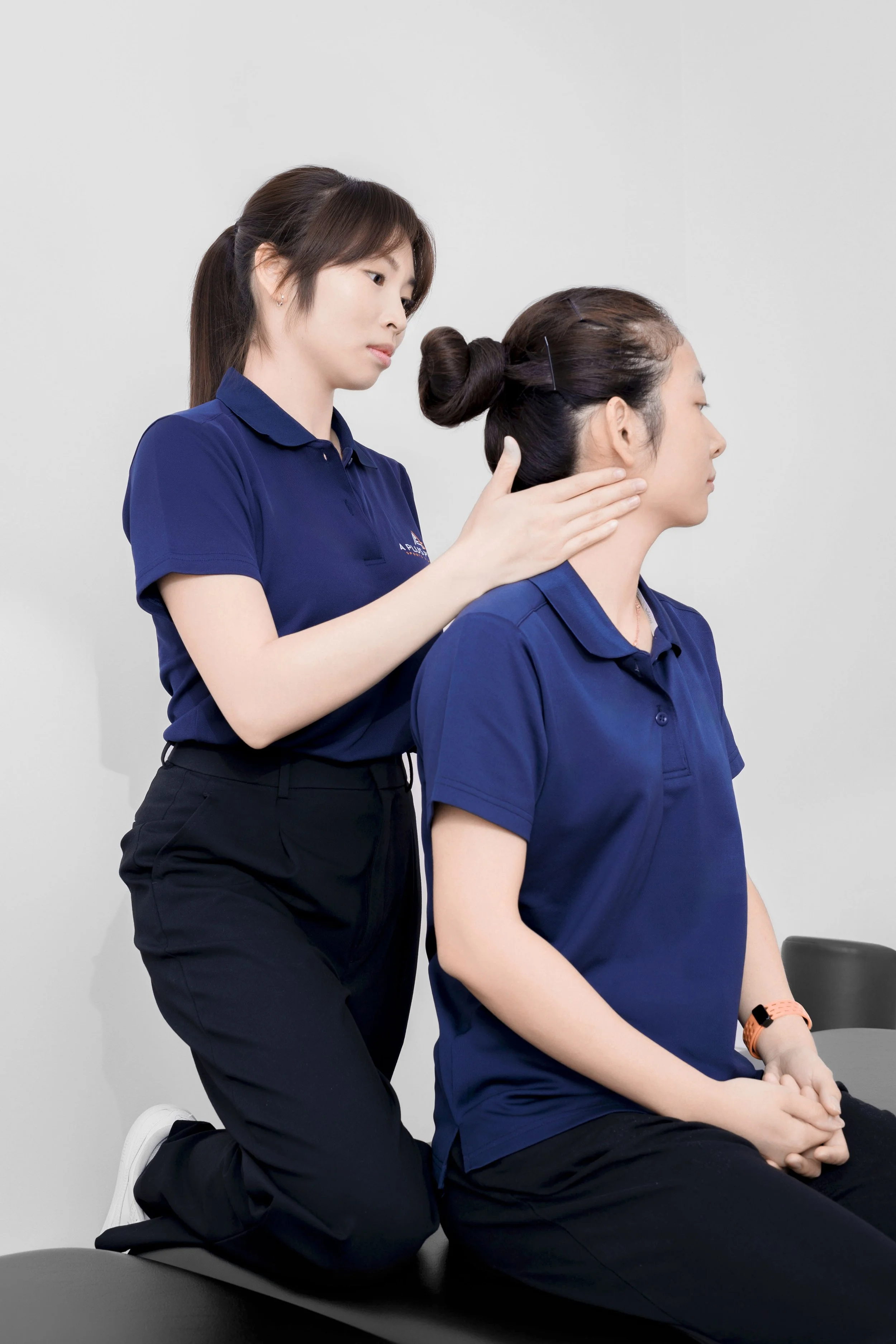
Vestibular conditions explained.
Dizziness and balance problems can affect your everyday activities. Understanding what’s causing your symptoms is the first step towards finding the right treatment.
-
Several conditions can interfere with your balance system, sometimes appearing suddenly or following an illness or injury. These include:
Displaced crystals within the inner ear
Inflammation of the vestibular nerve
Viral infections affecting the inner ear
Head trauma or concussion
Vestibular migraine
Age-related changes in balance function
-
Not everyone experiences dizziness in the same way. Depending on the cause, you might notice the following symptoms:
A spinning feeling when moving your head
Feeling light-headed or off-balance
Difficulty walking in a straight line
Vision that seems to bounce or shift
Nausea during certain movements
Discomfort in busy or crowded places
-
Physiotherapy can assist with a range of vestibular and balance-related conditions, including:
Benign paroxysmal positional vertigo (BPPV)
Vestibular neuritis
Labyrinthitis
Vestibular hypofunction
Persistent postural-perceptual dizziness (PPPD)
Vestibular migraine
-
Your physiotherapist will use specific tests to observe how your eyes, head movements, and balance respond to different positions. This helps determine which part of your vestibular system may be affected.
For BPPV, treatment may involve repositioning manoeuvres that help move displaced crystals out of the affected inner ear canal. Other conditions may require exercises that train your eyes and balance system to respond more effectively to movement.
The aim is to reduce dizziness where possible, improve your stability, and help you feel more comfortable with activities that currently bring on your symptoms.

Your recovery is our priority.
Managing a vestibular condition starts with understanding what's causing your dizziness. Treatment will depend on your symptoms, with exercises and techniques chosen to help you feel more comfortable and steady.
Depending on your condition, treatment may include repositioning manoeuvres, gaze stabilisation exercises, balance training, and gradual exposure to movements that trigger dizziness.
As you progress, we'll introduce exercises that challenge your balance and coordination. This can help you feel more confident when walking outdoors, turning your head, or moving through busy environments.
We'll also monitor how you respond to treatment, adjusting your exercises and their difficulty as your balance improves and symptoms become more manageable.
Vestibular Physio FAQ
-
Your first appointment may take around 30 to 60 minutes, depending on the assessment required. Follow-up sessions are often shorter and focus on reviewing your symptoms, providing treatment, and progressing your exercises. Appointment lengths can vary between clinics.
-
Your physiotherapist will ask about your dizziness, medical history, and activities that trigger your symptoms. They'll then assess your balance, eye movements, and responses to different head positions before discussing suitable treatment options.
-
Yes, vestibular physiotherapy can help with dizziness caused by certain inner ear and balance disorders. Your physiotherapist will assess your symptoms to identify possible causes and determine whether vestibular rehabilitation is suitable for you. Some types of dizziness may require further medical investigation.
-
Dizziness can describe feeling light-headed, faint, or unsteady, while vertigo involves a sensation that you or your surroundings are spinning or moving. Although they're often used interchangeably, understanding the difference can help identify what's causing your symptoms.
-
Your first appointment usually involves discussing your symptoms and checking your balance, eye movements, and responses to different head positions. Depending on the findings, your physiotherapist may recommend repositioning manoeuvres, balance exercises, or other vestibular rehabilitation techniques.
-
The number of sessions depends on your condition and how you respond to treatment. Some people with BPPV improve after one or two appointments, while other vestibular disorders may require several weeks of rehabilitation. Your physiotherapist will review your progress and adjust your treatment accordingly.
-
Yes. Your vestibular system helps keep your vision stable when you move your head. When it's affected, you might experience blurred vision, difficulty focusing, or a sensation that objects are bouncing. Gaze stabilisation exercises may help improve these symptoms.
-
Some exercises may temporarily bring on mild dizziness as your balance system adapts to movement. This can be a normal part of rehabilitation, but symptoms should remain manageable. Your physiotherapist will adjust the exercises based on your response.