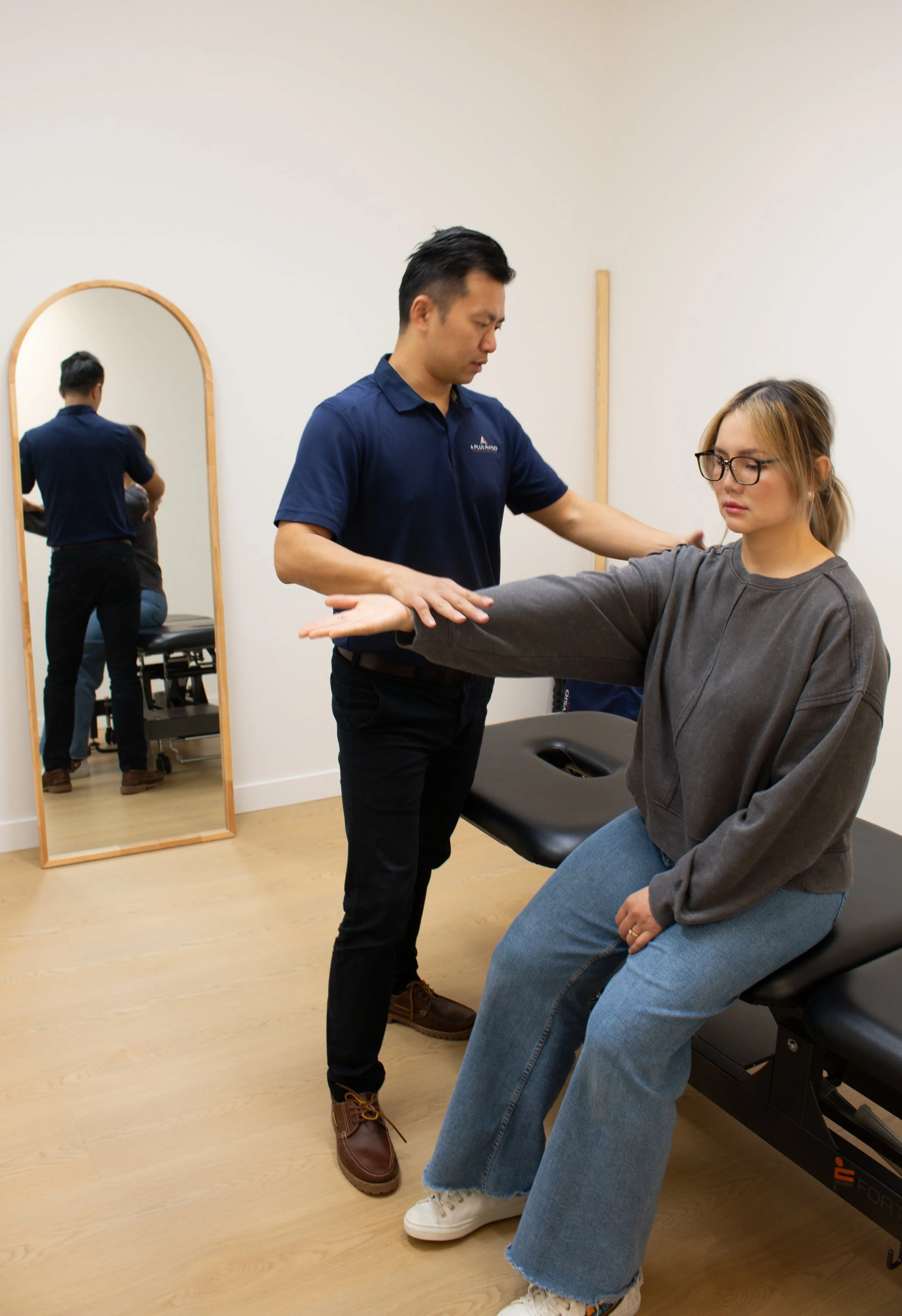
Rated 5.0 by 100+ locals.Wrist & Elbow Physio for Better Movement
Struggling with wrist or elbow pain that flares up with typing, lifting, or gripping? A Plus Physiotherapy gets to the source of the problem so you can use your hands and arms without wincing.
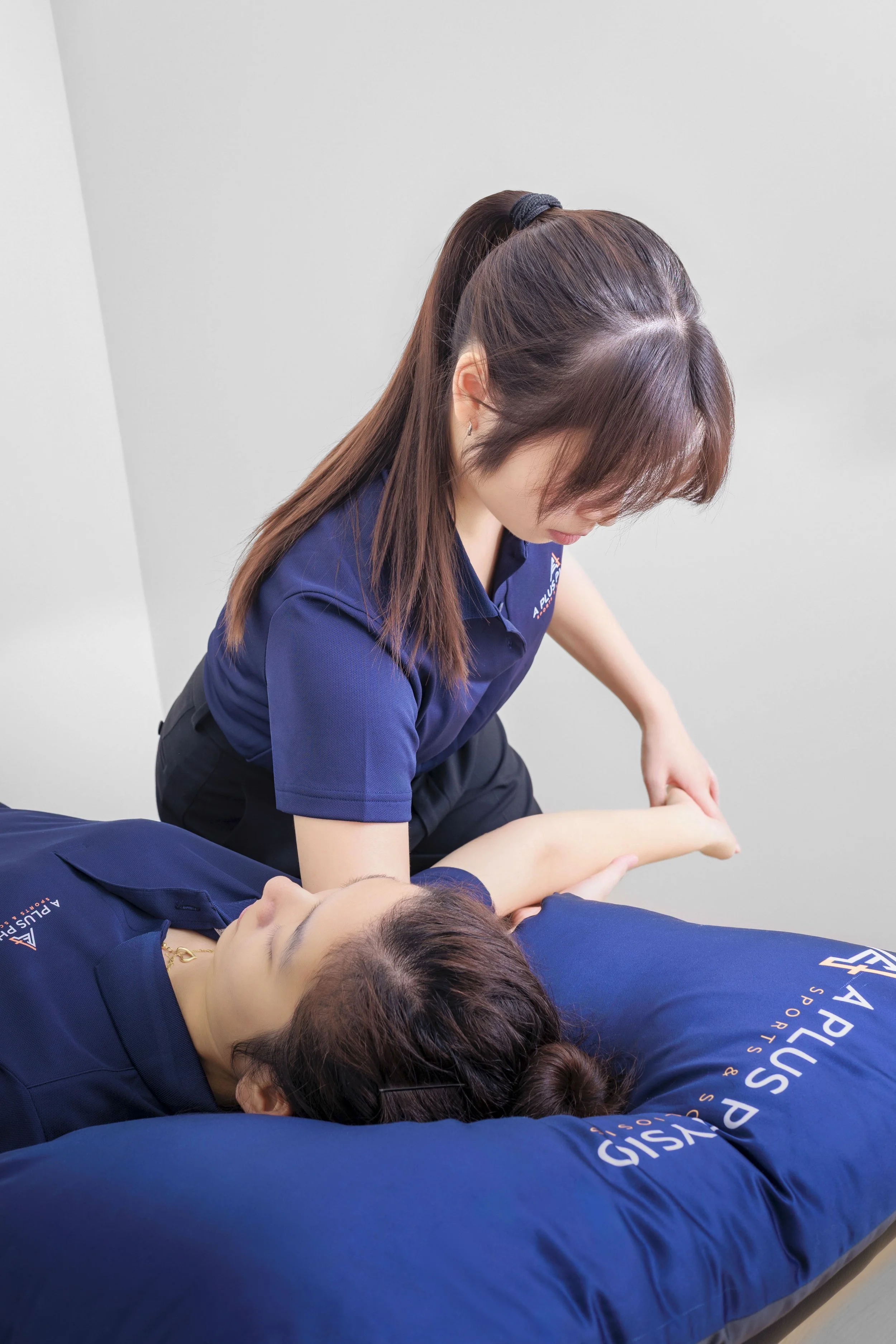
Let's get your wrist and elbow moving again.
Wrist and elbow pain can make it difficult to work, exercise, or manage everyday tasks without discomfort.
Whether it's caused by repetitive movements, overuse, tendon irritation or a sporting injury, these conditions can gradually reduce your strength, flexibility and confidence using your arm.
Our physiotherapists carry out a thorough assessment to understand what's driving your symptoms before developing a treatment plan that supports your recovery and helps you move more comfortably.
The sooner wrist or elbow pain is addressed, the easier it can be to manage. Book an appointment today and take the first step towards lasting relief and better function.
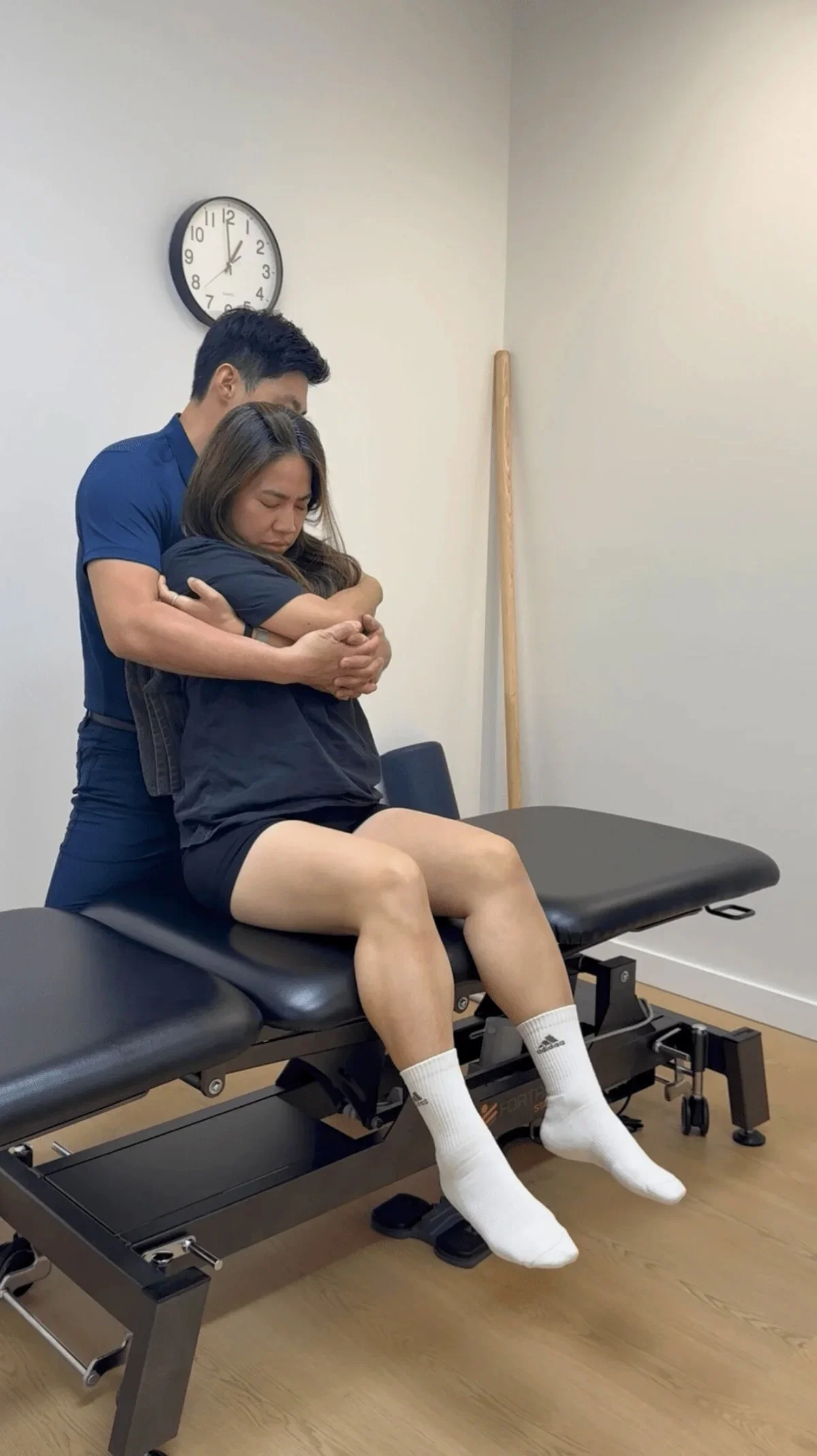
Wrist & elbow pain explained.
Wrist and elbow pain can make everyday activities like lifting, gripping, or typing more difficult. It's often caused by tendon injuries, repetitive strain, nerve irritation, or overuse. Here are the essentials to know:
-
Pain in the wrist and elbow can develop from everyday activities, repetitive movements or sudden injuries. Common causes include:
Repetitive strain
Tendon overload
Poor workstation setup
Heavy lifting
Sporting activities
Falls or direct impact
Nerve compression
Joint inflammation
Muscle weakness
-
Symptoms vary depending on the underlying condition but may include:
Pain when gripping or lifting
Weak grip strength
Stiffness in the wrist or elbow
Swelling around the joint
Pins and needles in the hand or fingers
Difficulty twisting or rotating the forearm
Tenderness around the elbow or wrist
Pain during repetitive tasks
Reduced arm function
-
Wrist and elbow pain is often associated with conditions such as:
Tennis elbow
Golfer's elbow
Carpal tunnel syndrome
De Quervain's tenosynovitis
Wrist sprains
Tendinopathy
Cubital tunnel syndrome
Arthritis
Repetitive strain injuries (RSI)
-
Treatment begins with a detailed assessment of your symptoms, movement and the activities that may be contributing to your pain.
Depending on your condition, your physiotherapist may use hands-on techniques, progressive strengthening exercises, mobility training and activity modification to reduce irritation and improve function. We also provide practical advice to help you manage symptoms and reduce the risk of the problem returning.
Our aim is to restore comfortable movement, improve strength and help you get back to work, sport and everyday activities with confidence.

Your recovery starts here.
We don't just look at the sore spot on your wrist or elbow; we assess how your whole arm and shoulder move together, because tension or weakness upstream often changes how load travels through the forearm.
Your physiotherapist will check joint mobility, grip strength, tendon load tolerance, and movement patterns to work out what's actually driving your symptoms.
Treatment might involve manual therapy, taping, dry needling, and a graded loading program to rebuild strength without aggravating the tissue.
We'll also talk through workstation setup, tool use, or training load if that's part of the picture. The aim is a plan that gets you back to full function, not just temporary relief.
Elbow & Wrist Physio FAQ
-
Recurring wrist or elbow pain is often a sign that the underlying cause hasn't been fully addressed. Repetitive movements, poor technique, muscle weakness or returning to activity too soon can all contribute to ongoing symptoms. Physiotherapy focuses on identifying and correcting these contributing factors.
-
Yes. Physiotherapy is an effective treatment for both tennis elbow and golfer's elbow. Treatment aims to reduce tendon irritation, improve strength, restore function and help you return to work, sport or everyday activities with less pain.
-
Pins and needles or numbness can sometimes occur when nerves in the wrist, elbow or neck become irritated or compressed. A physiotherapy assessment can help determine where your symptoms are coming from and whether further investigation is needed.
-
In many cases, staying active is encouraged, but certain movements may need to be modified while your injury heals. Your physiotherapist can recommend safe exercises and guide you on when it's appropriate to return to your usual training or sport.
-
Improving strength, flexibility and movement patterns can help reduce the risk of future injuries. Simple changes to your workstation, sporting technique or lifting habits may also help minimise unnecessary strain on your joints and tendons.
-
If your pain began after a fall or direct impact, it's important to have it assessed to rule out more serious injuries such as fractures or ligament damage. Once serious injury has been excluded, physiotherapy can help reduce pain, restore movement and support your recovery.