Rated 5.0 by 100+ locals.Physio for Headaches & Migraines
Tired of headaches disrupting your day? A Plus Physiotherapy offers targeted physio for headaches and migraines, addressing the root causes to reduce frequency, ease pain, and help you feel pain-free again.
Let’s fix your headaches & migraines.
Whether they're triggered by neck tension, poor posture, stress, or joint dysfunction, headaches and migraines can make it difficult to focus, work, and enjoy everyday life.
The good news? Many headaches respond well to the right treatment. At A Plus Physio, we help people experiencing everything from occasional tension headaches to recurring migraines and neck-related headaches.
Our approach focuses on identifying what's contributing to your symptoms, improving movement and function, and addressing the physical factors that may be driving your headaches.
If you're tired of headaches disrupting your day, book an appointment today. We're here to help you find relief and get back to feeling your best.
Headaches & migraines explained.
Headaches and migraines can develop for a range of reasons, including muscle tension, neck dysfunction, poor posture, stress, and other physical triggers. Here are the essentials to know:
-
Headaches and migraines can be triggered by a combination of physical, lifestyle, and environmental factors. Common causes include:
Neck joint dysfunction
Muscle tension in the neck and shoulders
Poor posture
Stress and fatigue
Prolonged desk or screen work
Sleep disturbances
-
Symptoms can vary depending on the type of headache, but may include:
Pain or pressure in the head
Tightness around the forehead or temples
Pain at the base of the skull
Sensitivity to light or noise
Nausea or dizziness
Neck stiffness or discomfort
-
Several musculoskeletal and lifestyle factors may increase the likelihood of recurring headaches, including:
Tension headaches
Cervicogenic (neck-related) headaches
Migraines
Postural strain
Jaw tension and dysfunction
Chronic neck pain
-
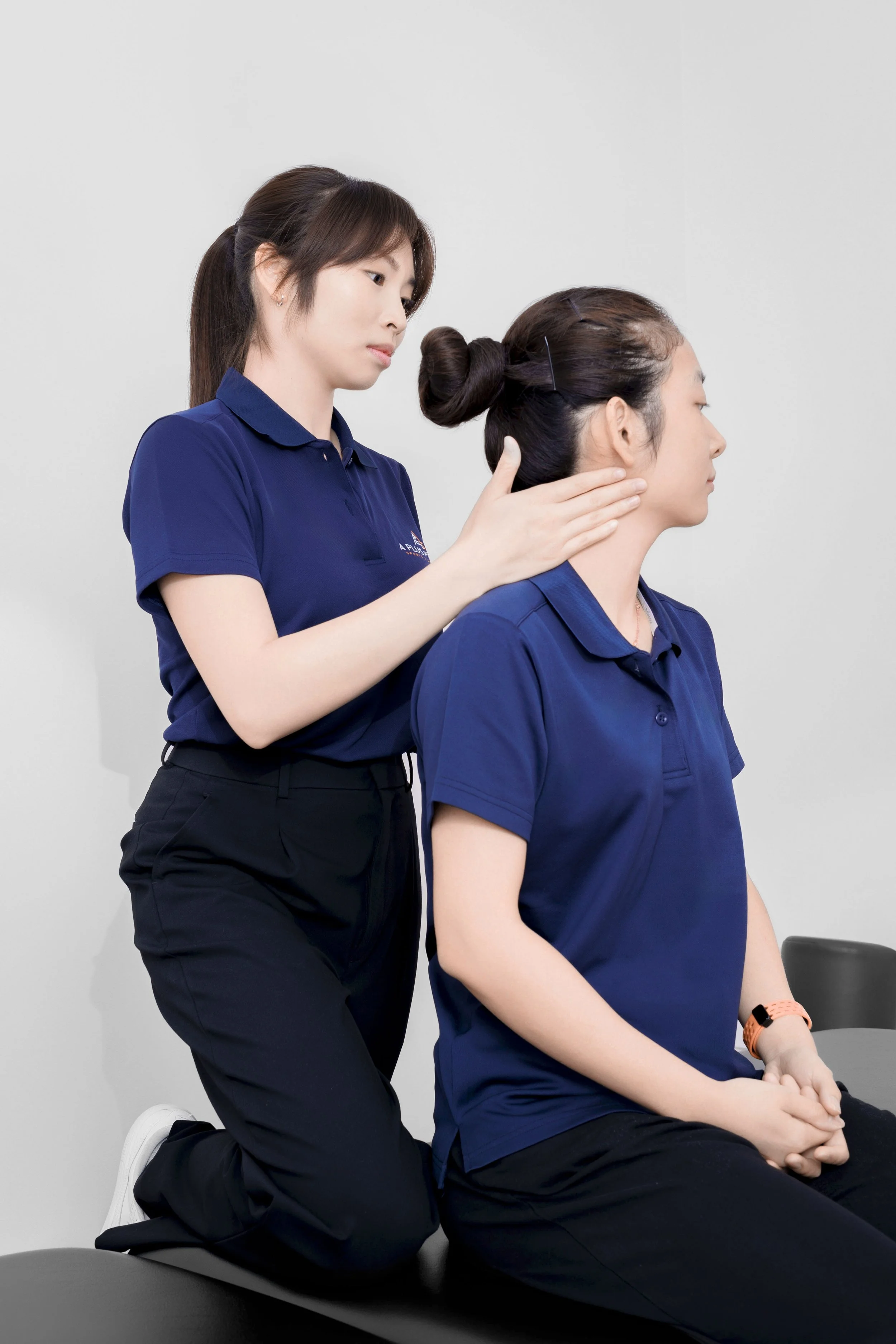
Your physiotherapist will assess factors that may be contributing to your headaches, including neck mobility, posture, muscle tension, and movement patterns.
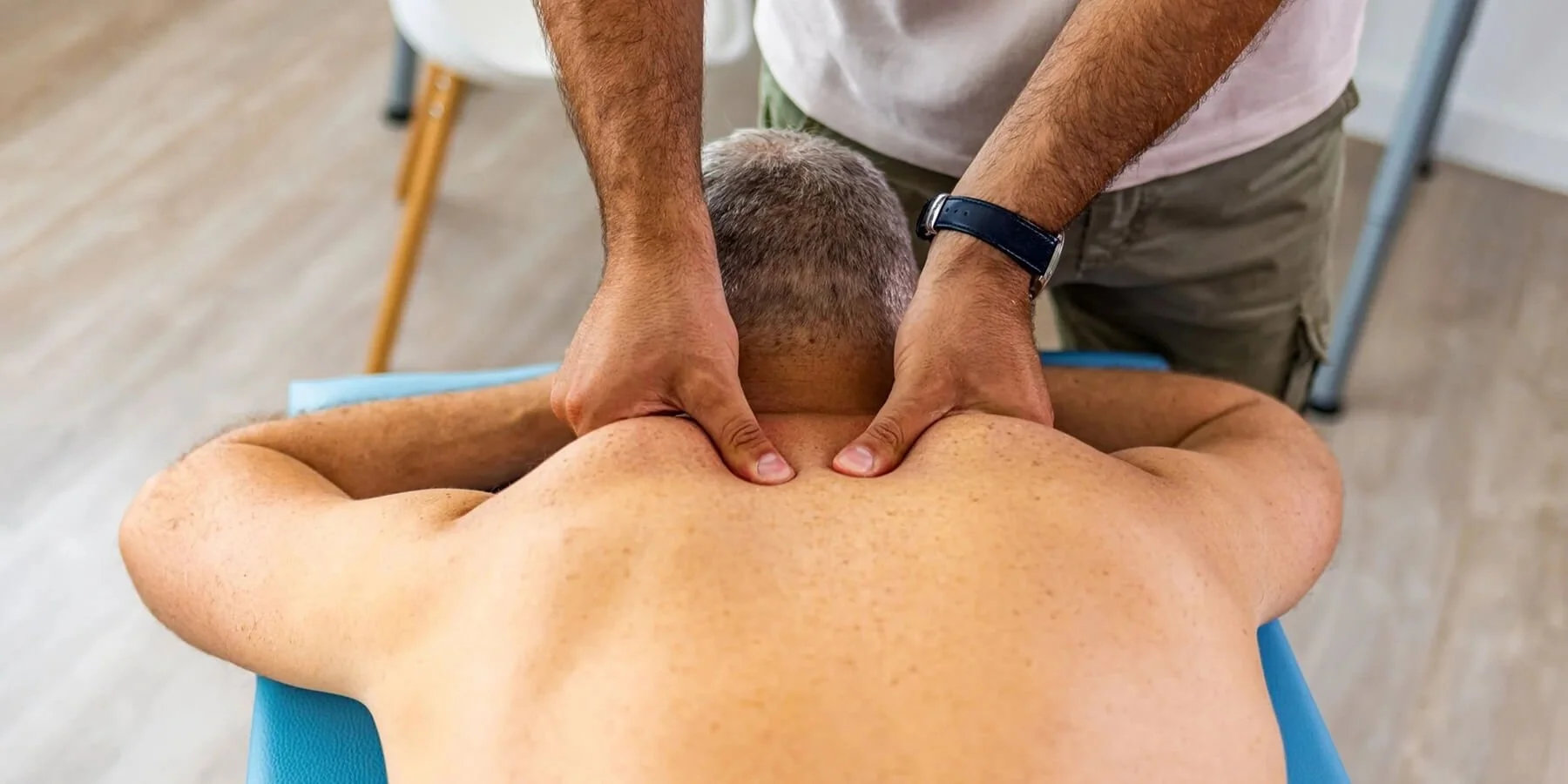
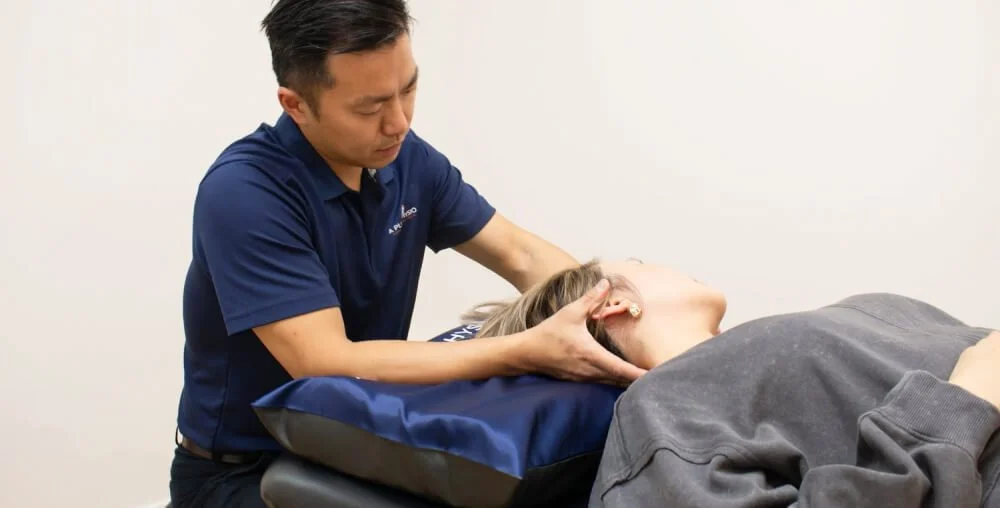
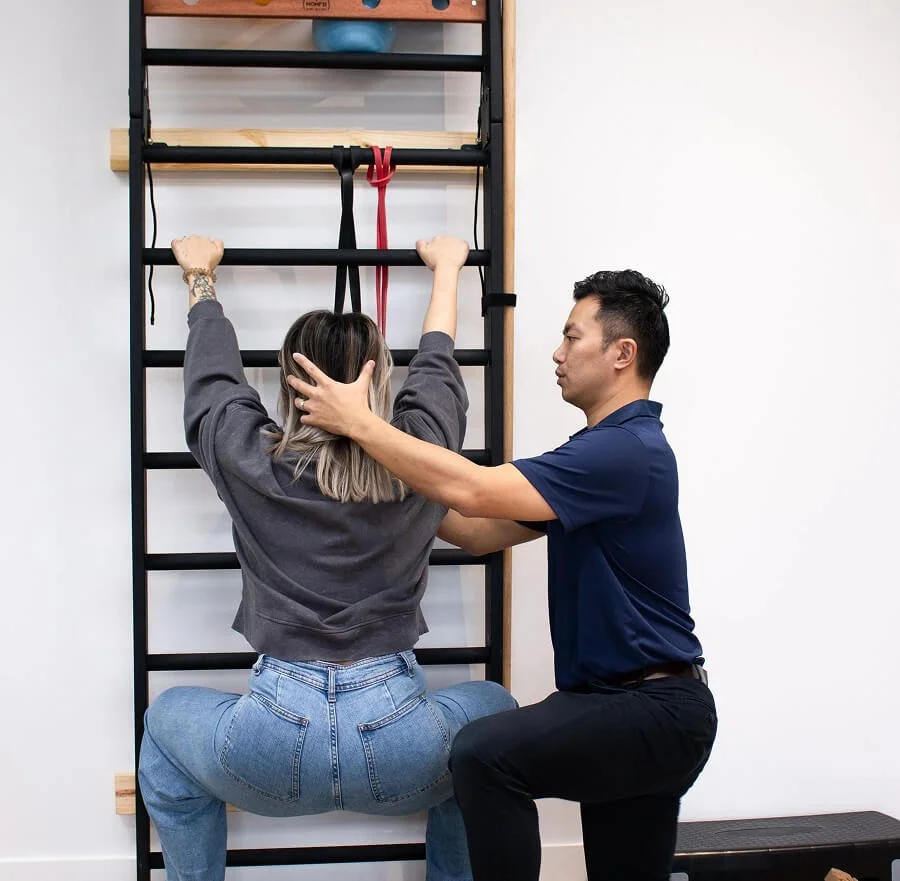
Treatment may include hands-on therapy, targeted exercises, posture advice, and strategies to reduce physical stress on the neck and upper body. Where appropriate, we'll also provide guidance to help manage triggers and reduce the frequency of flare-ups.
The goal is to improve movement, reduce headache symptoms, and help you return to daily activities with greater comfort and confidence.

Your recovery is our priority.
At A Plus Physiotherapy, we take a practical, hands-on approach to treating headaches and migraines. Many headache conditions are linked to issues in the neck, upper back, and surrounding muscles that can contribute to ongoing symptoms.
Our physiotherapists assess your posture, neck mobility, and muscle function to identify what's driving your headaches. Treatment may include manual therapy, soft tissue techniques, dry needling, and tailored exercises to improve movement and reduce tension.
We also provide advice on posture, work habits, sleep position, and daily movement to help reduce flare-ups. Our goal is to create a personalised treatment plan that delivers lasting relief and better day-to-day function.
Physio for Headaches & Migraines FAQ
-
Yes, physiotherapy can make a real difference for many people with migraines, particularly when the neck and upper spine are contributing to symptoms. Research supports manual therapy and specific exercise programs as effective tools for reducing how often migraines occur and how severe they feel.
It works best when treatment is tailored to your specific triggers and physical findings rather than a one-size-fits-all approach.
-
A cervicogenic headache originates from structures in the neck, such as joints, muscles, or nerves, and typically causes pain that starts at the base of the skull and spreads forward. Migraines involve changes in the brain and nervous system and can include nausea, light sensitivity, and visual disturbances.
The two can overlap, and a physiotherapist is well-placed to assess whether your neck is playing a role in either type.
-
Many people notice a reduction in headache intensity or frequency within the first few sessions, though this varies depending on how long you've had the problem and what's driving it. Chronic or complex cases may take longer to respond, but most patients see meaningful progress within four to six weeks of consistent treatment.
-
Yes, home exercises are usually a key part of your recovery plan. Your physiotherapist will prescribe specific stretches and strengthening movements that target the muscles and joints contributing to your headaches. These exercises are typically simple, don't take long, and are designed to fit into your daily routine without fuss.
-
Absolutely. Physiotherapy is a safe, non-invasive approach that works alongside any medication your GP or neurologist has prescribed. Your physio will take a full health history at your first appointment and tailor treatment to suit your situation, including any medical conditions or medications you're managing.
-
Poor posture, especially prolonged forward head posture from desk work or phone use, places significant strain on the muscles and joints of the neck and upper back. Over time, this can irritate nerves and restrict joint movement in ways that directly contribute to tension headaches and cervicogenic headaches.
Addressing posture is often one of the most effective long-term strategies for reducing headache recurrence.