Rated 5.0 by 100+ locals.Hip Physio: Get Back to Your Best
Hip pain can make walking, exercising, sitting, and even getting comfortable at night difficult. Our physiotherapists provide personalised treatment to help improve hip function and get you moving more comfortably.
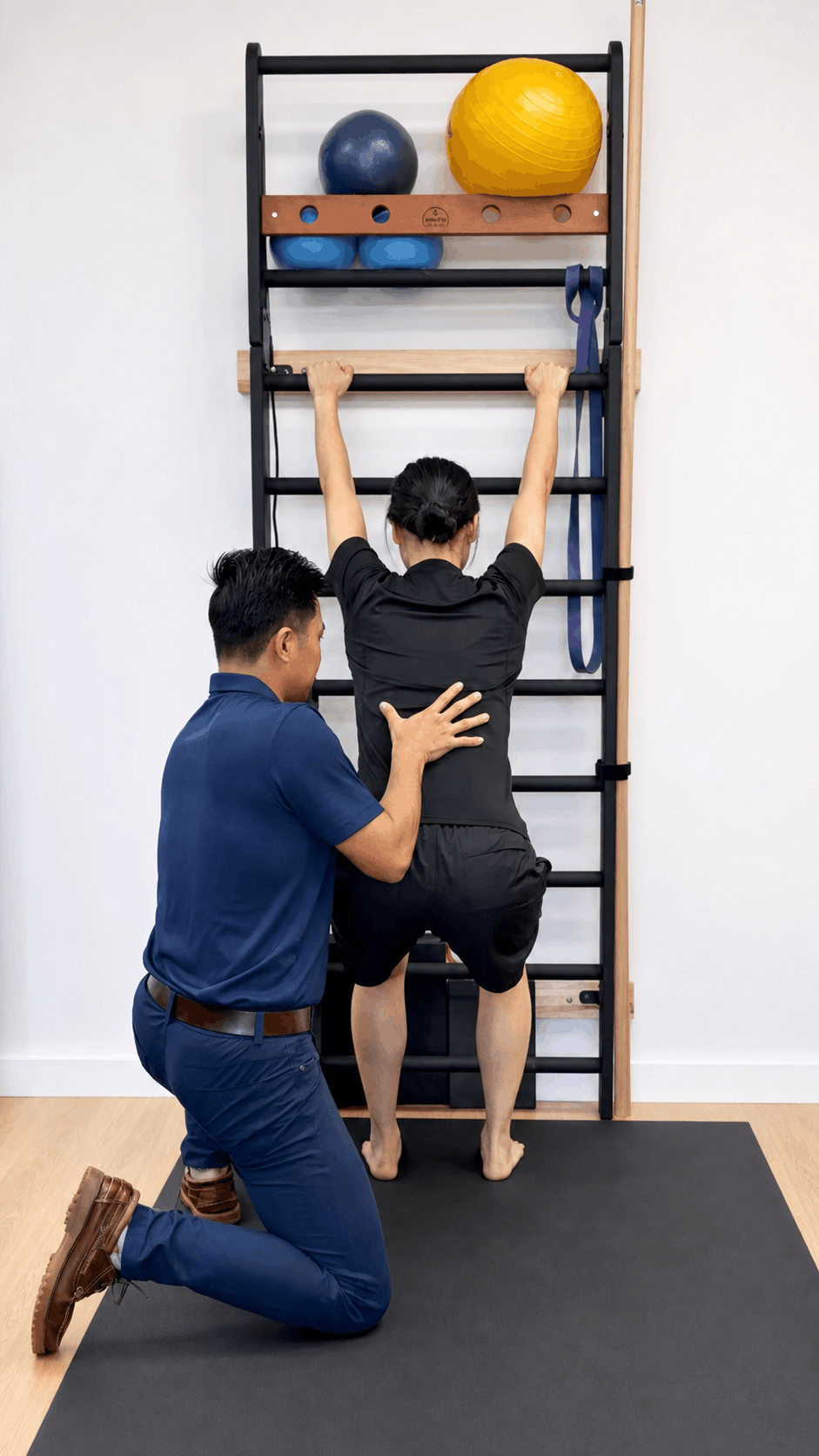
Hip pain doesn’t have to slow you down.
Your hips play a big part in almost every step you take, so when they’re painful or stiff, you’ll often feel the impact throughout your day.
Hip pain can develop gradually or appear after an injury, a change in activity, or increased training. You might notice an ache around the hip or groin, stiffness after sitting, or discomfort when walking, running, climbing stairs, or lying on your side.
Physiotherapy looks beyond where it hurts. We assess your hip strength, mobility, and overall movement to understand what may be contributing to the problem.
From there, treatment can help settle your symptoms, rebuild strength, and make everyday movement feel easier again.
Ready to get your hip moving comfortably? Book your appointment today.

Hip pain explained.
Hip pain can affect people of all ages and activity levels. Understanding what’s behind your symptoms is an important first step towards choosing the right treatment.
-
There are many reasons your hip may become painful or stiff. Common contributors include:
Muscle strains or overload
Tendon irritation
Hip joint stiffness
Osteoarthritis
Bursitis
Changes in training or activity levels
-
Symptoms can vary depending on which structures are involved and what’s contributing to the problem. You may experience:
Pain around the hip or groin
Discomfort on the outside of the hip
Stiffness after sitting or resting
Pain when walking or running
Reduced hip movement
Difficulty lying on the affected side
-
Physiotherapy can assist with a range of hip-related problems, including:
Gluteal tendinopathy
Hip osteoarthritis
Greater trochanteric pain syndrome
Hip flexor strains
Labral-related hip pain
Post-operative hip rehabilitation
-
Your physiotherapist will assess your hip mobility, strength, and movement patterns, while also looking at nearby areas such as your lower back, pelvis, and knees where relevant.
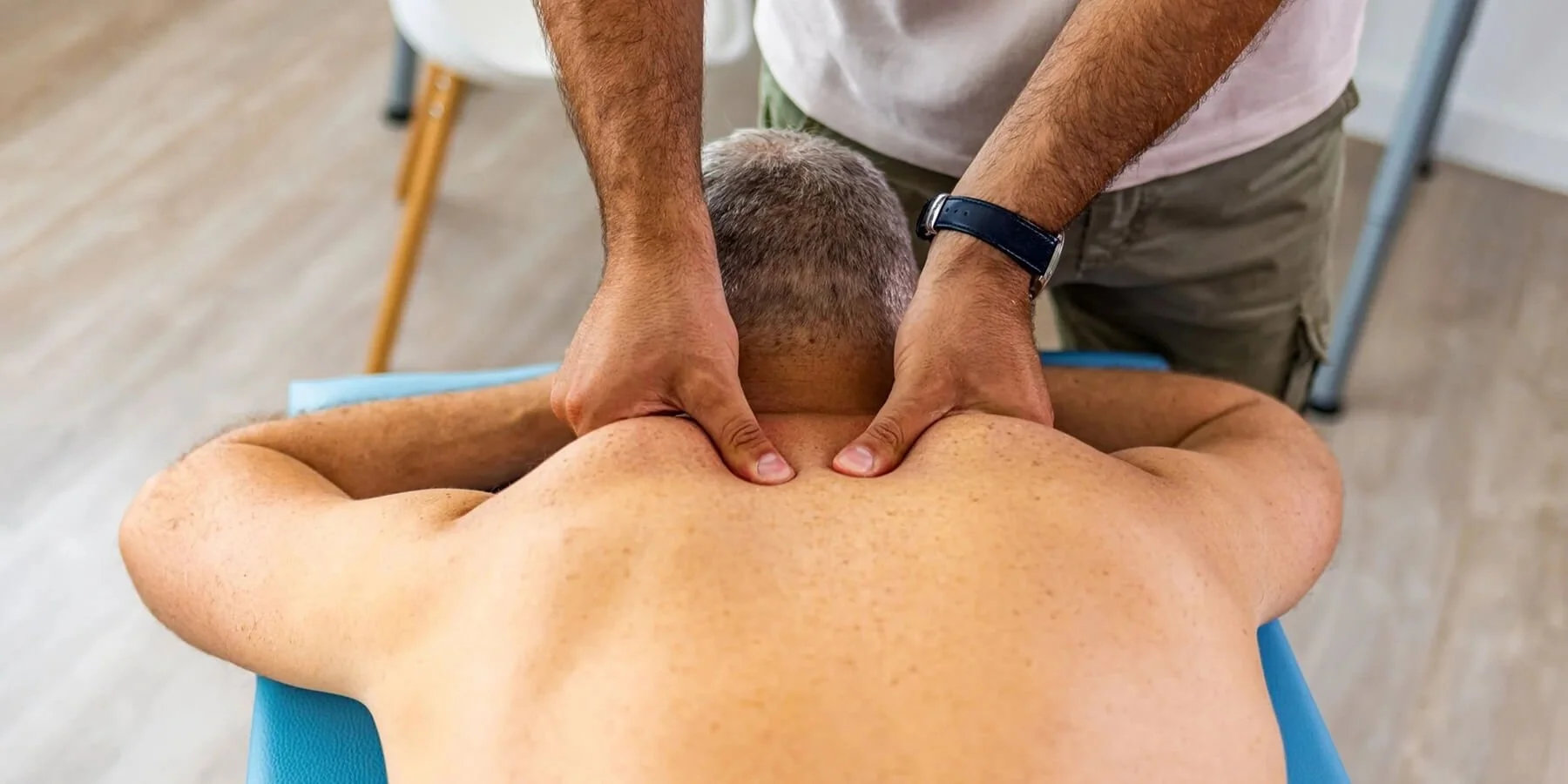
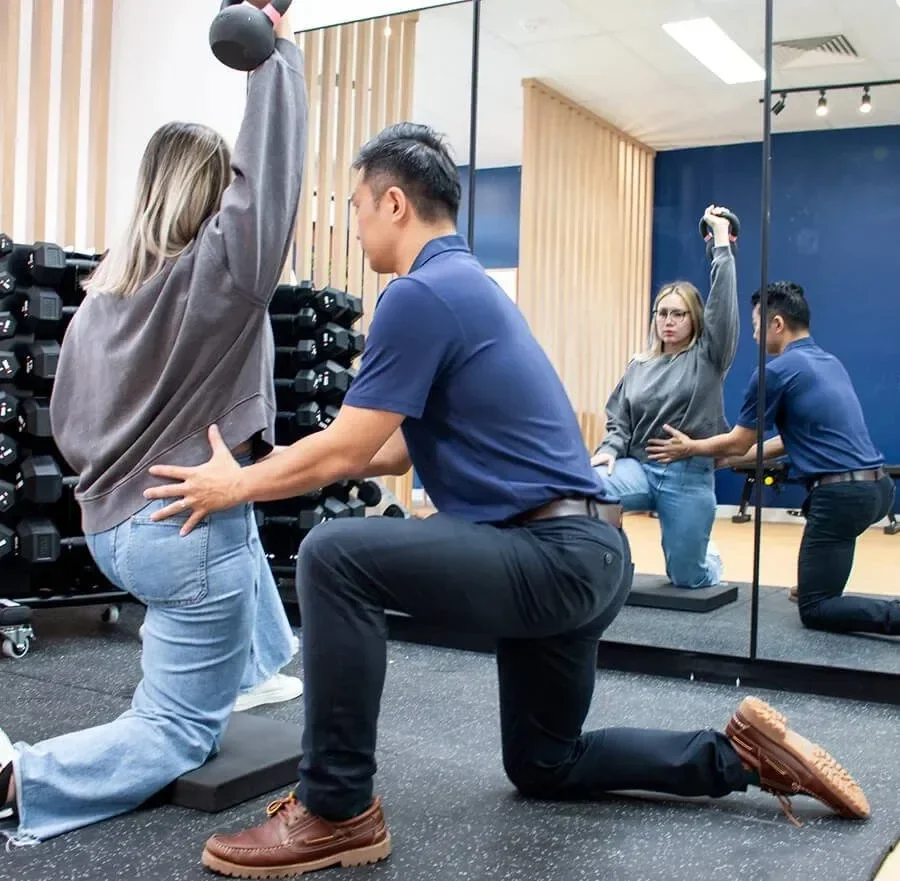
Treatment may include hands-on therapy, mobility exercises, targeted strengthening, and movement retraining to ease discomfort and improve the way your hip moves.
The aim is to build strength, restore comfortable movement, and give you practical strategies to manage your hip and stay active over the long term.

Your hip recovery matters to us.
Getting your hip moving comfortably again usually happens in stages. Early treatment may focus on settling irritation and improving mobility before gradually introducing exercises to rebuild strength and control.
Depending on what your hip needs, treatment may include hands-on physiotherapy, joint mobilisation, soft tissue therapy, dry needling, mobility work, and targeted strengthening exercises.
As you progress, we’ll gradually increase the demands on your hip and work on the muscles around your glutes, pelvis, and legs. This helps prepare you for everyday movement, exercise, work, or sport.
We’ll also keep track of how your hip responds along the way, adjusting your treatment and exercises as your movement, strength, and confidence improve.
Hip Physio FAQ
-
Pain when lying on your side can sometimes be linked to irritation of the tendons around the outside of your hip, particularly with conditions such as gluteal tendinopathy. Physiotherapy can help identify the cause and provide strategies to reduce pressure on sensitive tissues.
-
Recovery time depends on what’s causing your hip pain, how long you’ve had it, and your activity goals. Some people improve within a few sessions, while longer-standing conditions or post-surgery rehabilitation may require a more gradual program. Your physio will monitor your progress and adjust treatment as your hip improves.
-
Yes. Physiotherapy can help manage hip osteoarthritis through strengthening exercises, mobility work, and advice on staying active. While it can't reverse joint changes, it can improve function, reduce symptoms, and make everyday activities easier.
-
Yes, groin pain can sometimes originate from the hip joint itself. Conditions affecting the joint, surrounding muscles, or tendons may cause discomfort in this area. A physiotherapy assessment can help determine what's contributing to your symptoms.
-
It depends on the cause and severity of your symptoms. Gentle walking may be beneficial, but you might need to adjust your distance, pace, or frequency. Your physiotherapist can help you find an appropriate activity level without unnecessarily aggravating your hip.
-
Your first appointment will usually involve discussing your symptoms and how they affect your day, followed by an assessment of your hip mobility, strength, and movement. Your physiotherapist may also check your lower back, pelvis, or knees where relevant. From there, they’ll explain what they’ve found and recommend the next steps for treatment.